Arabic month Dhul Hijjah: The Sacred 12th Arabic Month of Pilgrimage, Sacrifice, and Multiplied Rewards
The final month of the Islamic lunar year stands apart from every other stretch of days in the Muslim calendar, and for believers worldwide, Dhul Hijjah holds a place unlike any other period of devotion. This is when pilgrims from every corner of the globe travel to Makkah for Hajj, when families gather to mark Eid al-Adha, and when even the smallest act of sincere worship is said to weigh heavier on the scales of reward. The sections below walk through what this sacred month is, when it begins in 2026, the history behind its name, and every practice that defines it.
Table of Contents
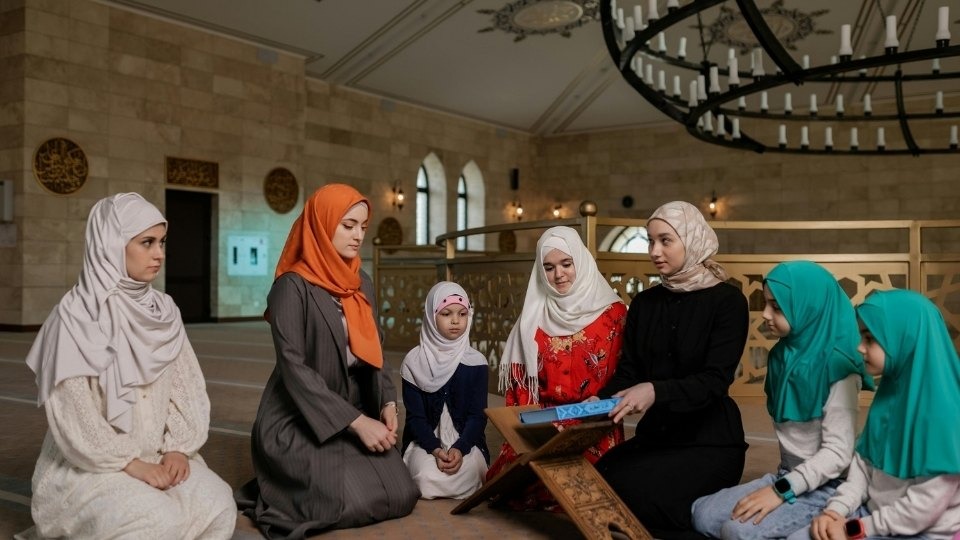
What is the Arabic month Dhul Hijjah?
The name refers to the twelfth and final month of the Hijri calendar. According to the encyclopedia entry on Wikipedia, the Arabic term translates to “Possessor of the Pilgrimage” and it is counted among the four sacred months in which warfare has long been forbidden Wikipedia.
Short answer: it is the 12th Arabic month that holds the rites of Hajj (8th–13th), the Day of Arafah (9th), and Eid al-Adha (10th), placing it among the holiest periods in the Islamic faith.
When Does the Month Begin in 2026?
For the year 1447 AH, the month is expected to begin on Monday, 18 May 2026, pending the official crescent sighting announcement from Saudi Arabia’s Supreme Court. Because the Hijri calendar follows lunar cycles, every start date depends on whether the new moon is visible after sunset on the 29th of the preceding month.
Here are the key dates at a glance:
| Key Event | Islamic Date | Gregorian Date (2026) |
| 1st of the Month | 1 | 18 May 2026 |
| Day of Tarwiyah | 8 | 25 May 2026 |
| Day of Arafah | 9 | 26 May 2026 |
| Eid al-Adha | 10 | 27 May 2026 |
| Days of Tashreeq | 11–13 | 28–30 May 2026 |
As confirmed by Children of Adam, final dates will be announced by Saudi authorities based on moon-sighting Children of Adam, so minor adjustments of a day are possible.
The Meaning Behind the Name
The word Dhul translates to “possessor of” and Hijjah refers to pilgrimage. Put together, the name describes “the one that carries the pilgrimage.” This title is not ornamental it points directly to the defining act of these thirty days, when millions of believers circle the Ka’bah in Makkah to fulfill one of the five pillars of Islam.
Even before the arrival of Islam, Arab tribes respected this time and observed a truce so that travelers could reach the sanctuary unharmed. Islam kept that older custom of peace, removed its idolatrous elements, and raised the pilgrimage into a profoundly spiritual act of obedience to Allah.
Why This Month Carries a Sacred Status
In Surah At-Tawbah (9:36), the Quran declares that Allah ordained twelve months in the year and set four of them apart as sacred. According to IslamicFinder, these four sacred months are Dhul-Qa’dah, Dhul Hijjah, Muharram, and Rajab IslamicFinder. Three of them fall back-to-back at the close of the Islamic year.
What sets this particular month apart is the overlap of two distinct layers of sanctity the protection of a sacred month combined with the presence of Hajj itself, a combination no other month in the year shares.
The Spiritual Power of the First Ten Days of Arabic month Dhul Hijjah
Classical Islamic scholars consider these opening ten days the most blessed stretch of the entire year. As reported in Sahih Bukhari (Hadith 969), the Prophet Muhammad (peace be upon him) stated that no days exist in which righteous deeds are more beloved to Allah than these ten Islamic Circle of North America not even striving in His path, unless a person offers up both life and wealth entirely.
The classical mufassir Ibn Kathir, in his tafsir of Surah Al-Fajr (89:1–2), explained that the “ten nights” Allah swears by refer directly to this period and divine oaths are never made by anything trivial.
Think of this stretch as the spiritual counterpart of the final ten nights of Ramadan. Both are peak seasons for worship, yet this one uniquely combines pilgrimage, fasting, and ritual sacrifice in a combination no other time offers.
The Day of Arafah: The 9th Day
The ninth is widely regarded as the single greatest day in the Muslim year. Pilgrims stand on the plain of Arafat near Makkah from midday until sunset, raising their hands in continuous supplication, while believers elsewhere fast, pray, and reflect.
As noted by Islamic Relief UK, fasting on Arafah expiates the sins of the past year and the year to come Islamic Relief UK, a reward recorded in Sahih Muslim and available only once each year. In 2026, this day falls on Tuesday, 26 May.
The supplications made during Arafah are also described by the Prophet (peace be upon him) as the finest of all duas, based on a narration graded hasan by Imam Tirmidhi.
Eid al-Adha and the Days of Tashreeq
Eid al-Adha, the Festival of Sacrifice, begins on the tenth and continues until the thirteenth. It commemorates the moment Prophet Ibrahim showed complete willingness to sacrifice his son in obedience to divine command, only for a ram to be sent as a replacement. The account is preserved in Surah As-Saffat (37:102–107).
On Eid day, Muslims gather for the congregational Eid prayer, wear their finest clothing, and perform Qurbani the ritual slaughter of a permissible animal such as a sheep, goat, cow, or camel. The meat is conventionally divided into three portions: one for the household, one for relatives and friends, and one for those in need.
The three following days (11th–13th) are known as the Days of Tashreeq, marked by feasting, remembrance of Allah, and continued recitation of Takbeer.
The Hajj Rituals in Brief
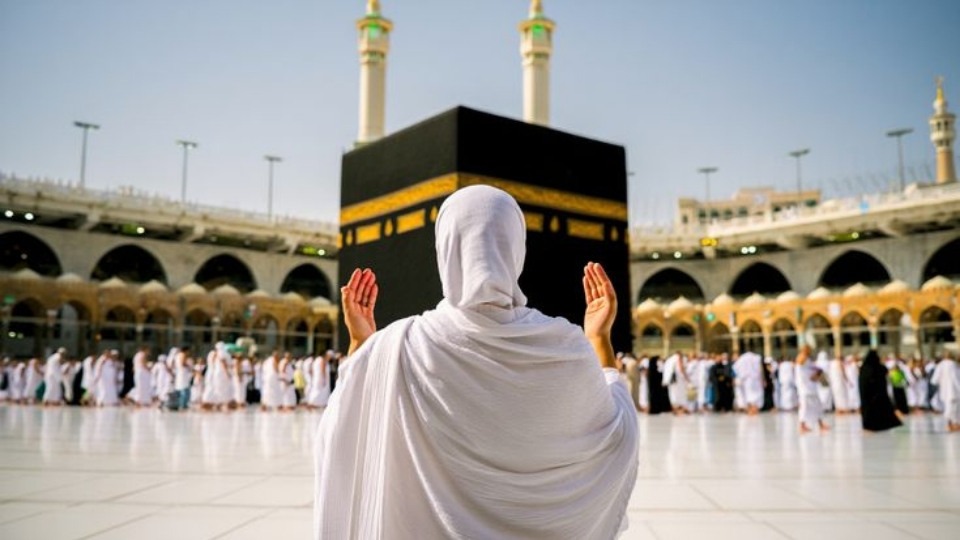
Hajj is the fifth pillar of Islam and the spiritual centerpiece of this month. The rites begin on the 8th and progress through several stages across five to six days.
On the 8th (Yawm al-Tarwiyah), pilgrims enter the state of Ihram and travel to Mina for a night of prayer. On the 9th, they move to the plain of Arafat for the standing ritual (Wuquf), followed by an overnight stay at Muzdalifah. On the 10th, they stone the Jamarat al-Aqabah, offer their Qurbani, shave or trim the hair, and perform Tawaf al-Ifadah around the Ka’bah. The remaining Tashreeq days involve stoning all three Jamarat pillars before the farewell Tawaf.
Qurbani: Who, What, and How
Qurbani is considered wajib (obligatory) by the Hanafi school for every financially capable adult Muslim, and a strongly emphasised Sunnah (sunnah mu’akkadah) by the Shafi’i, Maliki, and Hanbali schools.
Animals eligible for sacrifice must meet minimum age requirements: sheep and goats must be at least one year old, cattle at least two, and camels at least five. The slaughter must take place after the Eid prayer on the 10th and before sunset on the 13th.
According to IslamQA, those who intend to offer a sacrifice should refrain from cutting their hair and clipping their nails from the 1st of the month until the sacrifice is completed Islam Question & Answer, following a Sunnah mentioned by the Prophet (peace be upon him).
Takbeer at-Tashreeq: Timing and Wording
From the Fajr prayer of the 9th until the Asr prayer of the 13th, it is a confirmed Sunnah to recite Takbeer at-Tashreeq aloud after every obligatory prayer. The widely accepted wording, reported from the companion Abdullah ibn Mas’ud, is:
Allahu Akbar, Allahu Akbar, La ilaha illa Allah, wa Allahu Akbar, Allahu Akbar wa Lillahi-l-hamd.
Men recite it audibly and women quietly in most scholarly opinions. Although this is one of the most visible living traditions of the month, many Muslim communities neglect it reviving the practice carries its own reward, as the Prophet (peace be upon him) linked revived Sunnah to continuous reward.
Recommended Deeds During Arabic month Dhul Hijjah
Short answer: fasting, takbeer, charity, Quran recitation, and Qurbani lead the list of encouraged actions.
The acts scholars across the four Sunni schools of jurisprudence broadly agree on include:
- Fasting the first nine days, with particular emphasis on the Day of Arafah
- Reciting Takbeer, Tahmeed, and Tahleel often throughout the day
- Performing Hajj, if financially and physically capable
- Giving Sadaqah and Zakat while rewards are multiplied
- Offering Qurbani on or after the 10th
- Avoiding haircuts and nail clipping from the 1st until sacrifice (for those giving Qurbani)
- Seeking sincere repentance and reading Quran daily
Practical Tips for Non-Pilgrims
Most Muslims will not physically be at Hajj this year, and that is entirely normal. The rewards of this month are accessible from anywhere in the world. Start by fasting as many of the first nine days as your health and schedule allow even three or four has spiritual weight.
Keep a small dhikr counter on you for takbeer throughout the day. Set a realistic Quran goal, even if it is half a page after each prayer. Plan your charity ahead of time so it is spread across the ten days rather than concentrated in one. And mark the Day of Arafah as a personal spiritual retreat clear your schedule, fast, and spend the final hours before sunset in focused supplication.
Conclusion
The Arabic month Dhul Hijjah is far more than the closing chapter of the Islamic year. It is a concentrated season of mercy, pilgrimage, and community, a period in which even small, sincere actions carry weight beyond their outward size. Whether you are traveling to Makkah, fasting at home, offering Qurbani, or sitting quietly in remembrance of Allah, every intention counts for more during these ten days than on any ordinary day.
Mark Monday, 18 May 2026 on your calendar, approach the month with the same seriousness you bring to the final nights of Ramadan, and plan your worship in advance rather than leaving it to improvisation.
If this guide helped clarify the month for you, please share it with someone preparing for Hajj or Qurbani this year, and leave a comment below telling us how you plan to spend your ten days.
Why is this month considered so important in Islam?
It contains Hajj, the Day of Arafah, and Eid al-Adha, and is counted among the four sacred months named in the Quran. Righteous deeds performed during its first ten days are believed to be multiplied beyond the standard reward of ordinary days.
What are the best deeds to perform in the first ten days of arabic month Dhul Hijjah?
The most encouraged acts are fasting, reciting takbeer, giving charity, reading the Quran, and performing Qurbani. Classical scholars describe these ten days as the most beloved to Allah in the entire year, as recorded in Sahih Bukhari.
When does the month start in 2026?
The 1447 AH date is expected to begin on Monday, 18 May 2026, with Eid al-Adha falling on Wednesday, 27 May. Final confirmation always depends on the sighting of the crescent moon by Saudi authorities.
Is fasting compulsory during these ten days?
No, fasting is highly recommended (Sunnah) but not obligatory. Fasting on the Day of Arafah alone is reported in Sahih Muslim to erase two full years of minor sins for non-pilgrims.
Can I fast on Eid al-Adha?
No, fasting on the 10th is forbidden in Islamic law. That day is reserved exclusively for the Eid prayer, the Qurbani, and celebration with family and community.
What is Qurbani and who must offer it?
Qurbani is the ritual animal sacrifice performed between the 10th and 13th. It is considered obligatory in the Hanafi school for every financially capable Muslim adult, and a strong Sunnah in the Shafi’i, Maliki, and Hanbali schools.