

Daily Adhkar for Protection: Authentic Duas from the Quran and Sunnah
For Muslims navigating a noisy, distracted world, daily adhkar for protection offer a Sunnah-rooted shield that has guided believers for more than fourteen centuries. These short remembrances taught directly by Prophet Muhammad ﷺ invoke Allah’s care over the heart, body, home, and family.
According to the Pew Research Center, Muslims rank among the most religiously committed populations globally, with repetitive remembrance practices forming a central part of daily life.
This guide has been reviewed against authentic Hadith collections on Sunnah.com, the standard digital reference maintained in partnership with the Muslim academic community.
Table of Contents

What Dhikr Actually Means in Islam
The Arabic word dhikr translates as “remembrance” and refers to glorifying Allah through prescribed phrases, invocations, and Quranic recitations. Surah Ar-Ra’d (13:28) reminds believers that hearts find true rest only in Allah’s remembrance.
Classical scholars such as Imam al-Nawawi compiled these remembrances into accessible manuals most notably Al-Adhkar, still cited globally. Contemporary researchers at the Yaqeen Institute for Islamic Research describe dhikr as structured spiritual mindfulness with measurable psychological benefits.
Morning Adhkar: Spiritual Armor Until Sunset
The hours between Fajr and sunrise carry distinct blessing in Islamic tradition. Daily adhkar recited during this window are reported in authentic Hadith to secure the believer through the entire day.
Core morning recitations include:
- Ayat al-Kursi (Quran 2:255), recommended in Sahih al-Bukhari, Hadith 2311 for safeguarding until the next prayer.
- The three Mu’awwidhat Surah al-Ikhlas, al-Falaq, and an-Nas recited three times, as narrated in Jami’ at-Tirmidhi, Hadith 3575.
- Sayyid al-Istighfar, described in Sahih al-Bukhari, Hadith 6306 as the master supplication for seeking forgiveness.
- The phrase Bismillahilladhi la yadurru ma’asmihi shay’un, repeated three times for protection from sudden harm.
- Asking Allah for wellbeing in faith, worldly affairs, family, and wealth.
These recitations typically take 10 to 15 minutes and form the foundation of most classical compilations, including Hisnul Muslim by Shaykh Sa’id bin Ali al-Qahtani.
Evening Adhkar: Protection Through the Night
Evening supplications begin after Asr and extend until Maghrib, transitioning the believer into nighttime vulnerability. Daily adhkar for protection during evening hours mirror the morning set with minor adjustments, reinforcing spiritual defense against anxiety, nightmares, and unseen harm.
Reciting Ayat al-Kursi before sleep, as narrated in Sahih al-Bukhari, places a guardian from Allah over the believer until dawn. The last two verses of Surah al-Baqarah, according to Sahih Muslim, suffice the one who recites them nightly.
Protection From the Evil Eye, Jinn, and Envy
Specific daily adhkar address the evil eye (ayn), envy (hasad), and harm from jinn subjects treated extensively in classical scholarship.
The three Quls, recited three times morning and evening and softly blown over the body, form the Prophetic prescription against these threats. Both SeekersGuidance and IslamQA affirm this as the primary line of defense taught by Prophet Muhammad ﷺ.
Additional Prophetic phrases include A’udhu bi kalimatillahit-tammati min sharri ma khalaq a refuge against every created harm, recorded in Sahih Muslim. Classical scholar Ibn al-Qayyim, in his work Zad al-Ma’ad, lists these as essential daily shields for any believer.
Adhkar for the Home, Travel, and Family
Topical completeness matters in any Islamic protection routine. The Prophet ﷺ also taught specific duas for entering and leaving the home, which invite angels and repel shayatin; for boarding a vehicle, as preserved in Sunan Abu Dawud; and for children, whom he supplicated over using the words U’idhukuma bi kalimatillahit-tammah. Contemporary Islamic parenting resources continue to recommend this practice for safeguarding young ones.
Building a Consistent Habit That Sticks
Occasional recitation delivers limited results; consistency is where daily adhkar for protection become transformative.
Research published in the Journal of Religion and Health (Springer) has associated repetitive religious remembrance with measurable reductions in stress markers and improvements in emotional regulation. Separately, peer-reviewed work on habit formation including studies summarized by Cambridge University Press confirms that anchoring a new behavior to an established cue such as Fajr prayer dramatically improves long-term adherence.
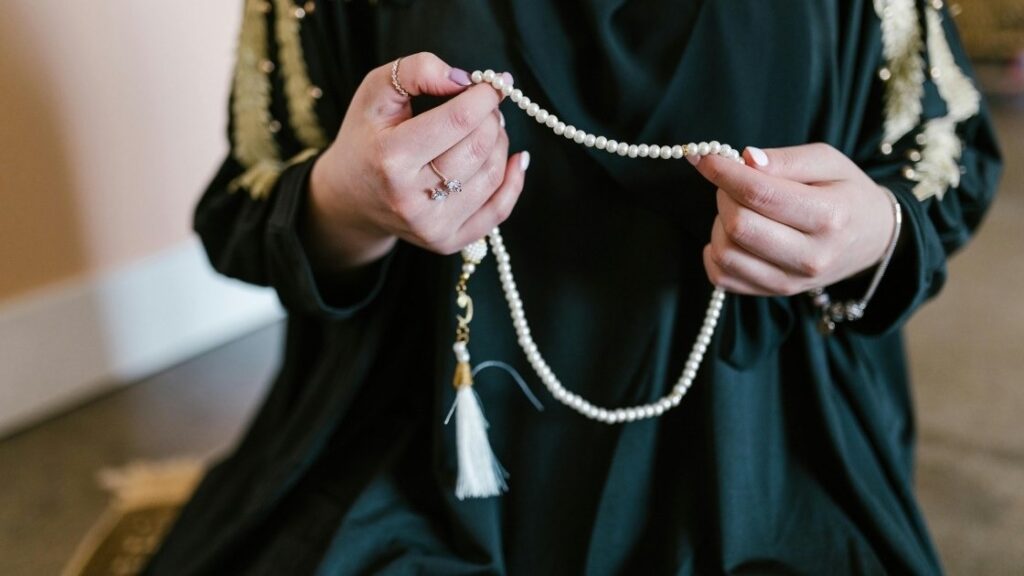
Many practitioners succeed by pairing adhkar with an existing routine, using a physical tasbih counter, or following digital tools like the Hisnul Muslim app, one of the most downloaded Islamic reference apps worldwide.
A Practitioner’s Perspective
After maintaining a morning and evening remembrance routine for several years and cross-checking this article against primary sources on Sunnah.com and scholarly commentary from Yaqeen Institute the consistent pattern is clear: the effects of daily adhkar for protection are cumulative, not instant.
The first week feels mechanical. By the second month, the practice begins reshaping emotional regulation, sleep quality, and a real sense of tawakkul (reliance on Allah) the same outcomes classical scholars and contemporary religious-psychology research independently describe.
Conclusion
Daily adhkar for protection remain one of the most accessible and evidence-supported spiritual practices in Islam, grounded equally in authentic Hadith and contemporary research on habit formation and religious psychology. With only 10 to 15 minutes of focused remembrance each morning and evening, any Muslim regardless of schedule, age, or life stage can build a Sunnah-based shield around their day.
Start tonight. Recite Ayat al-Kursi before sleeping, the three Quls after Fajr tomorrow, and commit to thirty consecutive days. Share this guide with someone who would benefit, and leave a comment below with the single dua you’ll prioritize this week.
1. What is the single most powerful dua for everyday protection?
Ayat al-Kursi is the most widely recommended single verse, based on the Hadith in Sahih al-Bukhari (2311). Both classical scholars such as Imam al-Nawawi and contemporary bodies like IslamQA highlight it as the foundation of Prophetic protection.
2. How many minutes should daily adhkar for protection take?
Most morning or evening sessions run between 10 and 15 minutes, according to the standard compilation Hisnul Muslim. Beginners can begin with three core duas in five minutes and expand gradually without losing the spiritual benefit.
3. Can women recite adhkar during menstruation?
Yes. The four major Sunni schools agree that women may recite dhikr, duas, and Prophetic remembrance during menstruation. Many avoid reciting lengthy Quranic passages out of scholarly caution, but short protective duas remain fully permitted.
4. Are these duas effective against the evil eye?
Yes. The three Mu’awwidhat Surah al-Ikhlas, al-Falaq, and an-Nas are specifically prescribed in authentic Hadith for protection against evil eye, envy, and sihr. The Prophet ﷺ personally recited them every night before sleep.
5. What if I forget my morning remembrance?
You can still recite the adhkar at any point before the day ends and receive their full spiritual benefit. According to contemporary fatwa platforms such as IslamQA, consistency outweighs exact timing.
6. At what age should children begin adhkar?
Islamic parenting resources suggest introducing simple protective duas by around age four, weaving them into bedtime and morning routines. This early repetition builds lifelong spiritual reflexes, echoing the Prophet’s method of teaching his own grandchildren.