The Sacred Arabic Month Dhul Hijjah: Complete Guide for Muslims
The Arabic month Dhul Hijjah holds extraordinary significance in the Islamic calendar as the twelfth and final month of the lunar year. This blessed period marks the time when millions of Muslims worldwide embark on Hajj, the sacred pilgrimage to Mecca that stands as one of Islam’s five fundamental pillars. Apart from the pilgrimage, this month holds the first ten days that Prophet Muhammad (PBUH) proclaimed as the most blessed days throughout the whole year.
During this sacred time, believers engage in increased worship, fasting, and remembrance of Allah. The month culminates in Eid al-Adha, the Festival of Sacrifice, commemorating Prophet Ibrahim’s unwavering devotion. This comprehensive guide explores the spiritual importance, key rituals, recommended practices, and profound blessings associated with this holy month in Islamic tradition.
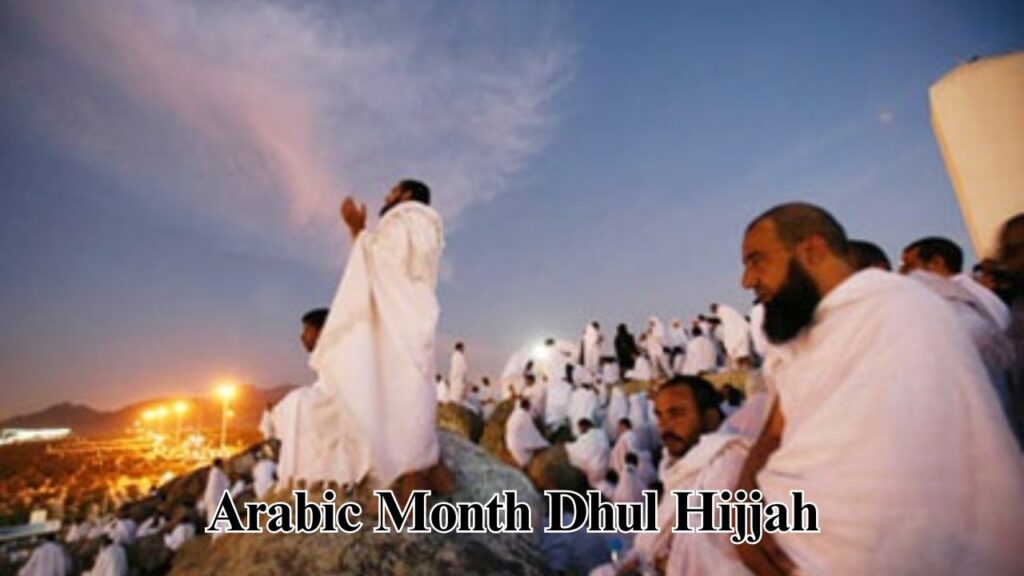
Definition and Overview of Dhul Hijjah
The Arabic month Dhul Hijjah represents the twelfth and final month of the Islamic lunar calendar. The name translates to “The Possessor of Pilgrimage” or “The Month of Pilgrimage” in Arabic, directly referencing its most significant event. This sacred period holds immense importance for the Muslim ummah worldwide, serving as a time of heightened spiritual devotion and worship.
The Arabic month Dhul Hijjah belongs to the four sacred months in Islam, alongside Muharram, Rajab, and Dhul Qadah. During these blessed months, warfare was traditionally forbidden to ensure pilgrims could safely travel to and from Mecca. The lunar nature of the Islamic calendar means this month migrates throughout the seasons each year, occurring approximately eleven days earlier annually compared to the Gregorian calendar.
Historical Background and Significance
The Legacy of Prophet Ibrahim
The profound significance of the Arabic month Dhul Hijjah traces back to Prophet Ibrahim’s unwavering obedience to Allah. The Quran recounts how Ibrahim demonstrated complete submission by willingly preparing to sacrifice his son Ismail upon divine command. Allah, pleased with this devotion, provided a ram as a substitute, an event Muslims commemorate through Qurbani during Eid al-Adha.
Important Historical Events
Throughout Islamic history, the Arabic month Dhul Hijjah witnessed several pivotal events. Hamza bin Abdul Muttalib, the beloved uncle of Prophet Muhammad (PBUH), accepted Islam during this month. Three days later, Umar ibn al-Khattab also embraced the faith. Most significantly, Prophet Muhammad (PBUH) delivered his farewell sermon during this blessed period, after which Allah revealed that He had perfected the religion of Islam.
The Blessed First Ten Days
The first ten days of the Arabic month Dhul Hijjah carry extraordinary virtue that surpasses all other days of the year. Prophet Muhammad (PBUH) declared in Sahih Bukhari that no days are more beloved to Allah for righteous deeds than these ten days. Remarkably, scholars consider these days even more virtuous than the days of Ramadan, though Ramadan’s nights remain superior due to Laylatul Qadr.
Recommended Acts During These Days
- Fasting the first nine days, especially the Day of Arafah, which expiates sins of the previous and coming year
- Increasing dhikr through recitation of takbeer, tahleel, and tahmeed throughout daily activities
- Reading and reflecting upon the Quran with greater frequency and depth
- Performing additional voluntary prayers beyond obligatory worship
- Giving generously in charity to those experiencing poverty and hardship
The Hajj Pilgrimage
Understanding the Fifth Pillar
The Arabic month Dhul Hijjah serves as the exclusive time for performing Hajj, one of Islam’s five fundamental pillars. This obligatory pilgrimage to Mecca is required of every Muslim who possesses the physical health and financial means to undertake the journey at least once during their lifetime. The pilgrimage officially begins on the eighth day and continues through the twelfth or thirteenth day of the month.
Key Rituals of Hajj
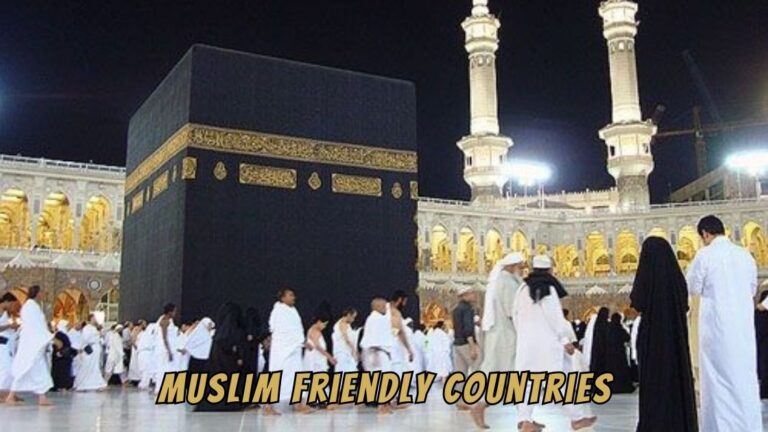
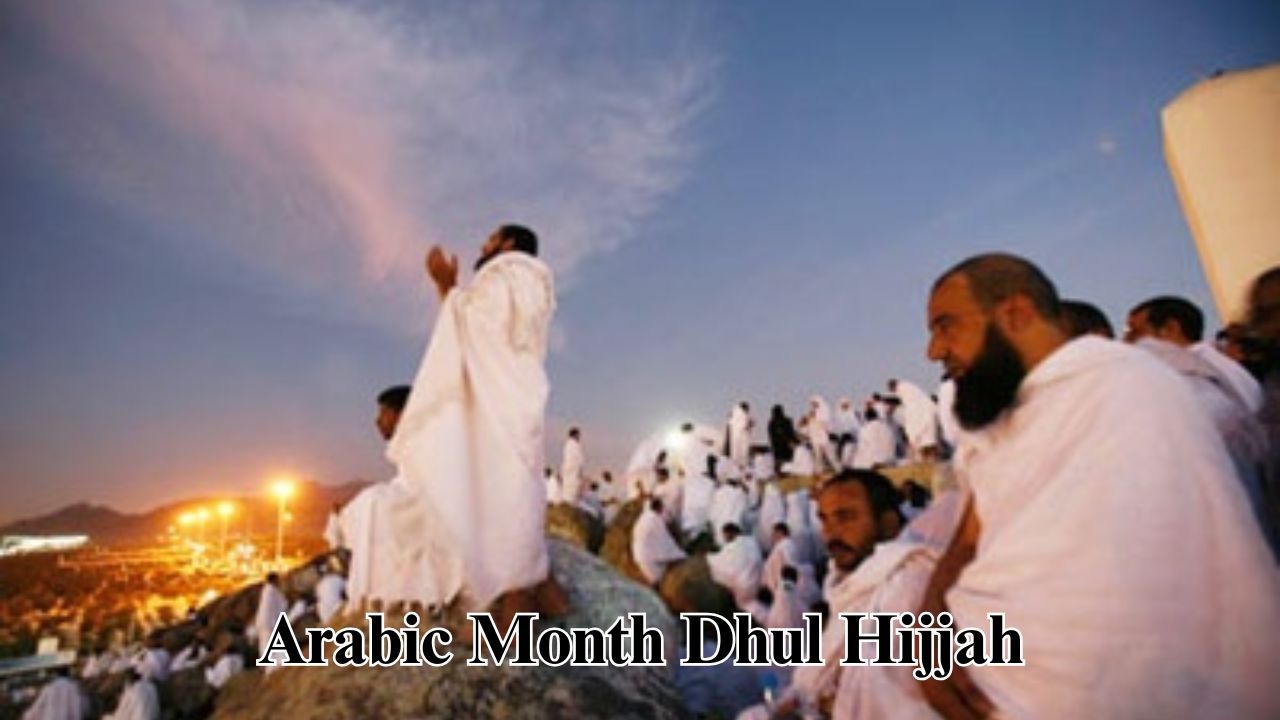
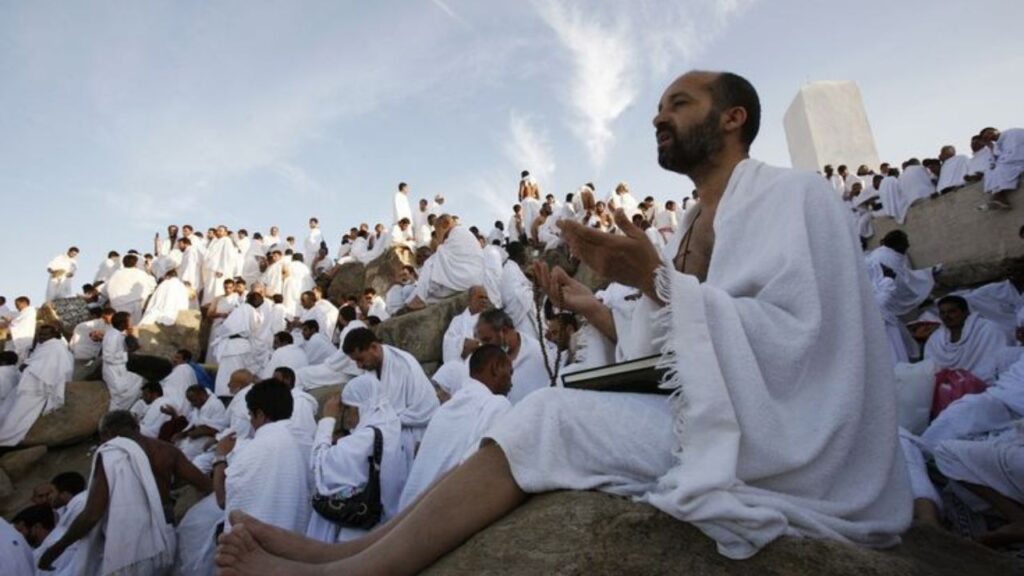
Pilgrims enter a state of Ihram, wearing simple white garments that symbolize equality before Allah. They perform Tawaf by circling the Kaaba seven times, followed by Sa’ee, walking between the hills of Safa and Marwah. The climax occurs on the ninth day when pilgrims gather on the plains of Arafat for intense supplication and remembrance.
The Day of Arafah
The ninth day of the Arabic month Dhul Hijjah represents the most important day of Hajj. Standing on the plain of Arafat constitutes the essence of the pilgrimage itself, as Prophet Muhammad (PBUH) stated that Hajj is Arafah. For Muslims not performing Hajj, fasting on this day carries immense reward, with the Prophet promising forgiveness for sins of two years.
Eid al-Adha and Qurbani
The Festival of Sacrifice
The tenth day marks the beginning of Eid al-Adha, the Festival of Sacrifice, which celebrates Ibrahim’s devotion. This joyous occasion continues for three days, bringing the Muslim community together in worship, celebration, and charity. The Arabic month Dhul Hijjah reaches its spiritual peak during this blessed festival.
The Obligation of Qurbani
Muslims who meet the financial threshold must perform Qurbani by sacrificing livestock. The meat is traditionally divided into three portions: one third for the family, one third for friends and relatives, and one third for those in need. This practice embodies the Islamic values of generosity, community, and care for the less fortunate.
Spiritual Benefits and Rewards
The Arabic month Dhul Hijjah offers believers an unparalleled opportunity to earn divine rewards and seek forgiveness. Every good deed performed during this period carries multiplied blessings. Whether through prayer, charity, fasting, or simple acts of kindness, Muslims can strengthen their connection with Allah and purify their souls during this magnificent time.
Conclusion
The Arabic month Dhul Hijjah represents a profound spiritual opportunity for Muslims worldwide to strengthen their connection with Allah. From the blessed first ten days to the sacred Hajj pilgrimage and joyous Eid al-Adha celebrations, this twelfth Islamic lunar month offers countless blessings and rewards. Whether performing pilgrimage in Mecca or observing worship at home through fasting, prayer, and charitable giving, believers can maximize this sacred period. Understanding the rituals, historical significance, and recommended practices of Dhul Hijjah enables Muslims to fully embrace its spiritual benefits and draw closer to their faith throughout this holy time.