Charity in Dhul Hijjah: A Complete Guide to Giving, Rewards, and Spiritual Impact in 2026
Charity in Dhul Hijjah stands apart from giving at any other point on the Islamic calendar. The Prophet Muhammad (peace be upon him) made this unmistakably clear when he said that righteous deeds performed during the first ten days of this sacred month are more beloved to Allah than deeds performed at any other time (Sahih al-Bukhari). For the estimated 1.9 billion Muslims worldwide, these ten days open a narrow but extraordinarily powerful window to earn multiplied blessings through Sadaqah, Zakat, Qurbani, and Sadaqah Jariyah.
This guide breaks down every dimension of Dhul Hijjah donations from Quranic evidence and prophetic traditions to practical daily giving strategies and verified charitable organisations so you can approach these blessed days with clarity and confidence.
Table of Contents
Why Does Charity Hold Extra Weight During Dhul Hijjah?
Dhul Hijjah is the twelfth and closing month of the Hijri calendar. Its first ten days are considered the holiest stretch of the entire Islamic year a status Allah Himself reinforces by swearing an oath by them in Surah Al-Fajr (89:1–2). Leading scholars of Quranic exegesis, including Ibn Kathir and Ibn Abbas (may Allah be pleased with him), confirm that this divine oath refers to the opening ten days of Dhul Hijjah (Islamic Relief UK).
Every good deed performed during this window prayer, fasting, remembrance of Allah, and charitable giving carries a spiritual return far exceeding the same act at other times. This elevated status makes Dhul Hijjah giving one of the smartest spiritual investments a Muslim can make.
Scriptural Foundations: What the Quran and Hadith Say About Giving in Dhul Hijjah
A strong intention begins with solid knowledge. Below are the primary textual proofs that establish why donating during Dhul Hijjah is so deeply encouraged:
Surah Al-Fajr (89:1–2) Allah swears by the dawn and the ten nights, which scholars widely interpret as the first ten days of Dhul Hijjah. An oath from the Creator signals extraordinary importance (Muslim Aid).
Sahih al-Bukhari The Prophet (PBUH) declared that no days witness righteous deeds more beloved to Allah than these ten. When the companions asked whether even jihad could surpass them, he confirmed that only a person who sacrifices both life and wealth outweighs this period.
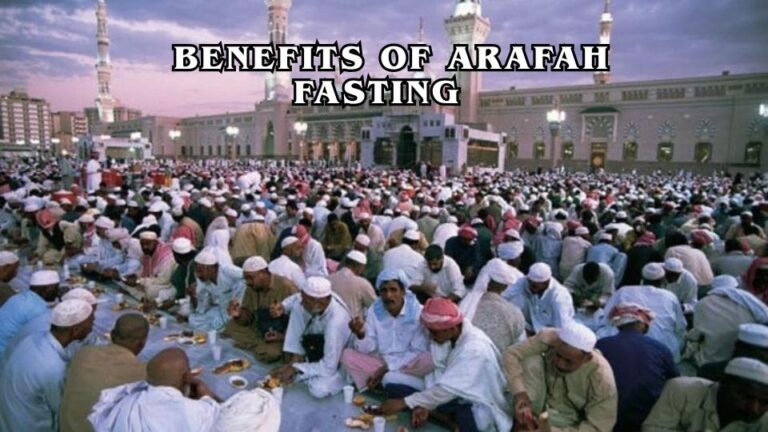
Sahih Muslim Fasting on the 9th of Dhul Hijjah (Day of Arafah) wipes away the sins of two years the one that passed and the one ahead. Scholars note that coupling this fast with generous giving amplifies its spiritual depth.
Hadith on Sadaqah (Sahih Muslim) The Prophet (PBUH) taught that a charity is due for every joint in the human body on each day the sun rises, and that even guiding someone on the road or offering a smile counts as an act of giving (Muslim Aid Dhul Hijjah).
These references collectively paint a picture: Dhul Hijjah is not simply a good time to donate it is arguably the optimal time.
Types of Charity You Can Give During the First 10 Days
Not every donation falls into the same category. Understanding your options helps you diversify your giving and cover multiple spiritual bases during Dhul Hijjah.
| Charity Type | Obligation Level | Best Timing | Who Benefits | Spiritual Outcome |
| Sadaqah | Voluntary | Any of the 10 days | Anyone in need | Multiplied reward during sacred days |
| Zakat | Obligatory (above nisab) | Can align with Dhul Hijjah | Eight eligible categories defined in Quran (9:60) | Fulfils a pillar of Islam at peak reward time |
| Sadaqah Jariyah | Voluntary | Ideally early in the 10 days | Future generations (wells, schools, mosques) | Continuous reward even after death |
| Qurbani / Udhiya | Wajib (Hanafi) or Sunnah Mu’akkadah | 10th–12th Dhul Hijjah | Vulnerable families | Follows Ibrahim’s (AS) example; feeds the hungry |
| Fidyah / Kaffarah | Conditional | Anytime, elevated during Dhul Hijjah | People experiencing food poverty | Compensates for missed fasts or broken oaths |
This diversity means that virtually every Muslim regardless of income level can participate meaningfully in Dhul Hijjah charity.
Sadaqah in Dhul Hijjah: Small Acts, Massive Returns
Sadaqah during the first ten days of Dhul Hijjah operates under what scholars describe as a divine multiplier. The act itself may be identical to giving on an ordinary Tuesday in Sha’ban, but its placement inside the most sacred days of the year transforms its spiritual weight.
This is precisely why growing numbers of Muslim households now adopt a “ten-day giving schedule” setting aside a modest, consistent amount for each of the first ten days rather than concentrating their generosity on Eid al-Adha alone. Even a small daily contribution, offered with sincerity, accumulates enormous reward when sustained across the entire blessed window.
Research from Indiana University’s Lake Institute on Faith and Giving, conducted in partnership with Islamic Relief USA, found that nearly 70 percent of American Muslims consistently fulfil charitable obligations during sacred periods. While that study focused on Ramadan, scholars and charity professionals confirm that Dhul Hijjah triggers a comparable surge in generosity across the global ummah.
Zakat Timing: Should You Pay Zakat During Dhul Hijjah?
Zakat is obligatory once a year for every Muslim whose wealth exceeds the nisab threshold. There is no strict rule confining Zakat to a single month. However, many scholars actively encourage aligning your annual Zakat calculation with Dhul Hijjah because paying a mandatory obligation during a period of amplified reward effectively doubles the spiritual benefit you discharge your duty and earn the elevated blessings unique to these ten days.
If your Zakat anniversary falls elsewhere on the calendar, you can still bring it forward into Dhul Hijjah. The majority of scholars permit early Zakat payment, provided your wealth has already reached nisab.
According to Islamic Relief Worldwide, Muslims globally donate an estimated $550–600 billion in Zakat annually roughly four times the combined international aid budget of the G7 nations Islamic Relief (Islamic Relief Worldwide). Channelling even a portion of that figure into the first ten days of Dhul Hijjah creates an unmatched humanitarian force.
Qurbani: The Defining Act of Charity in Dhul Hijjah
Qurbani (also called Udhiya) is the ritual sacrifice performed on Eid al-Adha to honour Prophet Ibrahim’s (AS) willingness to sacrifice his son in obedience to Allah. It is considered wajib (obligatory) in the Hanafi school and a strongly recommended Sunnah in other madhabs for Muslims who meet financial eligibility.
The meat is traditionally divided into three equal shares: one for your family, one for relatives and neighbours, and one for those living in poverty. Many Muslims today entrust their Qurbani to established humanitarian organisations that distribute all shares to vulnerable communities.
Islamic Relief Worldwide’s Qurbani programme fed over 3 million people across 30 countries in 2024, distributing more than 543,000 food packs to families before Eid al-Adha Islamic Relief (Islamic Relief 42 Facts). In 2025, their distributions aimed to surpass that figure, reaching communities in conflict zones and disaster-affected regions Islamic Relief (Islamic Relief Qurbani 2026). For millions of recipients, this Dhul Hijjah donation represents their only opportunity to consume meat during the entire year.
Dhul Hijjah 2026: Essential Dates for Your Giving Calendar
Strategic timing amplifies your impact. Here are the projected dates for Dhul Hijjah 2026:
Dhul Hijjah 2026 is expected to begin on 18th May 2026, with the Day of Arafah falling around 26th May and Eid al-Adha on 27th or 28th May Muslim Aid (Muslim Aid). All dates remain subject to official moon sighting by Saudi authorities.
Day of Arafah The Peak of Spiritual Giving
The 9th of Dhul Hijjah is widely regarded as the single most powerful day of the year for non-pilgrims. Fasting on this day expiates the sins of two years. Coupling that fast with charitable giving whether Sadaqah, a Zakat instalment, or a Sadaqah Jariyah contribution creates a potent combination of worship that scholars across all four Sunni madhabs endorse with enthusiasm.
If you donate on only one day of Dhul Hijjah, make it the Day of Arafah.
Practical Strategies to Maximise Your Dhul Hijjah Donations
Knowing why to give is spiritual fuel. Knowing how to give wisely is practical wisdom. Here are field-tested strategies drawn from charitable best practice:
Divide your total budget across ten days. Calculate how much you intend to donate throughout the month, then split it equally. Automated scheduling tools offered by organisations like Islamic Relief and Children of Adam make this effortless.
Layer multiple forms of giving. Combine Sadaqah on days 1–9 with your Qurbani on the 10th and a Sadaqah Jariyah project (such as a water well or orphan sponsorship) on the Day of Arafah. This covers voluntary, obligatory, and ongoing charity in a single ten-day span.
Verify your chosen charity’s credentials. UNHCR’s Refugee Zakat Fund, endorsed by Al-Azhar Islamic Research Academy and the OIC’s International Islamic Fiqh Academy, has reached more than 6 million people in 26 countries with Sharia-compliant assistance since 2017 UNHCR (UNHCR Islamic Philanthropy Report). Transparency and scholarly endorsement matter when trusting an organisation with your sacred wealth.
Do not overlook non-monetary Sadaqah. The Prophet (PBUH) taught that removing an obstacle from a path, offering a kind word, or even greeting someone with a smile qualifies as charity. On days when financial giving is tight, these acts still earn the multiplied reward of Dhul Hijjah.
Measuring the Real-World Impact of Dhul Hijjah Charity
Spiritual reward is invisible, but humanitarian impact is measurable. The scale of Dhul Hijjah-driven giving is staggering.
Islamic Relief Worldwide reached 14.5 million people across 38 countries in 2024 through emergency response, development, and advocacy Islamic-relief (Islamic Relief Annual Report 2024). Their seasonal programmes powered largely by Ramadan and Dhul Hijjah donations accounted for millions of those beneficiaries.
The Global Humanitarian Assistance Report 2024, published by Development Initiatives, estimates that faith-based donors contribute over $20 billion annually to humanitarian causes worldwide Ummafoundation (Umma Foundation). Muslim charitable contributions, driven by Zakat and Sadaqah during peak months like Dhul Hijjah and Ramadan, represent a significant share of that figure.
These numbers confirm a powerful truth: when you give during Dhul Hijjah, you join a global movement that feeds the hungry, shelters the displaced, educates orphans, and delivers medical care to communities that mainstream funding often overlooks.

Conclusion: Seize the Sacred Window Before It Closes
Charity in Dhul Hijjah is not simply a good habit it is one of the most spiritually strategic decisions a Muslim can make each year. The Quran elevates these days with a divine oath, the Prophet (PBUH) ranked their deeds above almost every other act of worship, and the humanitarian data confirms that Dhul Hijjah giving transforms millions of lives across dozens of countries.
Whether your contribution is a daily dollar of Sadaqah, a carefully calculated Zakat payment, a Qurbani that feeds a family across the world, or a Sadaqah Jariyah that generates reward for decades, what matters most is sincerity, consistency, and starting on day one.
Dhul Hijjah 2026 is expected to begin around 18th May. Build your personal giving plan now, set up automated daily donations, and share this guide with your family and community so that no one misses out on the blessings of these extraordinary days.
Your next step: bookmark this article, share it with someone you love, and commit to your first Dhul Hijjah donation today.
What is the reward of charity in Dhul Hijjah?
Charitable giving during the first ten days of Dhul Hijjah earns a multiplied spiritual reward because the Prophet (PBUH) confirmed that no days are more beloved to Allah for righteous deeds than these ten (Sahih al-Bukhari). The exact multiplier is known only to Allah, but scholars universally agree that the reward far exceeds identical acts performed outside this sacred window.
Can I give Zakat during Dhul Hijjah instead of Ramadan?
Absolutely. Zakat has no calendar restriction it becomes due one lunar year after your wealth first reaches nisab. You are free to pay it during Dhul Hijjah, and many scholars recommend doing so because discharging an obligation during a period of heightened reward adds an extra layer of spiritual benefit.
When does Dhul Hijjah 2026 start?
Dhul Hijjah 2026 (1447 AH) is projected to begin on approximately 18th May 2026, with the Day of Arafah around 26th May and Eid al-Adha on 27th or 28th May (Muslim Aid). Exact dates depend on the official crescent moon sighting in Saudi Arabia.
Is Dhul Hijjah charity better than Ramadan charity?
Both carry immense reward, and scholars discourage ranking one over the other in absolute terms. However, the Prophetic narration in Sahih al-Bukhari specifically singles out the first ten days of Dhul Hijjah as the most beloved period for righteous deeds a distinction not made as explicitly for Ramadan’s first ten days. Many scholars therefore view Dhul Hijjah giving as holding a uniquely elevated status.
Does Qurbani count as Sadaqah?
Qurbani is both an act of worship and a form of charity. The portion distributed to people in need functions as Sadaqah, while the act itself commemorates Prophet Ibrahim’s (AS) obedience. Organisations likeIslamic Relief distribute entire Qurbani shares to vulnerable communities in over 27 countries, making your sacrifice both a spiritual observance and a lifeline for families facing food insecurity.
How much should I donate each day during Dhul Hijjah?
There is no prescribed minimum. The Prophet (PBUH) emphasised that even half a date or a kind word qualifies as charity. What matters is regularity and pure intention. Many families set a fixed daily amount whether it is $1 or $100 and automate it through trusted charitable platforms to ensure they benefit from every single blessed day without interruption.