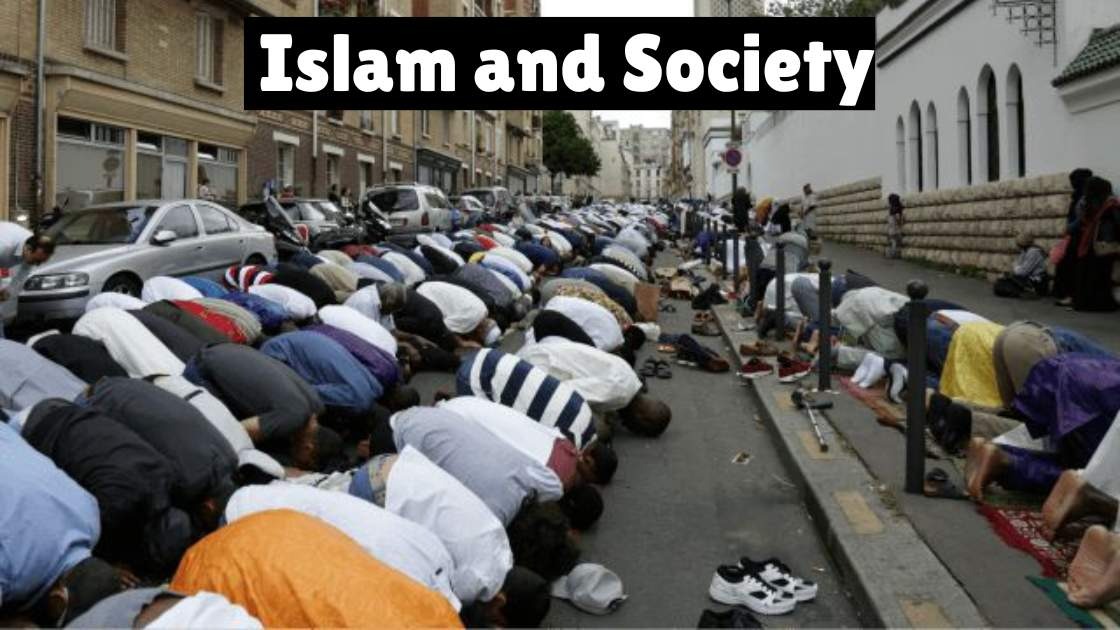
The Impact of Islam and Society: Understanding Religion’s Role in Modern Communities
Islam and society play a significant role in shaping cultural values, social norms, and everyday life. From education and governance to community interactions, Islamic principles have influenced how people think, behave, and organize their lives. This article explores the profound impact of Islam on ethics, family structures, education systems, governance, social justice, and community cohesion. By examining these aspects, readers will understand how religious teachings guide moral decisions, promote social responsibility, and foster unity within diverse communities. We will also discuss examples of Islamic influence in modern societies, highlighting its ongoing relevance. Through this exploration, the article provides a comprehensive perspective on the ways faith interacts with social structures, demonstrating the enduring connection between religion and societal development.
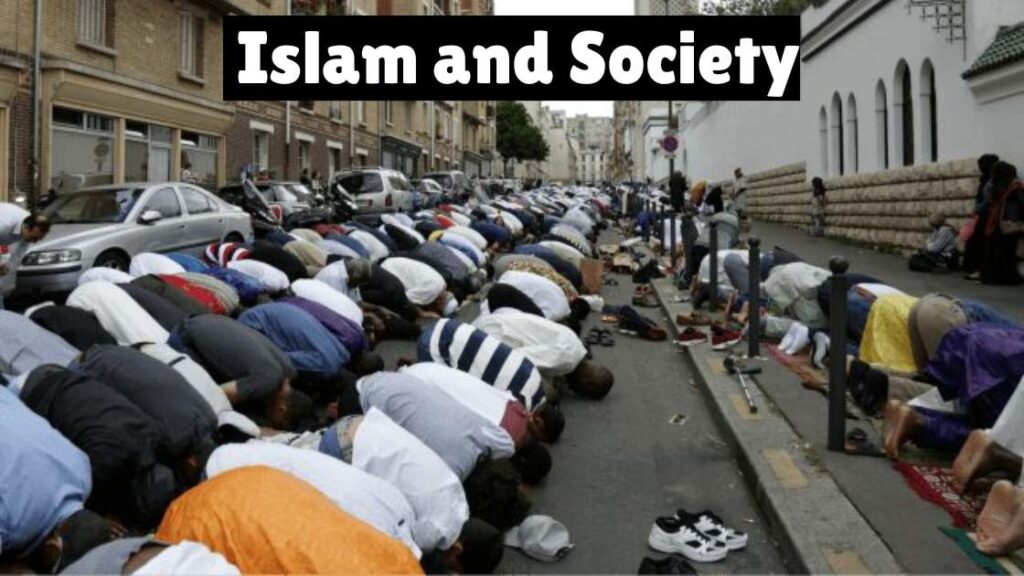
The Role of Islam and Society in Shaping Social Values
Islam and society are deeply intertwined, as religious principles influence ethical standards, social norms, and community behavior. The teachings of Islam provide guidance on justice, compassion, and responsibility, shaping how individuals interact with each other. In modern communities, Islamic values are evident in charitable work, educational initiatives, and family life. Understanding this connection allows us to see how faith continues to affect both individual choices and collective societal development.
Definition and Importance
Islam is not only a religion but also a comprehensive framework guiding moral, social, and economic aspects of life. Society, in this context, refers to communities that organize themselves through shared values and institutions. The synergy of religion and society ensures ethical governance, social cohesion, and cultural continuity.
Historical Influence of Islam and Society
The historical impact of Islam and society is profound, dating back to the 7th century. Early Islamic communities in Medina and Mecca established systems of governance, social welfare, and justice based on religious teachings. These principles shaped political structures, trade practices, and educational institutions. Over centuries, Islamic societies have demonstrated how religious guidance can coexist with social organization, promoting welfare and stability.
Early Governance and Social Order
Islam introduced structured legal and social systems that emphasized fairness, accountability, and community responsibility. The Qur’an and Hadith provided ethical standards that influenced legislation and dispute resolution.
Education and Knowledge
Education was prioritized to ensure moral and intellectual development. Schools and madrasas promoted literacy, religious knowledge, and scientific inquiry, highlighting the integration of faith and societal growth.
Examples of Historical Influence
- Establishment of waqf systems for community welfare
- Development of Sharia-based legal systems
- Promotion of literacy and scholarship in Islamic civilizations
- Ethical trade practices guided by Islamic principles
- Community support networks for vulnerable groups
Islamic Ethics and Community Development
Ethical principles derived from Islam play a vital role in shaping societal norms. In Islam and society, concepts like charity, justice, and respect for human dignity are central. Communities guided by these values tend to have stronger social cohesion, reduced conflicts, and more equitable resource distribution.
Charity and Social Responsibility
Zakat and Sadaqah are practical implementations of ethical responsibility. They ensure wealth redistribution, support for the poor, and promotion of social equity. These practices reinforce trust and solidarity within communities.
Justice and Governance
Islamic ethics promote fairness in governance, judicial processes, and interpersonal relationships. Leaders are encouraged to act with integrity, and disputes are resolved with equity.
Community Development Initiatives
- Funding schools and hospitals through charitable endowments
- Providing food and shelter to marginalized groups
- Organizing social programs for education and health
- Encouraging volunteerism and civic responsibility
- Promoting conflict resolution through mediation and dialogue
Family and Social Structures
The family unit is central in Islam and society, serving as the foundation of social stability. Islamic teachings emphasize respect, responsibility, and strong interpersonal bonds. Families function as the primary context for moral education, socialization, and support systems.
Roles and Responsibilities
Men and women have distinct but complementary responsibilities. Parents guide children in ethical conduct, while extended family networks provide additional support.
Marriage and Inheritance Practices
Marriage is both a social contract and a spiritual commitment. Islamic inheritance laws ensure fair distribution of wealth, maintaining equity and family cohesion.
Challenges in Modern Contexts
Rapid urbanization and changing social norms sometimes challenge traditional family structures. Communities must balance modernity with the ethical and social teachings of Islam.
Economic and Social Benefits of Islam
Economic life in Islamic societies reflects the principles of fairness, accountability, and community welfare. Trade, labor, and wealth distribution are guided by ethical norms, ensuring that prosperity benefits the wider society.
Trade and Business Ethics
Honesty, transparency, and fairness are emphasized in all transactions. Islamic guidelines discourage exploitative practices and encourage cooperative business models.
Financial Responsibility and Wealth Management
Zakat, charity, and ethical investment practices ensure social equity and resource redistribution.
Examples of Economic Benefits
- Ethical trading practices fostering trust in markets
- Wealth redistribution reducing social inequality
- Establishment of community-funded educational institutions
- Promotion of microfinance and cooperative ventures
- Supporting small businesses to enhance local economies
Challenges and Contemporary Relevance
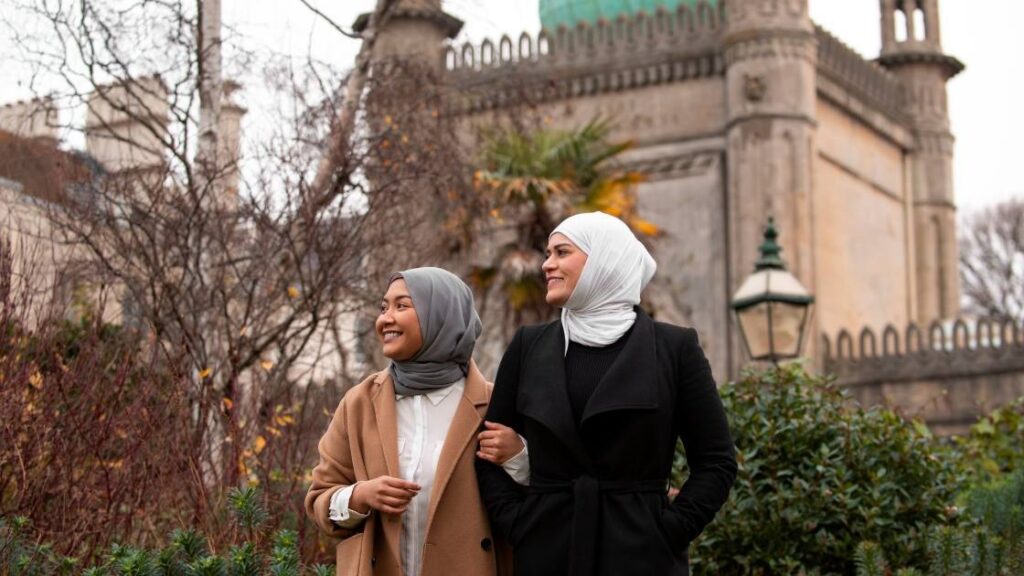
While Islam and society provide strong ethical guidance, modern challenges exist. Globalization, technological advances, and cultural shifts sometimes create tensions between traditional values and contemporary practices. Adapting religious principles to modern contexts requires thoughtful interpretation and community engagement.
Maintaining Social Cohesion
Communities must address challenges like inequality, gender disparities, and political conflicts without compromising ethical values.
Promoting Education and Awareness
Understanding the historical and social impact of Islam equips individuals to navigate contemporary challenges while upholding ethical principles.
Practical Solutions
- Integrating ethics into education systems
- Encouraging community-led social initiatives
- Promoting dialogue between traditional and modern perspectives
- Supporting equitable governance and legal reforms
- Fostering inclusive community development programs
Conclusion:
In conclusion, Islam and society have a profound influence on cultural values, social structures, and community development. By guiding ethics, family structures, education systems, governance, and social justice, Islamic principles promote cohesion, fairness, and moral responsibility. Charitable practices, ethical trade, and community initiatives strengthen social bonds and support the vulnerable. Understanding this relationship highlights the enduring relevance of faith in shaping modern communities and addressing contemporary challenges.