Morning and Night Adhkar: The Complete Sunnah Guide to Daily Protection, Forgiveness, and Peace
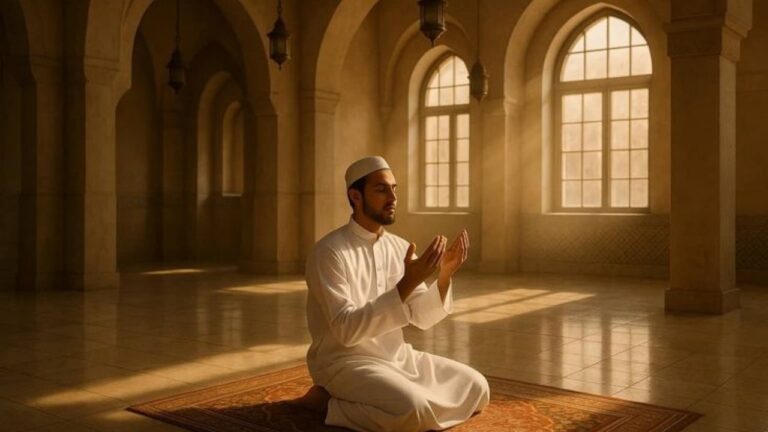
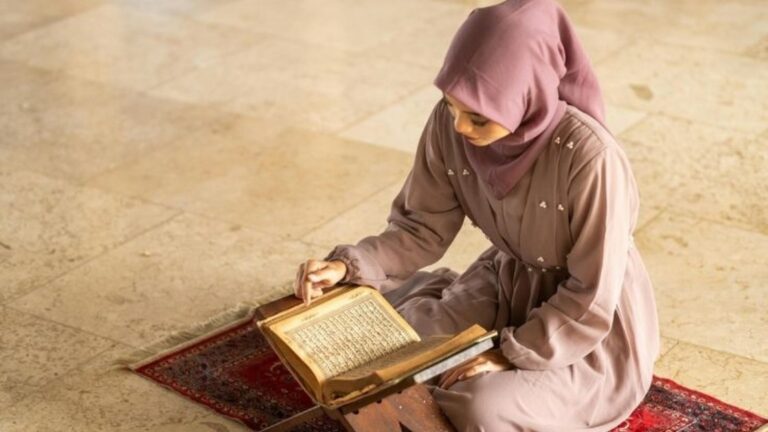
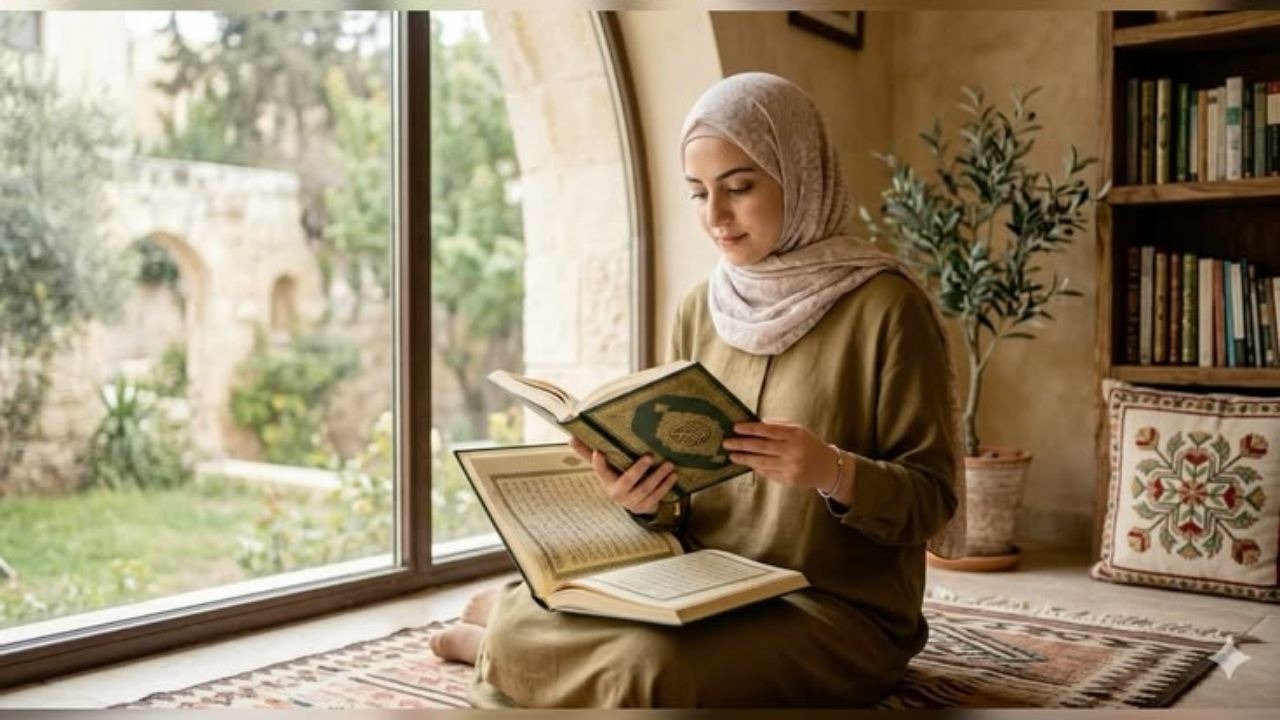
The morning and night adhkar are short, authentic supplications taught by the Prophet Muhammad ﷺ to be recited at dawn and dusk as a spiritual shield, a means of seeking forgiveness, and a path to inner tranquility. For today’s Muslim navigating notifications, deadlines, and fatigue these brief moments of remembrance create a structured rhythm that grounds the heart in worship and the mind in presence.
Rooted in the Quran and authentic Sunnah, these daily remembrances have been practiced unbroken for fourteen centuries. This guide unpacks their meaning, authentic sources, optimal timing, scholarly insights, and field-tested habits drawing directly from collections such as Sahih al-Bukhari,Sunan Abi Dawud, and Jami at-Tirmidhi.
Table of Contents
What Are the Morning and Evening Remembrances in Islam?
Dhikr, meaning “remembrance,” is the practice of invoking Allah through specific Quranic verses, Prophetic phrases, and praises. The morning and evening supplications known in Arabic as adhkar al-sabah wal-masa are a curated set of these invocations preserved from the Prophet ﷺ’s own daily routine.
Allah commands believers to remember Him at the beginning and end of each day in more than fifteen verses of the Quran, including Surah Al-Ahzab 33:41–42 andSurah Al-A’raf 7:205. This divine instruction shaped the Prophet’s practice, later compiled by scholars in classical works such as Imam al-Nawawi’s Al-Adhkar and the widely circulated Hisnul Muslim (Fortress of the Muslim) by Sa’id bin Ali al-Qahtani.
According to the publisher Darussalam, Hisnul Muslim has been translated into more than 40 languages and distributed in tens of millions of copies globally, making it one of the most accessed devotional texts in the Muslim world.
Why Daily Dhikr Matters: Spiritual and Psychological Benefits
Consistent remembrance of Allah is not just ritual it reshapes character, mental state, and perception. The Prophet ﷺ famously described the contrast: “The example of the one who remembers his Lord and the one who does not is like that of the living and the dead” (Sahih al-Bukhari 6407).
A Shield Against Unseen Harm
Authentic hadith establish that reciting Ayat al-Kursi, the final three chapters of the Quran, and specific Prophetic formulas offers protection from the evil eye, Shaytan’s whispers, and harmful influences. The Prophet ﷺ taught that whoever recites “Bismillah alladhi la yadurru ma’asmihi shay’un fil ardi wa la fis-sama, wa huwa as-Sami’ al-‘Alim” three times in the morning and evening, nothing will harm him (Sunan Abi Dawud 5088).
Measurable Emotional and Mental Health Benefits
Modern research echoes these spiritual claims. A 2020 review in the Journal of Religion and Health linked regular religious remembrance with significantly lower anxiety and depression scores. Dr. Harold Koenig’s three decades of research at Duke University have repeatedly shown that daily spiritual practice correlates with better sleep, lower cortisol, and higher life satisfaction.
A 2014 Harvard Medical School study on mindfulness and prayer concluded that repetitive devotional practice activates the body’s relaxation response, lowering blood pressure and heart rate within eight weeks of daily practice outcomes consistent with the felt experience of reciting the adhkar slowly and deliberately.
Forgiveness and Expiation of Minor Sins
Imam al-Nawawi, in his classical work Al-Adhkar, notes that framing the day with dhikr allows a believer to “begin and end in worship,” cleansing the shortcomings that occur between those two anchors. The Prophet ﷺ promised Paradise to whoever says Sayyid al-Istighfar with firm faith and dies that day or night (Sahih al-Bukhari 6306).
When Should You Recite These Supplications?
The windows are scholarly, flexible, and forgiving designed to fit real life rather than strain it.
The Morning Window
The preferred morning window begins at Fajr (dawn) and extends until about an hour after sunrise, with the optimal moment being between Fajr prayer and sunrise itself. This is supported by the Prophet’s own routine, as narrated in Sunan Abi Dawud, where he is described as sitting in remembrance after Fajr until the sun rose.
The Evening Window
The evening period opens at Asr and remains open until Maghrib, with some scholars notably Ibn al-Qayyim in Al-Wabil al-Sayyib extending it until roughly one-third of the night has passed. If you miss the preferred window, the late Sheikh Ibn Uthaymeen advised that you should still recite them, since the act and intention remain beloved to Allah.
Essential Authentic Supplications Every Muslim Should Know
A beginner does not need to memorize everything at once. Start with a small, authenticated core and expand as comfort grows.
Ayat al-Kursi
Reciting Ayat al-Kursi (Surah al-Baqarah 2:255) once in the morning grants Allah’s protection from Shaytan until evening, and once in the evening grants protection until morning. This is reported in the Mustadrak of al-Hakim and graded authentic by contemporary scholars such as Sheikh al-Albani.
The Three Quls Al-Ikhlas, Al-Falaq, and Al-Nas
The Prophet ﷺ instructed Abdullah ibn Khubayb to recite Surah al-Ikhlas,Surah al-Falaq, and Surah al-Nas three times each, morning and evening, saying: “They will suffice you against everything” (Jami at-Tirmidhi 3575). These three short chapters take less than 90 seconds combined.
Sayyid al-Istighfar The Master Prayer of Forgiveness
This is called the “chief” of istighfar because of its comprehensive acknowledgment of Allah’s lordship and the servant’s dependence. It begins: Allahumma anta Rabbi, la ilaha illa anta, khalaqtani wa ana ‘abduka… The Prophet ﷺ promised Paradise to whoever recites it sincerely and dies the same day (Sahih al-Bukhari 6306).
Subhan Allahi wa bi Hamdihi 100 Times
Saying “Subhan Allahi wa bi hamdihi” one hundred times in the morning and evening results in the forgiveness of sins, even if they were like the foam of the sea (Sahih al-Bukhari 6405). Scholars describe this short phrase as offering one of the highest reward-to-effort ratios in all of Islamic worship it takes roughly two minutes and can be done while walking or commuting.
A Beginner-Friendly Core Routine
- Ayat al-Kursi once
- Surah al-Ikhlas, al-Falaq, al-Nas three times each
- Sayyid al-Istighfar once
- “Subhan Allahi wa bi hamdihi” 100 times
- “A’udhu bi kalimat Allah at-tammat min sharri ma khalaq” three times (evening)
Total time: approximately four to six minutes.
Quick-Reference Comparison of Core Supplications
| Supplication | When | Times | Primary Benefit | Authentic Source |
| Ayat al-Kursi | Morning & Evening | 1x | Protection from Shaytan | Mustadrak al-Hakim |
| The Three Quls | Morning & Evening | 3x | Complete protection from harm | Tirmidhi 3575 |
| Sayyid al-Istighfar | Morning & Evening | 1x | Forgiveness and Paradise | Bukhari 6306 |
| Subhan Allahi wa bi hamdihi | Morning & Evening | 100x | Sins erased like sea foam | Bukhari 6405 |
| La ilaha illa Allah wahdahu… | Morning & Evening | 10x or 100x | Reward of freeing slaves | Bukhari 6403 |
| Bismillah alladhi la yadurru… | Morning & Evening | 3x | Nothing will harm you | Abu Dawud 5088 |
Practical, Research-Backed Tips for Building a Lasting Habit
Behavioral scientist Dr. BJ Fogg of Stanford University in his research on “Tiny Habits” argues that new routines succeed when anchored to existing ones. The morning and evening adhkar fit this framework naturally: the Prophetic sessions already sit right after Fajr and Asr prayers, two events most practicing Muslims are already committed to.
Begin with three supplications, not thirty. Recite them daily for one week before adding more. Keep a pocket edition of Hisnul Muslim on your nightstand or install a reputable app such as My Du’a, Hisn al-Muslim, or iPray on your phone’s home screen so a single tap opens the text.
Recite out loud when possible. A 2017 study from the University of Waterloo found that saying words aloud improves recall by around 10% compared to silent reading a small shift with outsized effects on memorization. Pairing the adhkar with an existing cue like morning coffee, the commute, or a school run removes the “I don’t have time” excuse, which is the single biggest reason consistency fails.
Many practicing Muslims I have spoken with report that listening to an audio recitation of the adhkar during their drive was the one change that transformed sporadic effort into an automatic daily practice.
Common Mistakes to Avoid
The most common pitfall is all-or-nothing thinking: skipping the adhkar entirely because you cannot complete the full list. Imam al-Nawawi emphasized that reciting a single supplication with presence of heart is better than rushing through a long list mechanically.
A second mistake is relying on unverified formulas that circulate on social media and WhatsApp. Always check the source against credible scholarly platforms such as IslamQA,SeekersGuidance, and Yaqeen Institute, which publish rigorously sourced content reviewed by trained scholars.
A third mistake is rushing through the words without understanding. Sheikh Muhammad Salih al-Munajjid stresses that the adhkar are not magical incantations the heart must recognize Allah as the tongue pronounces His praise.
A Real-World Example The Power of Consistency Over Intensity
Consider a Muslim professional working 60 hours a week who can only commit five short adhkar after Fajr. Over a single year, that produces roughly 1,825 individual acts of remembrance many of which carry the reward of “freeing a slave” or “having sins forgiven though they were like the foam of the sea” according to authentic hadith.
By contrast, a burst of enthusiasm that reads the full hundred-page Hisnul Muslim for three days and then stops produces far less spiritual and emotional benefit. The Prophet ﷺ explicitly said: “The most beloved deeds to Allah are those done consistently, even if small” (Sahih al-Bukhari 6464).

Scholarly Reflections on the Impact of Daily Remembrance
Imam al-Shawkani described the morning and evening supplications as “among the most rewardable forms of dhikr because they encompass every category of protection and benefit.” Ibn al-Qayyim, in Al-Wabil al-Sayyib min al-Kalim al-Tayyib, enumerated more than seventy benefits of consistent dhikr from repelling Shaytan and removing anxiety to earning the love of Allah and illuminating the heart.
Contemporary Yaqeen Institute research on Islamic spirituality reinforces these classical insights, noting that daily structured remembrance is one of the most reliable predictors of reported religious fulfillment among Muslim respondents in survey studies.
Final Thoughts
Framing your day with authentic remembrance is among the simplest, most rewarding spiritual practices in Islam a gift that costs minutes and returns lifetimes of barakah. Whether you begin with a single supplication or the full collection, the goal is sincere consistency.
Start tomorrow morning with Ayat al-Kursi, the Three Quls, and Sayyid al-Istighfar. Five minutes of focused recitation can quietly transform how you experience every hour that follows and connect your day, start to finish, with the One whose remembrance is the ultimate source of peace.
Can I recite the morning adhkar after sunrise?
Yes. The preferred time is between Fajr and sunrise, but most scholars agree you can still recite them until midday without losing the core reward. Consistency matters more than perfect timing.
What if I forget and remember at night?
Recite them anyway with the intention of making up the missed session. The Prophet ﷺ repeatedly emphasized that Allah loves those who return to Him after forgetfulness.
Do the adhkar have to be recited in Arabic?
The authentic wordings are in Arabic, and reciting them in Arabic is strongly preferred to preserve the exact Prophetic formula and its spiritual weight. Reading the translation alongside is highly recommended so your heart engages with the meaning.
Can women recite these supplications during menstruation?
Yes. The adhkar are primarily dua and remembrance, not Quran recitation in the ritual sense (with some scholarly nuance around longer Quranic passages like Ayat al-Kursi). The majority of scholars permit women to recite the adhkar during menstruation.
How long does the full daily routine actually take?
A complete recitation from Hisnul Muslim takes around 10–15 minutes at a calm pace. A beginner-friendly core routine takes 3–5 minutes less time than scrolling a social feed before breakfast.
What is the difference between dhikr and dua?
Dhikr is remembrance praising, glorifying, and declaring Allah’s oneness. Dua is supplication asking Allah for something specific. The morning and night adhkar combine both because the Prophet ﷺ wove praise together with personal requests.
Is there a difference between adhkar and azkar?
No “adhkar” and “azkar” are two transliterations of the same Arabic plural of dhikr. Some writers prefer one spelling, but they refer to identical practices.