
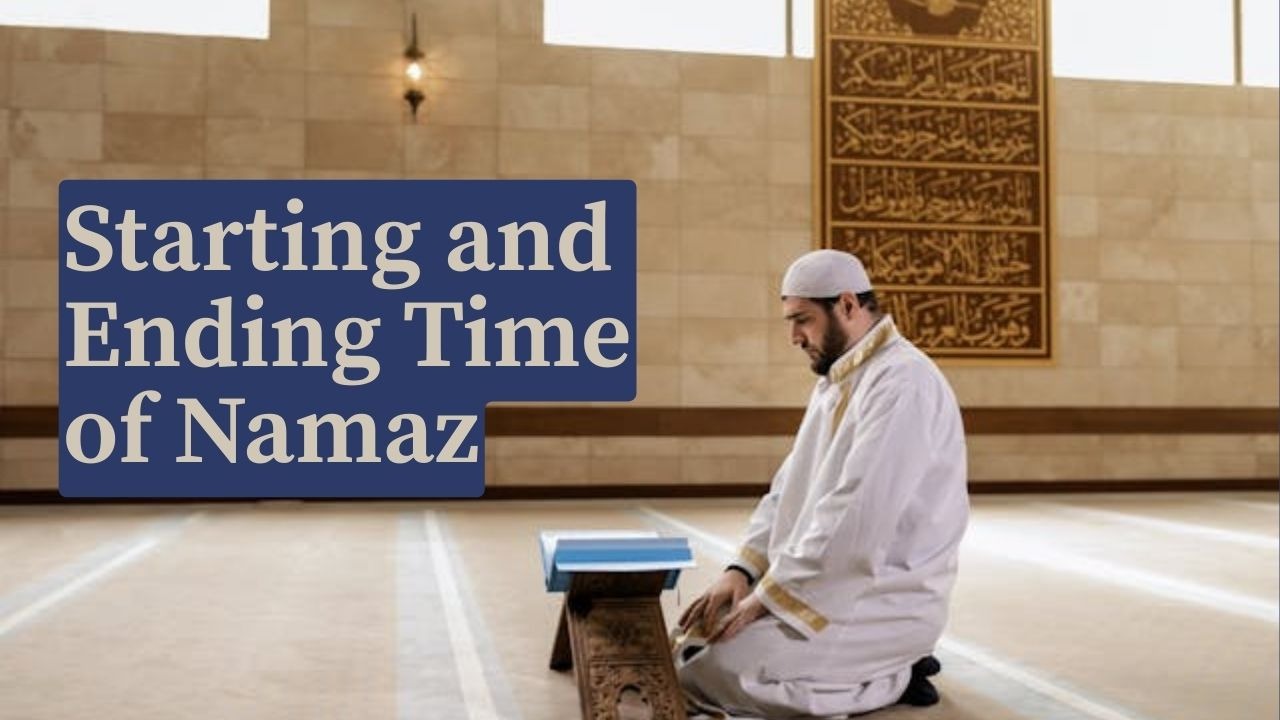
Complete Guide to Starting and Ending Time of Namaz for Every Prayer
Understanding the starting and ending time of namaz is essential for performing salah correctly and with peace of mind. As someone who has studied Islamic prayer schedules and daily worship routines closely, I know how confusing prayer timings can be, especially with seasonal changes and varying locations. Each prayer has a specific window, and praying within that time is a core requirement of worship. This guide is designed to clearly explain how prayer timings work and why they matter in daily life. You’ll learn about Fajr time at dawn, Zuhr after midday, Asr in the afternoon, Maghrib at sunset, and Isha prayer timings at night. We will also cover common mistakes, local prayer schedules, and how to stay consistent with Islamic prayer times in your routine.
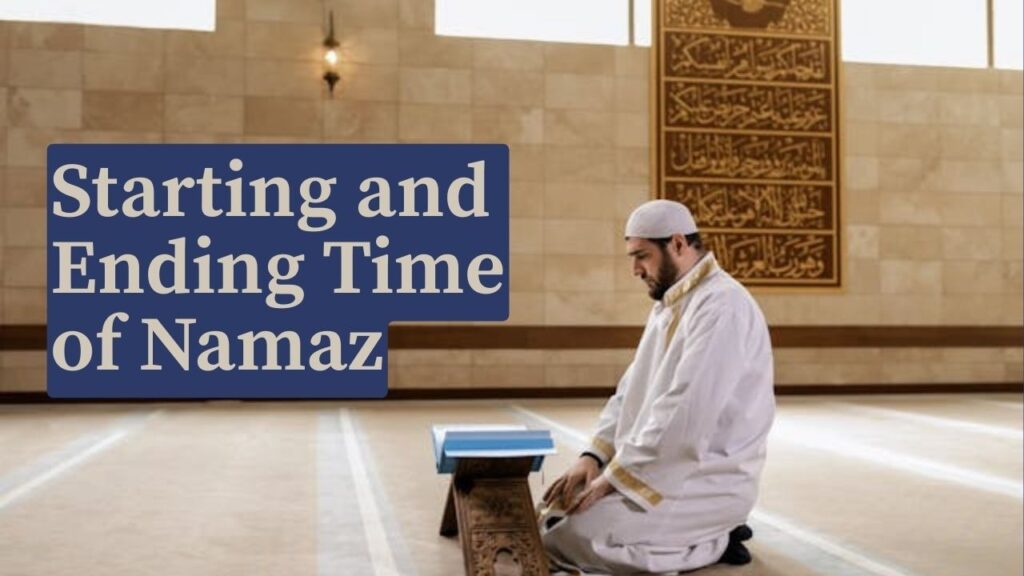
Understanding the Starting and Ending Time of Namaz
The starting and ending time of namaz refers to the specific period within which each obligatory prayer must be performed according to Islamic teachings. These times are fixed based on the movement of the sun, making prayer a discipline closely connected with nature. From early Islamic history, prayer timings were taught by the Prophet Muhammad ﷺ through observation of shadows, dawn, and sunset. Today, Muslims rely on prayer calendars, mosque announcements, and digital tools, yet the core principles remain unchanged. Knowing these time limits is not only about correctness but also about building mindfulness and structure in daily life. When prayers are offered within their prescribed windows, they reflect obedience, sincerity, and spiritual awareness.
Why Prayer Timings Matter in Islam
Religious Obligation and Spiritual Discipline
Performing salah within its allotted time is a fundamental obligation. Scholars across schools of thought agree that delaying prayer beyond its valid period without reason is sinful. Respecting the starting and ending time of namaz helps Muslims organize their lives around worship rather than fitting worship into leftover moments. This discipline nurtures consistency and strengthens faith.
Connection With Daily Life and Routine
Prayer timings create a rhythm that aligns worship with everyday activities. Whether it is waking up for Fajr or pausing work for Zuhr, Islamic prayer times encourage balance between worldly responsibilities and spiritual duties. Over time, this practice develops punctuality and inner calm.
Detailed Explanation of Daily Prayer Timings
Fajr Prayer Time
When Fajr Begins and Ends
Fajr begins at true dawn when the first light spreads across the horizon. It ends at sunrise. This prayer marks the start of the day and is closely associated with clarity and intention.
Fajr prayer time is often the most challenging due to sleep, but it carries immense reward. Praying early, before distractions begin, brings mental focus and spiritual energy for the day ahead.
Zuhr Prayer Time
Midday Prayer Window
Zuhr starts just after the sun passes its highest point in the sky. It lasts until the shadow of an object becomes equal to its length, according to most scholars.
Zuhr salah provides a pause during busy hours. It reminds believers to reset their intentions and seek guidance in the middle of daily responsibilities.
Asr Prayer Time
Afternoon Prayer Boundaries
Asr begins when the shadow of an object becomes longer than its length and continues until sunset, though delaying close to sunset is discouraged.
Understanding this period correctly is important because many people become unsure due to differing juristic opinions. Learning from reliable Islamic sources ensures accuracy.
Maghrib Prayer Time
Prayer After Sunset
Maghrib starts immediately after sunset when the sun disappears below the horizon. It ends when twilight fades.
This is one of the shortest prayer windows. Praying promptly is recommended, making awareness of correct prayer schedule essential.
Isha Prayer Time
Night Prayer Duration
Isha begins after twilight disappears and continues until midnight or dawn depending on scholarly views.
Isha prayer timings are more flexible, yet praying earlier helps maintain consistency and avoids missed prayers.
Key Features of Correct Namaz Timings
The system of prayer timings has several defining characteristics that make it practical and spiritually effective
- Based on natural solar positions
- Applicable across different regions with adjustments
- Encourages daily discipline and mindfulness
- Clearly defined windows for every obligatory prayer
- Supported by Islamic jurisprudence and consensus
These features show how Islamic prayer times remain relevant in every era, from early Muslim communities to modern lifestyles.
How the Prayer Time System Works
Role of the Sun and Shadows
Islamic prayer times are calculated through the position of the sun. Dawn, midday, afternoon shadows, sunset, and nightfall define each prayer window. This method ensures universality without relying on artificial measures.
Modern Tools and Prayer Schedules
Today, Muslims use mosque timetables, mobile apps, and online calculators that adjust salah timings according to location and season. These tools are helpful, but understanding the principles behind them prevents mistakes.
Common Challenges and Misconceptions
Seasonal Variations
Prayer timings change throughout the year, especially in regions with long days or nights. Without regular updates, it is easy to misjudge salah times.
Dependency on Inaccurate Sources
Relying on outdated calendars or unverified apps can lead to errors. Cross checking with trusted local mosques helps ensure prayers are offered within valid periods.
Practical Steps to Maintain Accurate Namaz Timings
Following a clear process helps maintain consistency and correctness:
- Check the daily prayer schedule according to your city
- Understand the start and end limits of each prayer
- Set reminders before prayer time begins
- Avoid delaying prayers unnecessarily
- Confirm timings during seasonal changes
These steps make it easier to respect the starting and ending time of namaz even with a busy routine.
Benefits of Praying Within Prescribed Times
Praying within correct limits offers spiritual, mental, and practical benefits. It builds self control, improves time management, and deepens spiritual connection. Consistency in prayer schedules also strengthens community worship and personal accountability. Most importantly, observing the starting and ending time of namaz fulfills a core Islamic duty and brings peace of heart.

Conclusion
Understanding the starting and ending time of namaz helps Muslims perform their prayers correctly and with confidence. This guide explained how Islamic prayer times are defined, why they matter, and how each daily prayer fits into a believer’s routine. From Fajr at dawn to Isha at night, knowing prayer schedules, salah timings, and Islamic prayer times reduces mistakes and builds discipline. Using authentic sources and reliable prayer calendars ensures accuracy throughout the year. By respecting the starting and ending time of namaz, Muslims strengthen their worship, improve daily balance, and maintain a consistent connection with faith.