
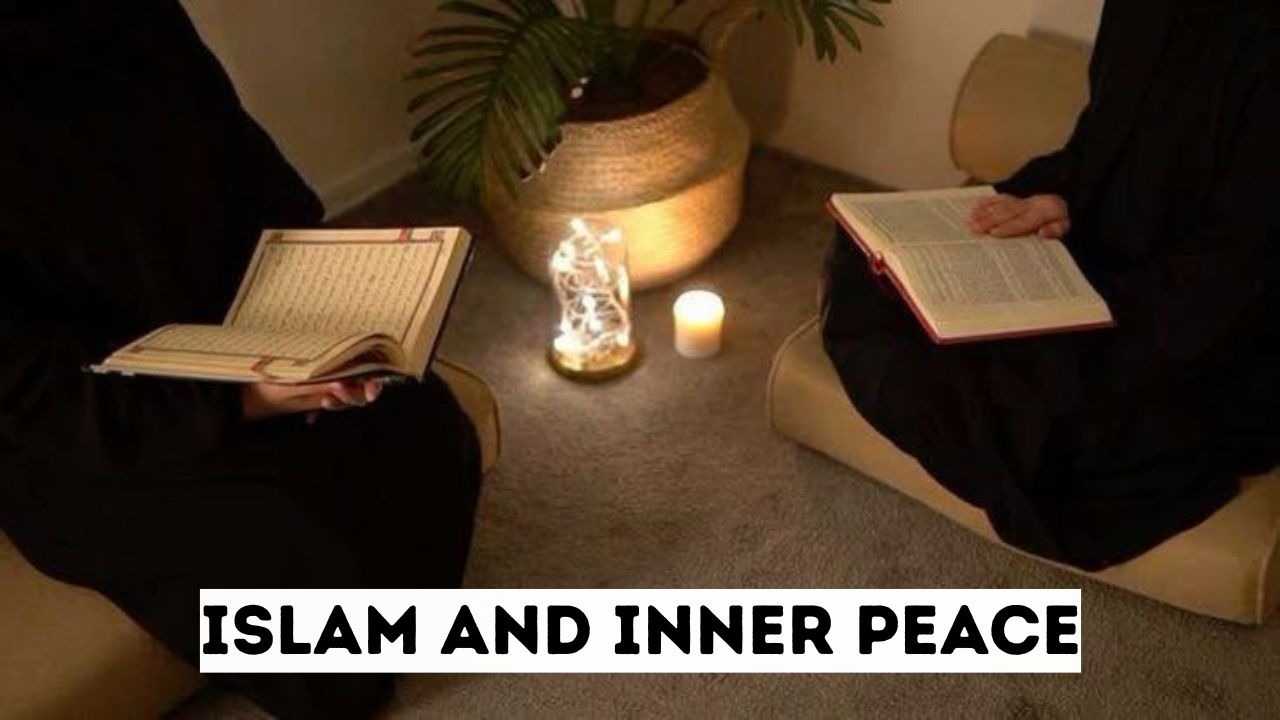
Islam and Inner Peace: How Islamic Teachings Calm the Heart in Times of Anxiety and Stress
In a world filled with uncertainty, Islam and inner peace offer a timeless refuge for hearts burdened by worry and fear. Many people struggle silently with anxiety and emotional stress, searching for meaning beyond temporary solutions. Islam presents a holistic path that nurtures both the soul and the mind, helping individuals reconnect with calm through faith-centered practices.
This article explores how Islamic teachings provide emotional balance by strengthening the heart, guiding thoughts, and deepening spiritual awareness. You will discover how concepts like Tawakkul, Dhikr, Salah, Qur’anic guidance, and spiritual healing play a vital role in reducing inner turmoil. By understanding these principles, readers can learn practical ways to face daily stress with patience and trust. The journey toward peace in Islam is not about escaping problems, but about developing resilience, clarity, and comfort through a strong connection with Allah.
Understanding the Meaning of Inner Peace in Islam
Islam and inner peace are closely connected through the belief that true calm comes from submitting to Allah’s wisdom. In Islam, inner peace does not mean a life without problems. It means having a heart that remains steady during difficulty. This calm grows when a believer understands life as a test and sees hardship as temporary. Emotional balance develops through trust, patience, and spiritual awareness. When faith guides thoughts and actions, anxiety loses its control over the heart.
Historical and Spiritual Background of Inner Peace in Islam
Inner Peace in the Qur’an and Sunnah
The roots of Islam and inner peace lie in the Qur’an and the Sunnah of Prophet Muhammad ﷺ. Qur’anic verses repeatedly remind believers that remembrance of Allah brings tranquility to the heart. The Prophet’s life showed emotional strength, patience, and mercy even during hardship. These teachings established a spiritual system where faith and emotional well being were deeply connected.
Role of Early Muslim Scholars
Scholarly Perspectives on Emotional Balance
Early scholars emphasized self accountability, reflection, and reliance on Allah. They encouraged believers to be conscious of their thoughts and intentions. This approach later came to be understood as Islamic mindfulness, helping Muslims stay present and spiritually grounded. Their guidance highlights that inner calm has always been a core Islamic value.
Why Inner Peace Is Essential in Modern Life
Facing Anxiety and Stress Today
Modern life is filled with constant pressure, information overload, and emotional exhaustion. Islam and inner peace offer a stable framework for managing these challenges. By practicing Islamic mindfulness, individuals learn to slow their thoughts, focus on purpose, and respond calmly instead of reacting emotionally. This helps reduce stress and restores emotional clarity.
Faith as a Source of Stability
Faith provides grounding when circumstances feel unstable. Trusting Allah through tawakkul allows the heart to release excessive worry. This mindset shift builds emotional resilience and prevents fear from dominating daily life.
Key Islamic Practices That Calm the Heart
Salah as Emotional Reset
Prayer serves as a spiritual pause in daily life. Through salah, believers reconnect with Allah and realign their intentions. Practicing Islamic mindfulness during prayer helps quiet negative thoughts and brings emotional balance. Focused prayer reminds the heart that it is never alone in struggle.
Dhikr and Qur’anic Reflection
Remembrance as a Healing Tool
Regular remembrance strengthens spiritual healing by replacing fear with hope. Reciting Qur’anic verses with understanding helps calm the mind and heart. This mindful engagement with revelation supports Islamic mindfulness and deepens inner awareness.
Benefits of Practicing Islamic Mindfulness
Practicing Islamic mindfulness helps believers manage emotions in a healthy way. It encourages awareness without emotional overwhelm and strengthens spiritual discipline. When practiced consistently, it transforms daily challenges into opportunities for growth and reflection.
- Improves emotional control during difficult situations
- Strengthens trust in Allah during uncertainty
- Reduces anxiety by focusing on the present moment
- Encourages patience and gratitude in daily life
- Deepens connection with faith based practices
Through these benefits, Islam and inner peace become sustainable rather than temporary.
Challenges in Maintaining Inner Peace
Common Obstacles Muslims Face
Maintaining calm is not always easy. Distractions, negative self talk, and unrealistic expectations can weaken spiritual focus. When Islamic mindfulness is neglected, emotional imbalance can return, making stress harder to manage.
Overcoming Spiritual Inconsistency
Small Steps Toward Balance
Islam encourages gradual improvement. Even small acts of remembrance or mindful prayer can restore calm. Consistency matters more than perfection. These small efforts protect Islam and inner peace over time.
Practical Examples from Daily Life
Applying Teachings During Stressful Moments
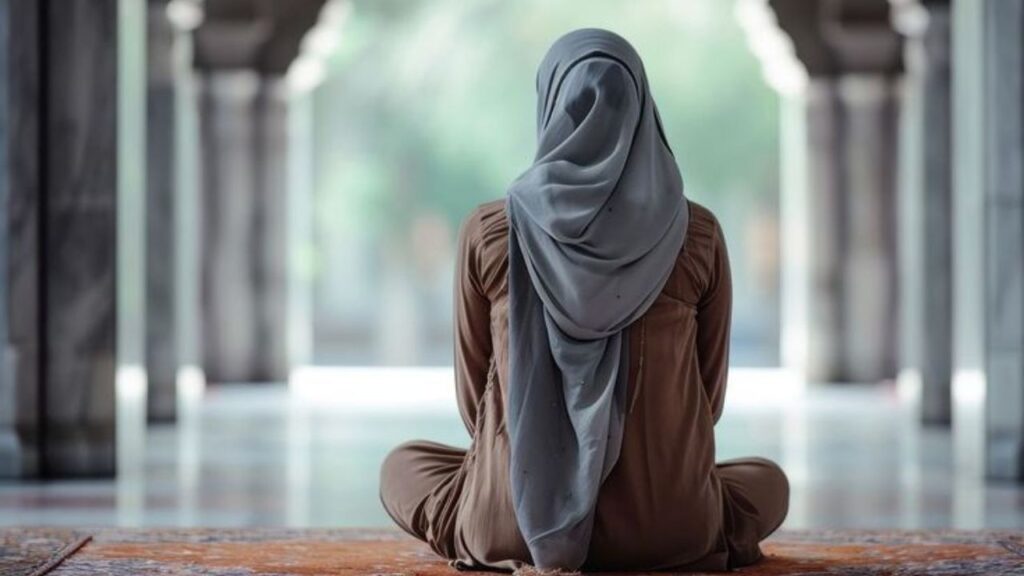
A believer facing financial hardship may feel overwhelmed but finds relief through tawakkul. A student under academic pressure may practice Islamic mindfulness by focusing on effort rather than fear of results. These real life applications show how faith guides emotional responses.
Inner Peace Through Gratitude
Shifting Perspective
Gratitude shifts attention from loss to blessings. This perspective supports spiritual healing and emotional balance. Over time, gratitude becomes a habit that strengthens Islam and inner peace even during hardship.
Living a Peaceful Life Through Faith
Lasting calm requires intention, reflection, and commitment. By integrating Islamic mindfulness into daily routines, believers learn to navigate life with patience and clarity. Through faith based practices, Islam and inner peace become lived realities that shape emotional strength, spiritual growth, and overall well being.
Conclusion:
The journey toward emotional balance becomes meaningful when faith guides both thoughts and actions. Islam and inner peace remind believers that calm is built through trust, patience, and consistent spiritual practice. By applying principles like mindful prayer, remembrance, gratitude, and reliance on Allah, individuals can manage anxiety and daily stress more effectively. These teachings offer long term emotional stability rather than temporary relief. When practiced sincerely, Islam and inner peace nurture resilience, strengthen spiritual awareness, and help believers face life’s challenges with clarity, confidence, and a deeply rooted sense of comfort.