Fasting 9 Days Dhul Hijjah: Complete Guide to Sacred Rewards
Fasting 9 days Dhul Hijjah is one of the most rewarding spiritual practices in the Islamic calendar, offering believers an incredible opportunity to earn multiplied blessings and divine forgiveness. These blessed days hold special significance as the most blessed days of the Islamic year, presenting Muslims with a second chance after Ramadan to strengthen their connection with Allah (SWT).
This comprehensive guide will explore the virtues of Dhul Hijjah fasting, the importance of the Day of Arafah, authentic hadiths supporting this sunnah practice, spiritual benefits of voluntary fasting, and practical tips to maximize your worship during these sacred ten days. Whether you’re new to this tradition or seeking deeper understanding, you’ll discover how to make the most of this holy period and earn rewards that can transform your entire year.
Understanding the Significance of Dhul Hijjah in Islam
The month of Dhul Hijjah holds an extraordinary position in the Islamic calendar as one of the holiest periods of the Islamic year. This sacred month witnesses two momentous events: the annual Hajj pilgrimage and Eid ul Adha, both performed in complete devotion to Allah (SWT). For Muslims who cannot undertake the journey to Mecca, fasting 9 days Dhul Hijjah provides an alternative path to earn immense spiritual rewards from the comfort of their homes.
Why These Days Are Special
The first ten days of this blessed month carry unparalleled importance in Islamic tradition. The opening ten days of Dhul Hijjah are a divine blessing, holding a status in Allah’s sight that surpasses even the days of Ramadan. They are the most beloved days to Allah, even more than the days of Ramadan. This extraordinary status means that every good deed, including prayer, charity, fasting, and remembrance, carries multiplied rewards. The Prophet Muhammad (PBUH) emphasized this by saying that there are no days on which righteous deeds are more beloved to Allah than these ten days.
Historical Background and Prophetic Tradition
The practice of fasting 9 days Dhul Hijjah is deeply rooted in the sunnah of Prophet Muhammad (PBUH). The Prophet SAW used to fast the first nine days of Dhul Hijjah, and the day of Ashura, and three days each month, the first Monday of the month and two Thursdays. This authentic narration confirms that observing these fasts follows the blessed tradition established by our beloved Prophet. This practice stands as an established Sunnah, backed by authentic narrations from the Prophet (PBUH) and followed by righteous Muslims throughout Islamic history.
Spiritual Benefits and Rewards of Dhul Hijjah Fasting
The rewards associated with fasting 9 days Dhul Hijjah are truly remarkable and serve as motivation for every believer seeking closeness to Allah (SWT). Observing fasts during these sacred days brings tremendous blessings and rewards, enabling believers to cleanse their hearts and draw closer to Allah (SWT).
Forgiveness of Sins
One of the most significant benefits of observing these fasts is the opportunity for complete spiritual cleansing. Islamic traditions highlight that fasting during these days opens a remarkable door for seeking repentance and receiving divine forgiveness. This makes the practice invaluable for Muslims seeking to start fresh and strengthen their relationship with their Creator.
Multiplied Rewards
The blessings during this period are amplified beyond ordinary times. Each day of fasting during this period equals an entire year of fasts, while every night spent in prayer matches the reward of worshipping on Laylatul Qadr. This hadith demonstrates the incredible opportunity believers have to accumulate rewards that would otherwise take an entire year to earn.
Key Benefits of Observing These Fasts
- Fasting during these days leads to immense reward, as actions are multiplied and more beloved to Allah.
- This practice cultivates taqwa (God-consciousness) within believers, cleansing their souls and directing their hearts toward constant remembrance of Allah.
- These days serve as a means to reconnect with Allah through fasting, prayer, Quran, and dhikr.
- These blessed ten days provide believers with an opportunity for spiritual renewal and a fresh beginning before the Islamic year concludes.
- Engaging in more worship during this time helps relieve emotional stress while bringing inner peace and a stronger sense of purpose.
The Day of Arafah: The Crown Jewel of Dhul Hijjah
Special Virtue of the Ninth Day
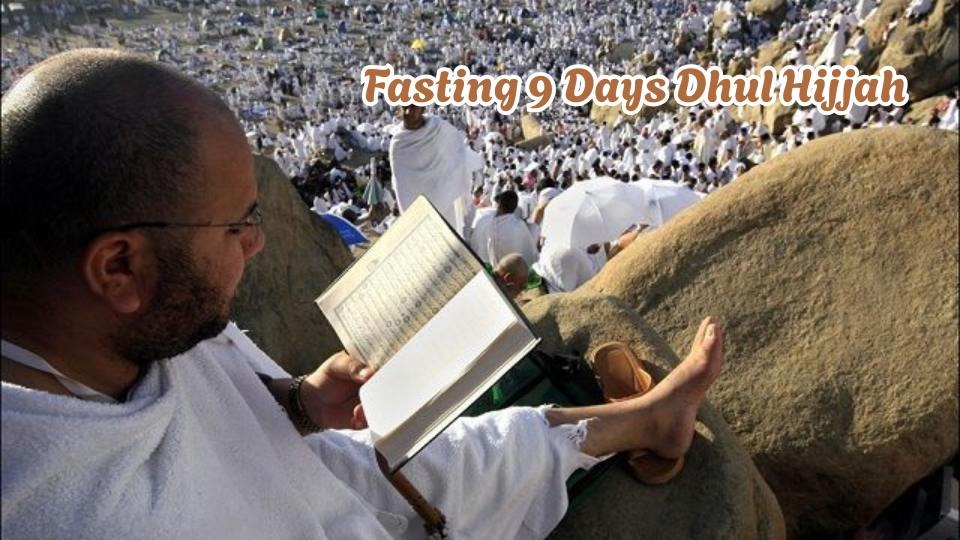
Among all the days of fasting 9 days Dhul Hijjah, the ninth day stands out with exceptional merit. The Day of Arafah, the 9th of Dhul Hijjah, holds a special place even among these ten days. For those not performing Hajj, this day offers extraordinary spiritual benefits that cannot be found at any other time of the year.
Two Years of Forgiveness
The reward for fasting 9 days Dhul Hijjah, particularly on Arafah, includes remarkable forgiveness. Fasting the Day of Arafah expiates the sins of the previous year and the coming year. This powerful hadith from Sahih Muslim demonstrates why scholars emphasize that if Muslims cannot fast all nine days, they should prioritize this single day above all others.
Practical Guidelines for Fasting During Dhul Hijjah
Making Your Intention
Every fast begins with intention. Believers must form their intention for fasting before the Fajr prayer begins each day. The beautiful aspect of this practice is that it does not need to be spoken out loud. A sincere thought is enough.
Important Rules to Remember
- Muslims who are not performing Hajj should fast for the first 9 days of Dhul Hijjah, but not on the 10th of Dhul Hijjah, which is the day of Eid al Adha.
- Eid al Adha is the 10th of Dhul Hijjah. It is a day of celebration. Fasting on this day is not allowed in Islam.
- You can combine the intention of fasting for Dhul Hijjah with Monday or Thursday fasts to amplify your reward.
- If a person cannot afford to fast all nine days, he may at least fast the ninth day of Dhul Hijjah.
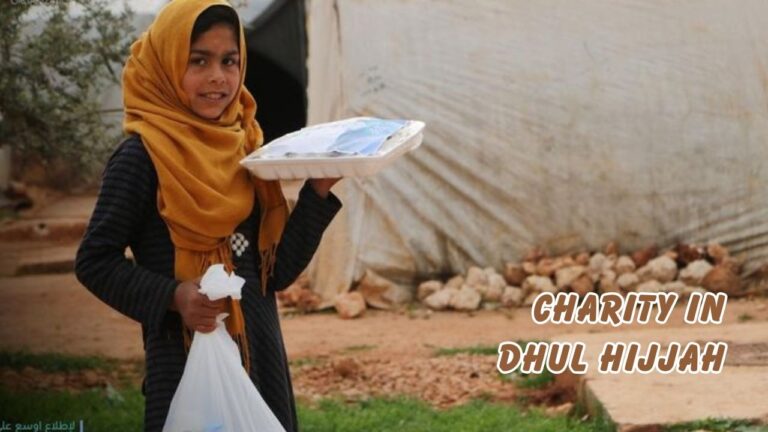
- Pair your fast with a good deed as this is the best time of the year to give charity.
Combining Good Deeds with Fasting
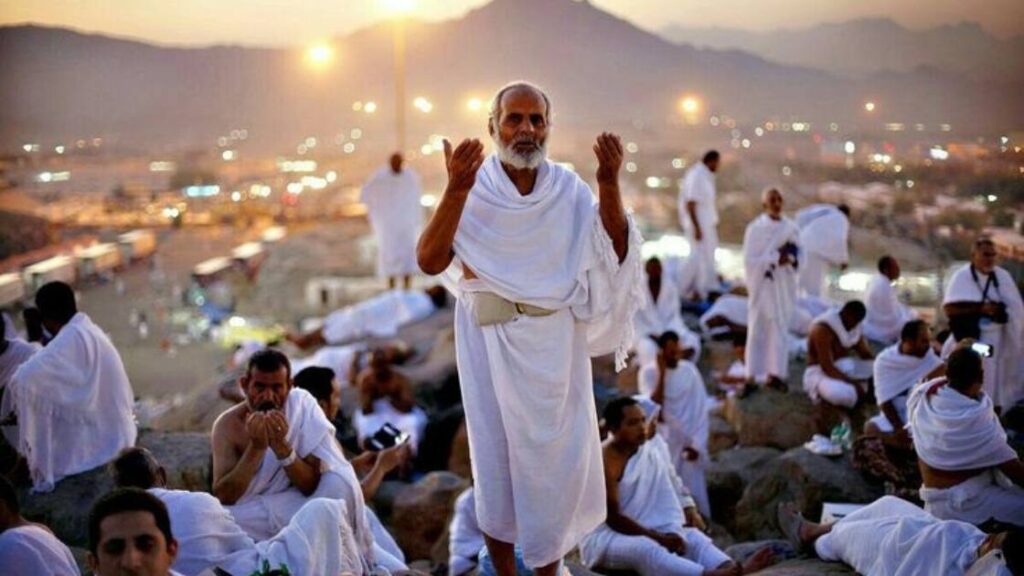
While fasting 9 days Dhul Hijjah is highly recommended, combining this worship with other righteous acts maximizes your blessings. It is also recommended to take time to remember Allah SWT by reading tasbeeh and reciting takbeers. Reading Quran, making abundant dua, and giving charity during these days further enhance your spiritual experience and multiply your rewards manifold.
Conclusion
The practice of fasting 9 days Dhul Hijjah represents one of the most spiritually rewarding opportunities in the Islamic calendar. These blessed days offer Muslims a chance to earn multiplied rewards, seek divine forgiveness, and strengthen their connection with Allah (SWT). Whether you observe all nine fasts or prioritize the Day of Arafah alone, this sunnah practice brings immense blessings that extend throughout the entire year. By combining fasting 9 days Dhul Hijjah with dhikr, charity, Quran recitation, and sincere dua, believers can maximize this sacred period and experience profound spiritual renewal before Eid ul Adha celebrations begin.