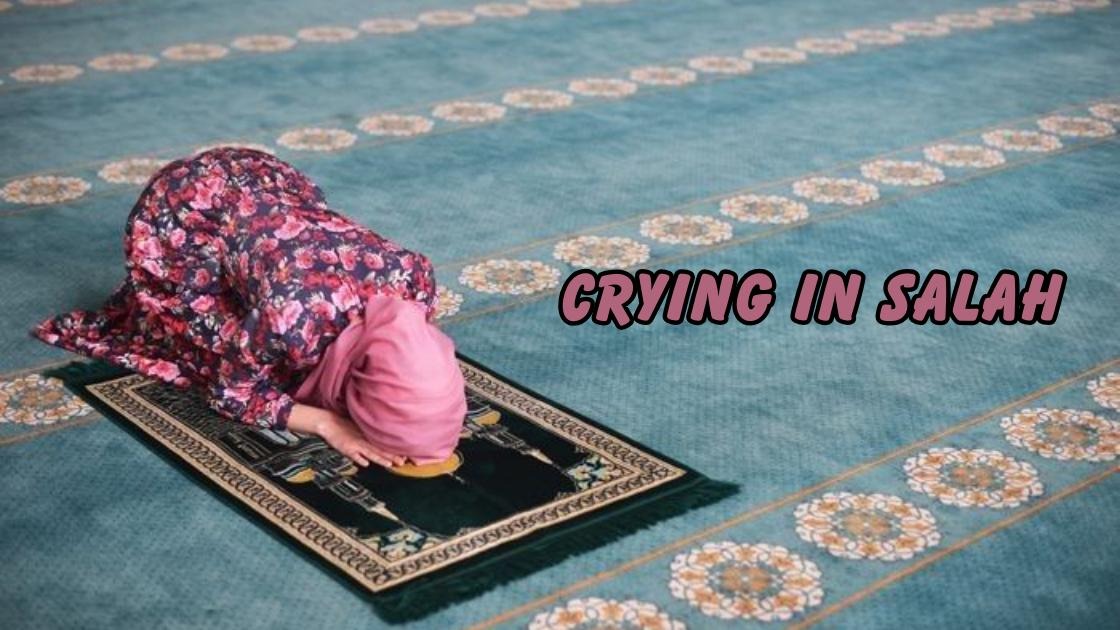
Crying in Salah: The Complete Islamic Guide Ruling, Evidence, and the Path to a Weeping Heart
Crying in salah is not only permissible in Islam according to the overwhelming consensus of classical scholars, it is one of the most praiseworthy states a worshipper can reach. Scholars from the Hanbali, Shafi’i, Maliki, and Hanafi schools all affirm that weeping out of fear, hope, or love of Allah during prayer is an elevated act of worship, not a distraction from it.
This guide covers the ruling in full detail, the evidence from Quran and Sunnah, the opinions of major scholars across centuries, the spiritual and psychological dimensions of weeping in prayer, and practical steps backed by Islamic tradition to help you get there.
Table of Contents
What Is the Islamic Ruling on Crying in Salah?
Short answer: Crying in salah is permissible and does not invalidate the prayer. If weeping arises from remembrance of Allah, fear of His punishment, grief over sins, or longing for His mercy, it is considered an act of worship in itself according to the majority of scholars.
The Scholarly Consensus
Imam Ibn Qudamah al-Maqdisi (d. 620 AH), in his encyclopedic work Al-Mughni, explicitly states that weeping in salah does not break it, regardless of whether it produces sound, provided it is not deliberate speech-like utterance. Imam al-Nawawi (d. 676 AH) echoes this in Al-Majmu’ Sharh al-Muhadhdhab, noting that involuntary weeping from fear of Allah is unanimously praised.
Sheikh al-Islam Ibn Taymiyyah (d. 728 AH) went further in his Majmu’ al-Fatawa, writing that the weeping of the heart even when the eyes remain dry is itself a sign of khushoo, and that striving toward this state is an obligation upon every praying Muslim.
The Ruling Summarized by Type
| Type of Weeping | Scholarly Ruling |
| From fear of Allah or longing for His mercy | Permissible and praiseworthy (ijma’) |
| From grief over sins and spiritual shortcoming | Permissible and recommended |
| From a worldly matter (e.g., financial loss) | Disliked by some scholars; does not invalidate prayer |
| Deliberate sounds resembling speech | May invalidate prayer if it forms letters (Hanafi position) |
| Uncontrollable sobbing beyond one’s control | Does not invalidate prayer (majority position) |
The governing principle across all schools: what originates naturally from the heart does not break salah. It is only deliberate, speech-like vocalisation that scholars caution against.
Quranic Foundation: What Allah Says About Those Who Weep
Short answer: The Quran directly praises those who weep when they hear the words of Allah, connecting this response with true faith and the station of sujood.
The Verse of the Weeping Prostrators
In Surah Al-Isra (17:109), Allah describes the scholars of deep knowledge:
“And they fall upon their faces weeping, and it (the Quran) increases them in humble submission.”
Imam Ibn Kathir (d. 774 AH), in his famous Tafsir al-Quran al-Azim, comments on this verse saying that these are people whose hearts are so softened by knowledge and awareness of Allah that the Quran does not merely enter their minds it physically moves them to prostration and tears.
The Praise of Weeping Eyes in Surah Al-Maidah
In Surah Al-Maidah (5:83), Allah describes a group who, upon hearing the Quran recited, respond with flowing eyes:
“And when they hear what has been revealed to the Messenger, you see their eyes overflowing with tears because of what they have recognized of the truth.”
Ibn al-Qayyim al-Jawziyyah (d. 751 AH), in his Madarij al-Salikeen considered one of the most important works in Islamic spiritual science categorises this weeping as one of the highest stations on the path to Allah, placing it above many forms of voluntary worship.
The Prophet ﷺ and the Companions Crying in Prayer: Direct Evidence
Prophetic Hadith Evidence
Hadith 1 The Sound of the Millstone
Abdullah ibn al-Shikhkhir (may Allah be pleased with him) narrated: “I came to the Messenger of Allah ﷺ while he was praying, and there was coming from his chest a sound like the rumbling of a millstone due to weeping.” This hadith is recorded by Imam Abu Dawud in his Sunan (no. 904) and authenticated by Sheikh Shu’ayb al-Arna’ut as hasan sahih.
Hadith 2 The Night Prayer of the Prophet ﷺ
Aisha (may Allah be pleased with her) narrated in Sahih Muslim (no. 772) that the Prophet ﷺ would stand in night prayer until his feet cracked, and when she asked why he did so much, he replied: “Should I not be a grateful servant?” Ibn Rajab al-Hanbali, in Lata’if al-Ma’arif, connects this narration to the Prophet’s weeping in Tahajjud, explaining that physical exhaustion and emotional tears were twin expressions of the same gratitude.
Hadith 3 The Command to Weep or Attempt It
The Prophet ﷺ said: “Recite the Quran and weep, and if you cannot weep, then force yourself to weep.” Recorded by Ibn Majah (no. 1337) and graded hasan by Sheikh al-Albani in Sahih Ibn Majah. This single narration is pivotal: it establishes that striving toward tears in worship is itself commanded and rewarded.
Hadith 4 The Eyes That Will Never be Touched by Fire
The Prophet ﷺ said: “Two eyes will never be touched by the Fire: an eye that wept from the fear of Allah, and an eye that stood guard in the path of Allah.” Recorded by Imam al-Tirmidhi (no. 1639) and graded hasan by him, with Sheikh al-Albani confirming its authenticity in Sahih al-Jami’.
How the Companions Wept in Salah
The early Muslim community treated weeping in prayer not as an exceptional event but as a normal expression of a living, connected heart.
Umar ibn al-Khattab (RA) would weep so intensely during Fajr congregational prayer that those standing at the back of the rows could hear him. Imam al-Bukhari records in Al-Adab al-Mufrad that Umar was once heard reciting Surah Yusuf and weeping so deeply that his voice broke.
Abu Bakr al-Siddiq (RA) was described by Aisha (RA) in Sahih al-Bukhari (no. 679) as a man who “could not control his weeping” when reciting the Quran, which is why the Prophet ﷺ initially hesitated to ask him to lead the congregation not out of disapproval, but concern for those praying behind him.
Abdullah ibn Abbas (RA) reportedly said, as recorded by Ibn Abi Shaybah in Al-Musannaf, that the best eyes are those that weep from khushoo in the presence of Allah.
Abdullah ibn Masud (RA) recited to the Prophet ﷺ from Surah Al-Nisa and the Prophet’s eyes filled with tears. Recorded in Sahih al-Bukhari (no. 5050) and Sahih Muslim (no. 800). The Prophet ﷺ said: “Enough for now,” because the recitation moved him so deeply.
The Spiritual Science of Weeping in Salah
Khushoo: The Soul of Prayer
Khushoo often translated as humble concentration or presence of heart is described by Imam al-Ghazali (d. 505 AH) in his monumental Ihya Ulum al-Din as the internal reality without which the external movements of salah are merely an empty shell. Al-Ghazali identifies six internal pillars of khushoo: presence of heart, understanding, awe, reverence, hope, and modesty before Allah. He places weeping as the natural fruit of all six pillars being present simultaneously.
Ibn al-Qayyim, in Al-Wabil al-Sayyib, writes that the heart has only two states: either it is alive and sensitive to the Divine, or it is dead and sealed. Tears are one of the most reliable signs that the heart is still alive to its Lord.
What Neuroscience and Psychology Say Through an Islamic Lens
Research published in Frontiers in Psychology (2014) found that emotional tears, specifically those triggered by awe, gratitude, or spiritual experience, contain higher concentrations of stress hormones including cortisol and ACTH compared to basic reflex tears. This suggests the body is actively releasing built-up stress through sacred emotional experiences.
Dr. Abdullah Utz, in his book Psychology from an Islamic Perspective (International Islamic Publishing House, 2011), draws on both Islamic tradition and contemporary psychological research to argue that weeping during worship serves as a powerful mechanism for emotional regulation, grief processing, and reconnection with core values all of which Islamic scholars described fourteen centuries ago using the language of tazkiyah (purification of the soul).
Islam named what science later measured.
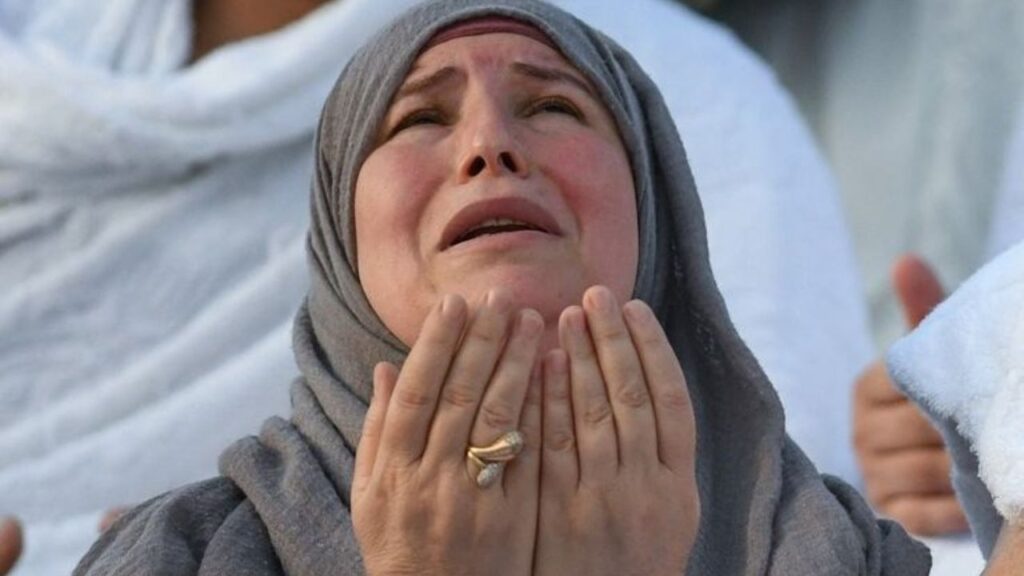
Why Most Muslims Struggle to Cry in Salah: Root Causes
Short answer: Spiritual dryness during prayer most commonly results from heedlessness outside of prayer, mechanical recitation without comprehension, and overexposure to distracting content that numbs the heart.
Ibn al-Qayyim lists in Madarij al-Salikeen what he calls the five major causes of a hardened heart:
- Excessive eating which dulls spiritual sensitivity according to classical scholars
- Excessive sleep which removes the barakah of early morning hours
- Excessive speech which disperses the heart’s focus
- Excessive socialising with those who do not remind one of Allah
- Excessive attachment to the dunya which gradually replaces awareness of the akhirah
Contemporary scholars including Sheikh Salman al-Awdah and Sheikh Omar Suleiman have added a sixth cause relevant to modern Muslims: excessive screen consumption, particularly social media and entertainment before and after prayer, which fragments attention and makes sustained spiritual focus extraordinarily difficult.
How to Cry in Salah: Proven Practical Steps
Short answer: Achieving tears in salah requires deliberate preparation before prayer, conscious engagement during it, and consistent spiritual discipline in between prayers.
Step 1 Learn the Meaning of What You Recite
The single most transformative change a Muslim can make is connecting the Arabic words of salah to their meanings. When you say Maliki yawm al-din “Master of the Day of Judgment” and you actually feel the weight of standing before that Master on that Day, the body responds.
Sheikh Muhammad al-Ghazali (the Egyptian scholar, d. 1996) wrote in Kayfa Nata’amal ma’a al-Quran that a Muslim who prays without understanding is like someone reading a love letter in a foreign language the words are there, but the heart receives nothing. Resources such as Quran.com, the tafsir of Ibn Kathir, and the works of Sheikh Nouman Ali Khan on Bayyinah Institute make this more accessible than any previous generation has experienced.
Step 2 Pray with Physical Slowness and Internal Deliberateness
Speed is the structural enemy of khushoo. The Prophet ﷺ is reported in Sahih al-Bukhari (no. 791) to have prohibited prayer performed like a crow pecking rushing through positions without genuine stillness.
Extend your ruku until your back is fully settled. In sujood the closest physical position a human being can occupy to Allah, as the Prophet ﷺ confirmed in Sahih Muslim (no. 482) do not rush up. Speak to Allah. Confess. Ask for what frightens you most. That position is where tears are most naturally born.
Step 3 Engage Verses That Strike the Heart
Certain Quranic verses carry a weight that bypasses the analytical mind and lands directly in the chest. Before prayer, read the tafsir of even one of the following:
- Surah Az-Zumar (39:53) Allah calling out to those who have wronged themselves, offering complete forgiveness without exception
- Surah Al-Fajr (89:27–30) the soul of the believer being welcomed home to its Lord in peace and contentment
- Surah Al-Hashr (59:21) “If We had sent down this Quran upon a mountain, you would have seen it humbled and splitting from the fear of Allah” Ibn Kathir notes this verse was specifically revealed as a rebuke to hard hearts
- The final two verses of Surah Al-Baqarah which the Prophet ﷺ described in Sahih Muslim (no. 808) as a treasure from beneath the Throne of Allah
Reading even two or three lines of tafsir before standing in salah primes the heart to receive those words differently.
Step 4 Make Personal Du’a in Sujood, in Your Own Language
The Prophet ﷺ said: “The closest a servant is to his Lord is when he is in sujood, so make abundant du’a.” Recorded in Sahih Muslim (no. 482).
Many Muslims feel that Arabic du’a from memorised formulas creates emotional distance. Sheikh Ibn Uthaymeen addressed this in his Sharh Riyadh al-Salihin, advising that a Muslim may supplicate to Allah in any language during the non-obligatory portions of salah and that honest, personal words spoken in one’s mother tongue often open the heart in ways that rehearsed formulas sometimes cannot, especially for those still building their Arabic.
Pour out your actual fears. Name your actual sins. Ask for what you genuinely need. Allah understands every language, and He responds to every sincerity.
Step 5 Guard the Heart Outside of Salah
Ibn al-Qayyim writes in Madarij al-Salikeen that the heart which is filled with heedlessness for sixteen hours of the day cannot suddenly become present and soft during eight minutes of prayer. What you fill yourself with between prayers directly determines what you bring into them.
Practical boundaries recommended across classical and contemporary scholarship include:
- Avoiding music, entertainment, and aimless scrolling in the hour before Fajr and after Isha
- Spending five to ten minutes in Quran recitation or morning/evening adhkar between prayers
- Reading at least one page of a book on the akhirah weekly scholars recommend Remembrance of Death by Imam al-Ghazali or The Garden of the Righteous by Imam al-Nawawi as starting points
- Sitting with people who speak about Allah and the hereafter the Prophet ﷺ described such gatherings in Sahih Muslim (no. 2689) as gatherings where the angels descend and Allah makes mention of those present before those in the heavens
Crying in Specific Prayers: Tahajjud, Fajr, and Congregation
Why Tahajjud Is the Prayer Most Conducive to Weeping
Allah describes the night prayer in Surah Al-Muzzammil (73:6): “Indeed, the hours of the night are more effective for concurrence of heart and speech.” Ibn Abbas (RA), as recorded in Tafsir al-Tabari, explains that the silence of night removes the distractions of the day, making the heart more receptive and the words of Quran more piercing.
Imam al-Ghazali in Ihya Ulum al-Din (Volume 1, Book of Worship) dedicates an entire chapter to Tahajjud, noting that the isolation of night prayer removes the element of social performance you are praying for no audience but Allah and this sincerity is precisely what softens the heart most rapidly.
Crying in Congregational Prayer
Weeping in jama’ah is fully permissible. The companions did so openly behind the Prophet ﷺ himself. The condition scholars agree upon is that it should not take the form of deliberate loud wailing that disrupts the imam or distracts others. Audible but uncontrolled sobbing the kind no one chooses is excused and recognised as valid khushoo by the majority of scholars.
Does Crying Break Wudu or Invalidate Salah?
Short answer: No. Tears do not invalidate wudu. And crying even audible crying does not invalidate salah according to the majority scholarly position, as long as it does not produce deliberate speech-like sounds.
According to Imam Ibn Abidin (d. 1836 CE) in his Hanafi reference work Radd al-Muhtar, the Hanafi school only considers salah invalidated if sounds resemble speech and form recognisable letters or words. Involuntary weeping falls entirely outside this category.
Imam al-Nawawi, representing the Shafi’i school in Minhaj al-Talibin, confirms the same: uncontrolled weeping from fear of Allah or grief over sins does not nullify the prayer.
A Note on Forcing Tears Versus Genuine Weeping
The Prophet ﷺ commanded Muslims to “force yourselves to weep” (Ibn Majah, no. 1337) if genuine tears do not come. What does this mean in practice?
Sheikh Ibn Uthaymeen explained in his Fatawa collection that this refers to creating the conditions and expression of humility slowing down, softening the face, reflecting deeply without faking emotion in a performative way. The effort itself, he says, is an act of worship and is rewarded by Allah even if tears do not physically fall.
Ibn al-Qayyim adds in Al-Fawa’id that there is a station beyond weeping that is even more elevated: tahazzun grief of the heart that is so deep it cannot even be expressed in tears. For those who genuinely seek Allah but whose eyes remain dry, this grief of striving is recognised and honoured.
Conclusion: Your Tears Before Allah Are Never Wasted
Crying in salah is not a spiritual milestone reserved for scholars or saints. It is the natural response of any heart that has genuinely grasped who it is standing before and that understanding is available to every Muslim willing to pursue it.
The Prophet ﷺ wept. Abu Bakr wept. Umar wept. And Allah Himself praised the eyes that overflow with tears in His presence, promising in the most authentic narrations that such eyes will never be touched by the Fire.
Start with one change today: look up the meaning of one surah you recite in every prayer. Let that meaning sit in your chest before you stand. Slow down one sujood.
The door to weeping in salah is opened from the inside, and you are already standing at it.
If this guide benefited you, share it with someone whose prayer life you care about. And if you have experienced a moment of weeping in salah and want to share what opened your heart, leave a comment below your testimony may be the exact thing another reader needs to hear.
Frequently Asked Questions
Q1: Is crying in salah a sign that the prayer has been accepted?
Weeping in salah is a sign of khushoo and sincerity, both of which are qualities Allah loves and which scholars describe as conditions for a prayer of high quality. However, acceptance is ultimately known only to Allah, and Muslims are encouraged to maintain hope while continuing to strive, rather than measuring acceptance by emotional response alone.
Q2: Can you cry in congregational salah behind an imam?
Yes, weeping in jama’ah is fully permissible, as the companions did so openly behind the Prophet ﷺ himself. The only condition is that deliberate loud wailing that disrupts the imam’s recitation or creates significant disturbance for other worshippers should be avoided. Uncontrollable sobbing is excused by the majority of scholars.
Q3: Does crying in salah break your wudu?
No. Tears do not appear in any of the classical lists of wudu-invalidators across any of the four major schools of Islamic jurisprudence. You may continue your prayer without any concern about the validity of your wudu due to weeping.
Q4: What if I cannot cry in salah no matter how hard I try?
The Prophet ﷺ commanded Muslims to strive toward tears, and scholars including Sheikh Ibn Uthaymeen teach that the sincere effort itself is rewarded. Ibn al-Qayyim identifies a station called tahazzun deep inner grief before Allah which is even more elevated than tears and is accessible to every heart that genuinely seeks it, regardless of whether the eyes respond.
Q5: Which surah or dua is best to recite for softening the heart in prayer?
Scholars consistently recommend Surah Al-Hashr (particularly the final three verses), Surah Az-Zumar (39:53), and the last two verses of Surah Al-Baqarah for their particular heart-softening effect. In du’a, the Prophet ﷺ frequently recited: “O Turner of hearts, keep my heart firm upon Your religion” (Tirmidhi, no. 3522), and scholars recommend this especially in sujood.
Q6: Is it possible to train yourself to cry in salah over time?
Yes. Classical scholars including Imam al-Ghazali in Ihya Ulum al-Din describe the softening of the heart as a gradual, trainable process achieved through consistent Quran reflection, reducing heedlessness, and repeated sincere effort in prayer. Many contemporary Muslims and scholars testify that hearts which felt completely sealed have opened over weeks and months of deliberate spiritual practice rooted in these traditional methods.