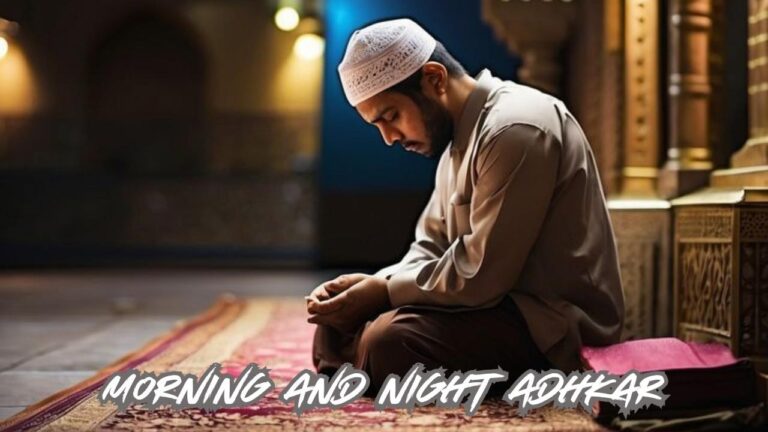

Best Time for Evening Adhkar: Complete Scholar-Backed Timing Guide
The best time for evening adhkar falls between Asr prayer and Maghrib (sunset). This is the position held by the majority of respected Islamic scholars, including Imam Ibn al-Qayyim and Shaykh Muhammad ibn Saalih al-Uthaymeen, may Allah have mercy on them both. If that window passes you by, your recitation remains valid until roughly one-third of the night has elapsed.
That single paragraph answers the question most people type into Google. But timing alone does not paint the full picture. Below, you will find the Quranic evidence behind this window, the different scholarly perspectives on how wide the timeframe actually stretches, and practical guidance for days when your schedule throws you off track.

What Exactly Are Evening Adhkar?
Evening adhkar are a specific collection of supplications and phrases of remembrance that the Prophet Muhammad ﷺ encouraged every Muslim to recite each evening. The Arabic word “adhkar” is the plural form of “dhikr,” meaning remembrance of Allah.
These are not random prayers. Each supplication carries a particular promise protection from harm, forgiveness of sins, spiritual strength, or closeness to the Creator. Imam al-Shawkani, the well-known Yemeni scholar, described morning and evening adhkar as the most comprehensive form of daily protection a Muslim can adopt, as documented on Life With Allah.
Allah Himself instructs believers in Surah Al-Ahzab (33:41-42): “O you who believe, remember Allah with much remembrance. And glorify Him morning and evening.” This verse frames evening remembrance not as a bonus ritual, but as a direct command from Allah to the believing community.
Why Does the Asr-to-Maghrib Window Matter Most?
The period between Asr prayer and sunset holds the strongest evidence as the ideal slot for evening adhkar. Here is why scholars favor it over any other part of the evening.
Quranic anchor: In Surah Qaaf (50:39), Allah says: “Glorify the praises of your Lord before the rising of the sun and before its setting.” The phrase “before its setting” maps directly onto the late afternoon hours that fall between Asr and Maghrib. Imam Ibn al-Qayyim connected this verse to the prophetic narrations about evening remembrance, as explained on IslamQA.info.
Linguistic meaning: The Arabic term “al-ashiy” (العشي), which appears in multiple Quranic verses about dhikr, specifically refers to the late afternoon period. When the Quran instructs remembrance during “al-ashiy,” it is pointing squarely at the hours leading up to sunset.
Prophetic alignment: The Prophet ﷺ paired Fajr and Asr as the two most important daily prayers, calling them the prayers of “the two cool periods.” Evening adhkar naturally accompany Asr prayer just as morning adhkar accompany Fajr.
Evening Adhkar Timing Quick Summary Table
| Category | Timeframe | Ruling |
| Ideal Time | After Asr → Before Maghrib | Strongly preferred by scholars |
| Extended Window | After Zawal (noon) → Midnight | Valid but less optimal |
| Makeup Period | After Maghrib → First third of the night | Accepted if you missed the ideal slot |
The Broader Scholarly View on Evening Timing
Not every scholar draws the line at Maghrib. Several respected authorities define “evening” more broadly, giving Muslims extra room.
It Can Start as Early as Noon
Shaykh Ibn Uthaymeen clarified, in a session documented on IslamWeb.net, that the Islamic evening technically begins when the sun crosses its zenith at midday. From that point until the middle of the night, a Muslim is technically within the evening window. However, he stressed that reciting closer to Asr is far more aligned with the intended time.
The Hanbali Position
Hanbali jurists outline the evening adhkar period as running from zawal (noon) through the end of the first half of the night. A ruling compiled on IslamQA.org explains that you can calculate the midpoint of the night by adding the total hours between Maghrib and Fajr and dividing by two. Anything before that midpoint still counts.
Missed the Entire Window? You Can Still Recite
According to guidance on IslamQA.info, Shaykh Ibn Uthaymeen noted that a person who forgets their evening adhkar and makes them up afterward can still hope for reward from Allah. The takeaway is clear: a late recitation always beats no recitation at all.
Key Quranic Verses That Anchor Evening Dhikr
Allah references evening remembrance across multiple surahs, reinforcing its importance from different angles.
- Surah Qaaf (50:39) “Glorify the praises of your Lord before the rising of the sun and before its setting.” This pairs morning and evening dhikr with the natural solar cycle.
- Surah Al-A’raf (7:205) “Remember your Lord within yourself, with humility and fear, without raising your voice, in the mornings and in the evenings.” Beyond timing, this verse teaches the proper etiquette: quiet, humble, and heartfelt.
- Surah Ar-Rum (30:17-18) “So glorify Allah when you reach the evening and when you reach the morning.” The word “tumsoon” (reach the evening) here covers the transition from afternoon into nightfall.
- Surah Al-Ahzab (33:41-42) “O you who believe, remember Allah with much remembrance. And glorify Him morning and evening.” This is among the most direct commands linking daily life to consistent dhikr.
These four passages, taken together, leave no doubt that evening adhkar sit at the heart of a Muslim’s daily spiritual framework rooted in divine instruction, not simply cultural tradition.
Essential Evening Adhkar Every Muslim Should Recite
The most authentic evening adhkar come directly from verified prophetic narrations. Below is a concise list of the core supplications scholars recommend for daily evening recitation.
- Ayatul Kursi (Surah Al-Baqarah, 2:255) Recited once. The Prophet ﷺ confirmed that whoever recites this verse in the evening remains under Allah’s protection from Shaytan until the morning, as recorded in a narration authenticated by Shaykh al-Albani and referenced on Little Muslim House.
- Surah Al-Ikhlas, Surah Al-Falaq, and Surah An-Nas Recited three times each. Abdullah ibn Khubayb reported that the Prophet ﷺ told him these three surahs, recited every morning and evening, would suffice him against all harm (Sahih at-Tirmidhi).
- Sayyid al-Istighfar (The Master Supplication for Forgiveness) Recited once. This is among the most rewarding evening supplications, carrying a promise of Paradise for the one who recites it with conviction and passes away that same night, as narrated in Sahih al-Bukhari.
- SubhanAllahi wa bihamdihi (100 times) The Prophet ﷺ stated that no person will arrive on the Day of Judgment with anything better than this, except someone who recited even more (Sahih Muslim).
- The evening version of “Allahumma bika amsayna…” This supplication acknowledges that we have reached the evening by Allah’s grace alone, placing complete reliance on Him.
This is not an exhaustive list. Comprehensive collections such as Hisn al-Muslim (Fortress of the Muslim) by Shaykh Sa’id ibn Ali ibn Wahf al-Qahtani contain the full set with Arabic text, transliteration, and translation. You can access a widely used digital version through Sunnah.com.
Common Mistakes People Make With Evening Adhkar
Even well-intentioned Muslims sometimes fall into habits that reduce the impact of their evening remembrance. Recognizing these mistakes helps you get the most from every session.
Rushing Through Without Presence of Heart
Speed-reciting your adhkar while scrolling your phone defeats the purpose entirely. Allah instructs in Surah Al-A’raf (7:205) that dhikr should be performed with humility, fear, and an attentive heart. Imam al-Nawawi emphasized that dhikr spoken with a present heart holds far greater reward than hollow repetition, as noted on Life With Allah.
Skipping Entirely Because You Missed the Ideal Time
Many Muslims abandon their evening adhkar altogether once Maghrib passes. As discussed earlier, scholars like Shaykh Ibn Uthaymeen confirm that makeup recitation still carries reward. A late session always outweighs a missed one.
Inconsistency Over Perfection
Some people attempt the entire lengthy collection on one day and then skip several days afterward. Imam al-Nawawi advised that if you cannot recite everything, stay consistent with even a single dhikr daily rather than doing everything sporadically. Consistency, even with less, holds more weight with Allah than occasional bursts of effort.
Practical Tips to Build a Lasting Evening Adhkar Habit
Knowing the right time is only half the equation. Turning that knowledge into a daily practice requires simple, repeatable strategies.
- Anchor it to Asr prayer. Recite your adhkar immediately after completing your Asr salah and its sunnah prayers. Attaching a new habit to an existing one makes it far easier to maintain.
- Use a dedicated adhkar app. Tools like “Athkar” or “Hisn al-Muslim” apps provide the full text with audio, counters, and reminders. Having the supplications on your phone removes the excuse of not having them memorized yet.
- Start with five core adhkar. Do not overwhelm yourself with the entire collection on day one. Begin with Ayatul Kursi, the three Quls, Sayyid al-Istighfar, and the evening tasbih. Add more gradually once these five become second nature.
- Set a phone alarm for 15 minutes after Asr. A gentle daily reminder at the right time bridges the gap between intention and action.
- Recite with your family. Teaching your children or reciting alongside your spouse transforms evening adhkar from a solo task into a shared spiritual anchor for the entire household.
The Spiritual and Protective Benefits of Evening Adhkar
Evening adhkar deliver benefits that extend well beyond routine worship. The prophetic narrations attach specific rewards and protections to these supplications.
- Protection from Shaytan throughout the night Linked specifically to Ayatul Kursi and the three Quls, as established in multiple authentic hadith collections.
- Forgiveness of sins The tasbih of “SubhanAllahi wa bihamdihi” one hundred times wipes away sins even if they are as vast as the foam of the sea (Sahih al-Bukhari and Sahih Muslim).
- Sufficiency from Allah The last two verses of Surah Al-Baqarah, recited at night, are described by the Prophet ﷺ as being “sufficient” for the reciter, as recorded in both Sahih al-Bukhari and Sahih Muslim.
- Inner peace and emotional calm Allah states in Surah Ar-Ra’d (13:28): “Verily, in the remembrance of Allah do hearts find rest.” This is not a metaphorical claim. Regular practitioners of daily adhkar consistently describe a noticeable sense of calm and resilience in their daily lives.
The Prophet ﷺ also compared the person who remembers Allah to someone who takes shelter in a fortified building while enemies chase him. Without dhikr, a person is spiritually exposed. With it, they are shielded. This powerful analogy is recorded in a narration authenticated by al-Albani, as cited on Precious Gems from the Quran and Sunnah.
Conclusion
The best time for evening adhkar is the window between Asr prayer and Maghrib, supported by clear Quranic verses and the explanations of scholars like Ibn al-Qayyim and Ibn Uthaymeen. If that window slips past, your recitation remains valid until the first third or even the first half of the night.
What matters most is not perfection but persistence. Start with a handful of core supplications, anchor them to your Asr prayer, and protect that small daily window as a non-negotiable appointment with your Creator. Over time, those five minutes of evening dhikr will reshape your nights, your sleep, and your overall sense of spiritual grounding.
If this guide helped clarify the timing for you, share it with someone in your family or community who might benefit. And if you already have a consistent evening adhkar routine, drop your best tip in the comments below your experience could help another Muslim start theirs.
Frequently Asked Questions
Q1: Can I recite evening adhkar after Maghrib prayer? Yes, you can. While the preferred time is between Asr and Maghrib, scholars including Shaykh Ibn Uthaymeen confirm that reciting after sunset remains valid. The extended window lasts until approximately the first third of the night has passed.
Q2: What happens if I forget my evening adhkar completely? Shaykh Ibn Uthaymeen stated that a person who forgets and makes up the adhkar later can still hope for reward from Allah. It is always better to recite late than to skip the entire session.
Q3: How long does it take to recite the full evening adhkar? A complete recitation of the core evening adhkar typically takes between 10 and 15 minutes at a moderate pace. If you are short on time, prioritizing Ayatul Kursi, the three Quls, and Sayyid al-Istighfar covers the most essential supplications in under five minutes.
Q4: Is there a difference between evening adhkar and bedtime adhkar? Yes. Evening adhkar are tied to the late afternoon and early evening period, while bedtime adhkar are a separate set of supplications recited specifically when lying down to sleep. Some supplications overlap, but they serve distinct purposes and have different recommended times.
Q5: Can I recite evening adhkar in my own language instead of Arabic? Scholars generally recommend reciting in Arabic to preserve the exact prophetic wording and its associated rewards. However, understanding the meaning is equally important. Many people recite in Arabic while reading the translation alongside it to engage both their tongue and their heart.
Q6: Do evening adhkar replace the dhikr recited after obligatory prayers? No. The post-salah adhkar (such as tasbih, tahmid, and takbir after each obligatory prayer) are a separate category. Evening adhkar are an additional daily practice with their own distinct rewards and should not be confused with or substituted for post-prayer remembrances.