Benefits of Arafah Fasting: A Complete Guide to Spiritual, Physical, and Emotional Rewards
What if a single sunrise-to-sunset fast could wipe your spiritual slate clean for an entire two-year window? The benefits of arafah fasting that is precisely what the Prophet Muhammad (peace be upon him) promised when companions asked about observing a fast on the 9th of Dhul Hijjah. His response, preserved in the authenticated collection ofSahih Muslim (Hadith 1162), confirmed that abstaining from food and drink on this particular day atones for the sins of both the prior year and the one ahead.
That extraordinary return on a single day of voluntary worship is what draws tens of millions of Muslims around the globe to observe the Arafah fast annually. Yet the rewards extend well beyond forgiveness. Contemporary medical research now validates what believers have experienced for centuries that disciplined, short-duration fasting activates measurable healing processes inside the human body.
This resource walks you through every dimension of the Arafah fast: its theological foundation, the spiritual rewards documented in primary Islamic sources, the peer-reviewed science behind its health effects, and a hands-on preparation framework so your fast carries maximum impact. Nothing has been left out so you can bookmark this page and return to it year after year.
Table of Contents
Understanding the Day of Arafah: Context That Shapes the Fast
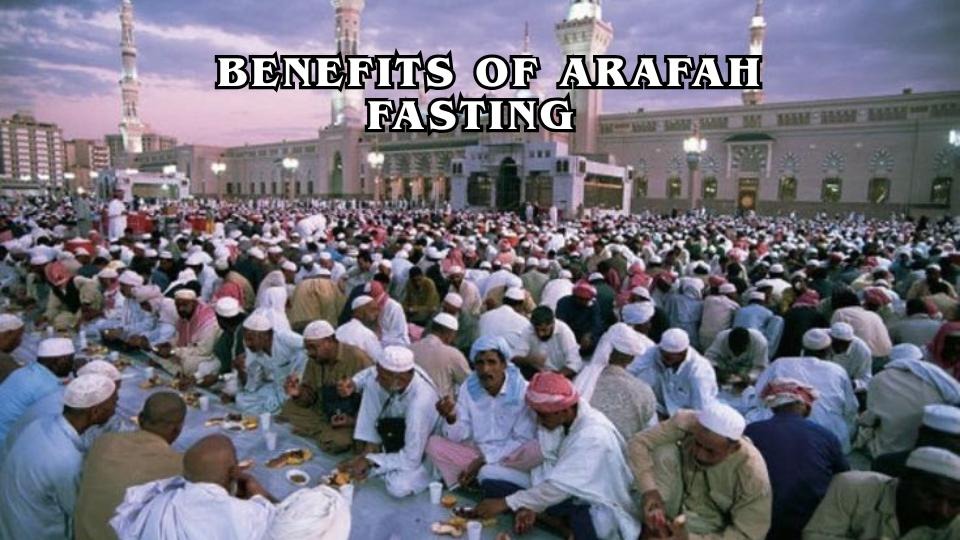
The Day of Arafah occupies the 9th position in the month of Dhul Hijjah the closing month of the Islamic lunar year. It arrives exactly one day before Eid al-Adha and marks the spiritual peak of the entire Hajj pilgrimage.
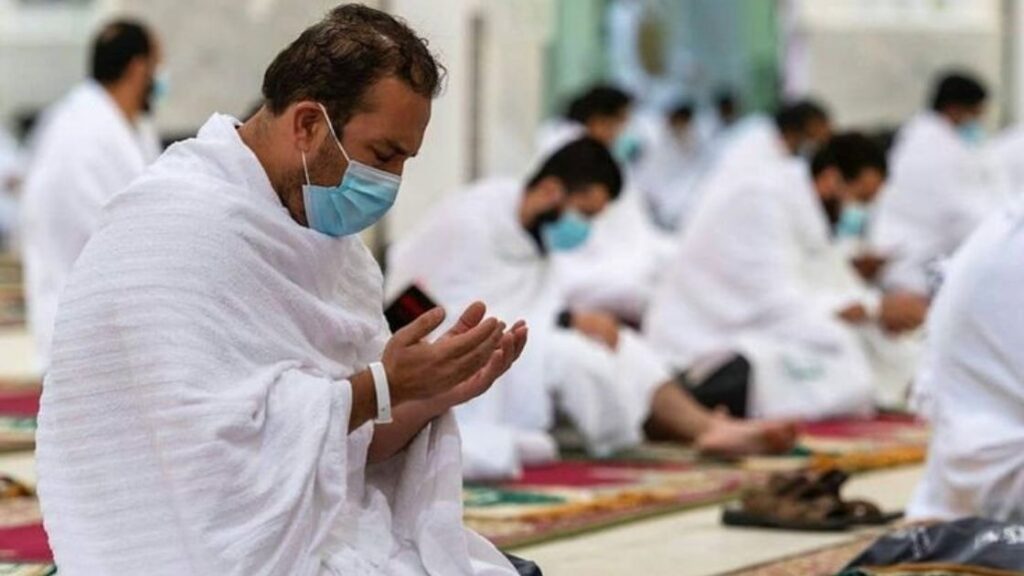
On this date, millions of pilgrims converge on the barren plain of Arafat, located roughly 20 kilometres east of Makkah. They stand from midday until sunset in prayer, repentance, and supplication a rite so central that the Prophet (peace be upon him) declared in a narration recorded by Abu Dawud that the Hajj itself is Arafah.
For every Muslim who is not performing pilgrimage that year, fasting replaces standing at Arafat as the primary act of devotion. Each of the four mainstream Sunni legal schools Hanafi, Maliki, Shafi’i, and Hanbali categorizes this fast as mustahabb (strongly encouraged), a point of scholarly consensus that Imam An-Nawawi documented in his classical juridical encyclopaedia al-Majmu’ (6/428), as cited by IslamQA.
What elevates this date above all others is a Quranic revelation that descended on it. Allah declared:
“This day I have perfected for you your religion and completed My favour upon you and have approved for you Islam as religion.” Surah Al-Ma’idah, 5:3
Umar ibn al-Khattab (may Allah be pleased with him) confirmed that this verse was revealed while the Prophet stood at Arafat on a Friday a convergence of two blessed occasions, as documented in Sahih al-Bukhari. That historical weight gives every act of worship performed on this day especially fasting an elevated spiritual significance that has no equivalent elsewhere on the calendar.
Core Spiritual Benefits of the Arafah Fast
The spiritual case for observing this fast rests on multiple authenticated prophetic narrations. Each one reveals a distinct layer of divine reward that applies specifically to non-pilgrims who choose to spend this day in voluntary hunger and worship.
Expiation Covering Two Calendar Years
When Abu Qatadah al-Ansari (may Allah be pleased with him) asked about fasting on Arafah, the Prophet (peace be upon him) responded that it serves as an expiation covering the preceding year and the year that follows. This narration appears in Sahih Muslim (1162) and is graded sahih (sound) by hadith scholars without dispute.
No other single-day voluntary fast anywhere in the Islamic tradition carries a comparable scope of sin erasure. Imam An-Nawawi explained in his commentary on Sahih Muslim that this expiation targets minor sins specifically. He further clarified that if a person has no minor sins remaining, the fast may contribute to the reduction of major sins or the elevation of spiritual rank, as referenced by Deen Minder. Major transgressions, however, still demand dedicated repentance (tawbah) involving genuine remorse and a firm commitment to change.
Unmatched Divine Emancipation from the Hellfire
A separate narration in Sahih Muslim, transmitted through Aisha (may Allah be pleased with her), records the Prophet (peace be upon him) stating that no day sees Allah free a greater number of people from the punishment of the Fire than the Day of Arafah. He described Allah drawing close and expressing pride before the angels regarding His servants’ devotion.
This hadith reframes the day not merely as an opportunity for personal forgiveness but as a window of active divine rescue a distinction that scholars across centuries have highlighted as uniquely powerful.
The Strongest Window for Accepted Supplication
The Prophet (peace be upon him) identified the supplication made on Arafah as the finest of all supplications, a teaching collected in Jami’ al-Tirmidhi (Hadith 3585). He also taught a specific invocation for this occasion “La ilaha illallahu wahdahu la sharika lahu, lahul-mulku wa lahul-hamdu wa huwa ‘ala kulli shay’in qadir” as recorded in Muwatta Imam Malik.
When you fast on this day, you gain a dual advantage: the supplication of a fasting person which the Prophet described in other narrations as a prayer that is never rejected coincides with the single most potent day of the year for accepted prayers. Scholars from Muslim Hands UK note that the hours between Dhuhr and Maghrib carry particular weight, mirroring the exact period when pilgrims stand at Arafat.
An Annual Spiritual Recalibration
Beyond what the hadith literature explicitly documents, generations of Muslim scholars and practitioners have observed that the Arafah fast functions as a mid-year spiritual audit. It arrives roughly six months after Ramadan, precisely when many believers notice their discipline beginning to wane.
This timing is not accidental. The first ten days of Dhul Hijjah are described in Sahih al-Bukhari (Hadith 969) as the most beloved days for good deeds in the sight of Allah. Fasting on the ninth day serves as the culmination of that ten-day stretch a built-in annual mechanism for believers to course-correct and recommit before the new Islamic year approaches.
Scientifically Supported Health Benefits of One-Day Fasting
The primary reason any Muslim fasts on Arafah is obedience and spiritual reward. Yet a growing body of peer-reviewed medical literature now confirms that the physiological mechanisms activated during a fast even a short one deliver tangible health returns.
Autophagy: Your Body’s Internal Recycling Programme
During food deprivation, cells activate a self-cleaning process called autophagy, where damaged proteins and worn-out organelles are broken down and recycled. A 2025 study published in The Journal of Physiology by researchers at the South Australian Health and Medical Research Institute (PubMed) measured autophagic flux in 121 human participants with obesity over six months. The team found a statistically significant increase in autophagy markers among those practising intermittent time-restricted eating compared to a control group.
Separately, a 2024 editorial in the World Journal of Gastroenterology (PMC) detailed how fasting-induced autophagy improves cardiac function in aging animal models by clearing damaged mitochondria a process known as mitophagy.
A 2025 study in Clinical Nutrition ESPEN (ScienceDirect) specifically examined dawn-to-dusk fasting during Ramadan a pattern virtually identical to the Arafah fast and found significant upregulation of three key autophagy genes (LAMP2, LC3B, and ATG5) in participants with overweight or obesity after four weeks.
While a single-day fast activates these pathways at a smaller scale than sustained fasting protocols, the underlying cellular machinery operates on the same principles.
Weight Management and Metabolic Improvement
A 2025 systematic review and meta-analysis published in the Nutrition Journal (PMC) pooled data from 15 randomized controlled trials with 758 participants. The researchers concluded that intermittent fasting produced statistically significant reductions in body weight (averaging 3.73 kg) and body mass index while improving total cholesterol and LDL levels.
Improved Insulin Function and Glycaemic Control
A 2025 umbrella review in the journal Diabetes, Obesity and Metabolism (PubMed) evaluated 122 health outcomes across multiple meta-analyses. High-quality evidence linked time-restricted eating to meaningful reductions in fasting insulin and glycosylated haemoglobin two markers directly tied to diabetes risk.
Each hour of fasting gives the pancreas a reprieve from insulin production, supporting what endocrinologists call insulin resensitization. Even one day contributes to this metabolic recalibration.
Cardiovascular Protection
A large-scale 2025 network meta-analysis in Current Nutrition Reports (PMC) synthesized findings from 56 randomized controlled trials encompassing nearly 4,000 participants across 16 countries. The analysis demonstrated that various fasting methods significantly lowered systolic blood pressure, LDL cholesterol, fasting plasma glucose, and waist circumference compared to unrestricted eating.
| Documented Health Benefit | Biological Mechanism | Research Source |
| Cellular self-cleaning (autophagy) | Damaged cells recycled during nutrient deprivation | Journal of Physiology, 2025 (PubMed) |
| Body weight and BMI reduction | Fat oxidation increases during caloric absence | Nutrition Journal meta-analysis, 2025 (PMC) |
| Insulin and blood sugar improvement | Pancreatic rest allows insulin resensitization | Diabetes, Obesity and Metabolism, 2025 (PubMed) |
| LDL cholesterol and lipid reduction | Lipid metabolism recalibrates during fasting | Current Nutrition Reports, 2025 (PMC) |
| Blood pressure reduction | Vascular relaxation under caloric restriction | 56-trial network meta-analysis, 2025 (PMC) |
Emotional and Mental Wellness Gains from the Arafah Fast
The conversation around Arafah fasting typically centres on the soul and the body. Rarely do people address the psychological dimension yet it is equally significant.
Sharpened Focus and Inner Stillness
When meals are removed from the daily equation, your mind stops cycling through food-related decisions. That cognitive bandwidth redirects toward reflection, contemplation, and worship. Practitioners consistently describe a quality of mental presence on fasting days that ordinary days simply cannot replicate.
This observation finds support in broader neuroscience: temporary caloric restriction stabilizes blood glucose oscillations, which in turn reduces the mental fog and energy dips that typically fragment attention throughout the day.
Belonging to a Global Collective Act
On the Day of Arafah, Muslims spanning every continent, time zone, and cultural background fast simultaneously. That collective intention generates what social psychologists call a communal ritual effect a sense of shared identity and belonging that measurably reduces feelings of isolation.
For someone fasting alone in a non-Muslim-majority country, simply knowing that hundreds of millions of others are doing the same thing at the same time carries real emotional weight. It transforms a personal act of discipline into participation in a global spiritual movement.
Who Should Observe the Arafah Fast and Who Is Exempt?
Islamic law draws clear boundaries around who benefits most from this fast and who should skip it entirely.
Every Non-Pilgrim Adult Muslim
If you are not on Hajj, this fast is addressed to you. The scholarly consensus across all madhabs, as recorded by Imam Ibn Qudamah in the Hanbali text al-Mughni (4/443), is that fasting on the 9th of Dhul Hijjah is among the most meritorious voluntary fasts of the year. Islamic Relief Worldwide reaffirms that this recommendation is universal across schools of thought.
Pilgrims Performing Hajj: Actively Discouraged
Every major legal school advises Hajj pilgrims against fasting on Arafah. The Hanafi jurist al-Kasani stated in Badai’ al-Sanai’ (2/76) that fasting is permissible for a pilgrim only if it does not weaken their standing at Arafat but most scholars go further and call it makruh (disliked).
The practical wisdom is straightforward: pilgrims face extreme heat, massive crowds, and hours of physical standing. Fasting would undermine their ability to fully engage in supplication. The Prophet (peace be upon him) confirmed this through his own practice during his Farewell Pilgrimage, he drank milk publicly at Arafat to demonstrate that he was not fasting, as narrated in Sahih al-Bukhari through Umm al-Fadl (may Allah be pleased with her).
Medical Exemptions Apply
Individuals who are pregnant, nursing, travelling, chronically ill, elderly, or managing conditions like diabetes should prioritize their health. Because the Arafah fast is voluntary not obligatory like Ramadan the bar for exemption is lower. The Islamic legal principle of la darar wa la dirar (no harm and no reciprocal harm) governs here: preserving wellbeing always outweighs voluntary worship.
A Step-by-Step Preparation Framework for Maximum Reward
The difference between a transformative Arafah fast and a forgettable one often comes down to how you prepare in the days beforehand. Here is a sequenced action plan:
- Verify the exact date one week out. The Islamic lunar calendar shifts the Gregorian date by roughly ten days each year. Confirm the 9th of Dhul Hijjah through your local mosque, a trusted Islamic authority, or the Saudi Umm al-Qura calendar. In cases where your local sighting differs from Makkah’s, consult your imam scholars hold legitimate differing positions on this, as outlined by Ink of Faith.
- Build fasting stamina during the first eight days. The Prophet (peace be upon him) encouraged virtuous deeds throughout Dhul Hijjah’s opening ten days, as noted in Sahih al-Bukhari (969). Fasting on several of these preceding days conditions your metabolism and prevents the 9th-day fast from arriving as a shock.
- Design a nutrient-dense pre-dawn meal (suhoor). Prioritize complex carbohydrates like oats, proteins like eggs, and hydrating foods such as watermelon or cucumber. Steer clear of heavily salted, fried, or processed items that accelerate thirst.
- Draft your supplication list before the day begins. Muslim Hands UK advises writing down personal requests in advance. The hours between Dhuhr and Maghrib carry the most spiritual weight, and having a prepared list ensures you spend that window in focused prayer rather than scrambling for words.
- Treat the day as a personal spiritual retreat. Switch your phone to silent. Postpone non-urgent work. Disconnect from social media. MuslimSG emphasizes that the day should be dedicated to Quran recitation, dhikr (remembrance of Allah), and sincere repentance not passive idle time.
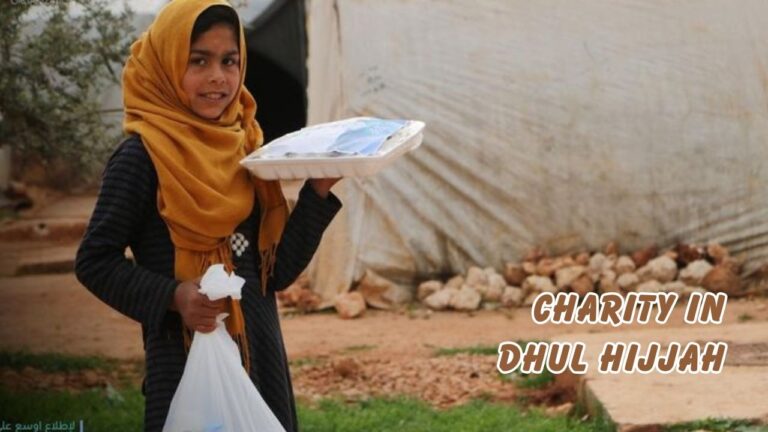
- Schedule charitable giving to coincide with the fast. Pair your worship with sadaqah. Many organizations including Islamic Relief UK provide automated donation tools that let you spread giving across the blessed ten days.
Pitfalls That Quietly Undermine Your Arafah Fast
Observing the fast is straightforward. Getting the full spiritual return from your fast means knowing which errors silently chip away at its value.
Reducing it to physical hunger. The entire spiritual architecture of this fast depends on intention (niyyah) and active worship. Simply skipping meals without engaging in prayer, supplication, or Quran recitation transforms an act of devotion into an empty dietary exercise.
Wasting the Dhuhr-to-Maghrib window. This is the golden interval the hours when pilgrims stand at Arafat and when, according to scholars, divine attention is most directly focused on accepting supplications. Sleeping through it or spending it on entertainment squanders the day’s most valuable block.
Gorging at iftar. Breaking your fast with a heavy, excessive meal not only contradicts the Sunnah practice of eating dates and water first it also disrupts the metabolic benefits your body accrued during the day. Moderation at iftar preserves both spiritual humility and physical gains.
Abandoning the fast over mild discomfort. A single voluntary fast lasts a matter of hours. Temporary hunger or fatigue is not grounds for breaking it. The two-year reward attached to this fast should serve as sufficient motivation to endure brief physical inconvenience.
Final Takeaway: An Unparalleled Annual Opportunity
Across the entire Islamic calendar, no voluntary act of worship delivers a spiritual return comparable to the Arafah fast relative to the effort it demands. One day of disciplined hunger and focused devotion roughly fourteen to eighteen hours depending on where you live purchases forgiveness spanning twenty-four months. Add to that the health benefits now documented in dozens of peer-reviewed trials, the emotional grounding of participating in a global communal ritual, and the personal clarity that accompanies a day spent in sincere reflection.
The Arafah fast is not merely a recommended practice. It is an annual gift a door that Allah opens once per year and invites every non-pilgrim to walk through.
Prepare early. Fast with purpose. Supplicate with sincerity. And share this guide with someone who might not yet know what they stand to gain.
Frequently Asked Questions (FAQ)
Is the Arafah fast mandatory or optional in Islam?
Fasting on the 9th of Dhul Hijjah is categorized as mustahabb strongly recommended but not obligatory. Imam An-Nawawi confirmed scholarly consensus on this classification in his commentary on Sahih Muslim. Skipping it carries no sin, though observing it offers an extraordinary two-year scope of forgiveness that few other voluntary deeds can match.
Does this fast erase major sins or only minor ones?
The prophetic narration specifically addressing this fast speaks to the expiation of sins across two years. However, Imam An-Nawawi clarified in Sharh Sahih Muslim that this applies to minor sins. Major sins demand a dedicated repentance process (tawbah) that includes acknowledging the sin, feeling genuine remorse, ceasing the behaviour immediately, and resolving firmly not to repeat it.
Why are Hajj pilgrims told not to fast on Arafah?
The Prophet (peace be upon him) did not fast during his own Hajj at Arafat, as confirmed through the narration of Umm al-Fadl in Sahih al-Bukhari. Scholars explain that the physical demands of standing in extreme heat for hours combined with travel and massive crowds make fasting impractical. The pilgrim’s primary obligation is supplication and presence, not hunger. A narration in Jami’ al-Tirmidhi notes that scholars recommended the fast for everyone except those physically at Arafat.
What supplication should I prioritize while fasting on this day?
The Prophet (peace be upon him) taught a specific dhikr for Arafah: “La ilaha illallahu wahdahu la sharika lahu, lahul-mulku wa lahul-hamdu wa huwa ‘ala kulli shay’in qadir” meaning there is no deity worthy of worship except Allah alone, without partner, to whom belongs all sovereignty and praise, and who holds power over everything. This is recorded in Muwatta Imam Malik. Beyond this, you are encouraged to pour out every personal request between Dhuhr and Maghrib the most potent hours.
Can a single day of fasting genuinely improve my health?
While most clinical studies examine repeated fasting patterns, the underlying biological mechanisms autophagy activation, insulin resensitization, lipid metabolism shifts engage during any period of caloric absence. A 2025 human study in The Journal of Physiology (PubMed) confirmed that intermittent nutrient restriction significantly increases autophagic flux, a primary marker of cellular repair. For healthy adults, a one-day fast poses minimal risk and offers measurable metabolic benefit.
Should I follow the Arafah date according to Makkah or my local moon sighting?
Scholars hold two legitimate positions. Ibn Taymiyyah and others argue that non-pilgrims should fast on the day pilgrims physically stand at Arafat, since the fast is named after the event, not the date. Other scholars maintain that each locality follows its own confirmed moon sighting. Both positions have strong evidential support, as detailed by Ink of Faith. Consult your local imam for the approach most appropriate to your community.