
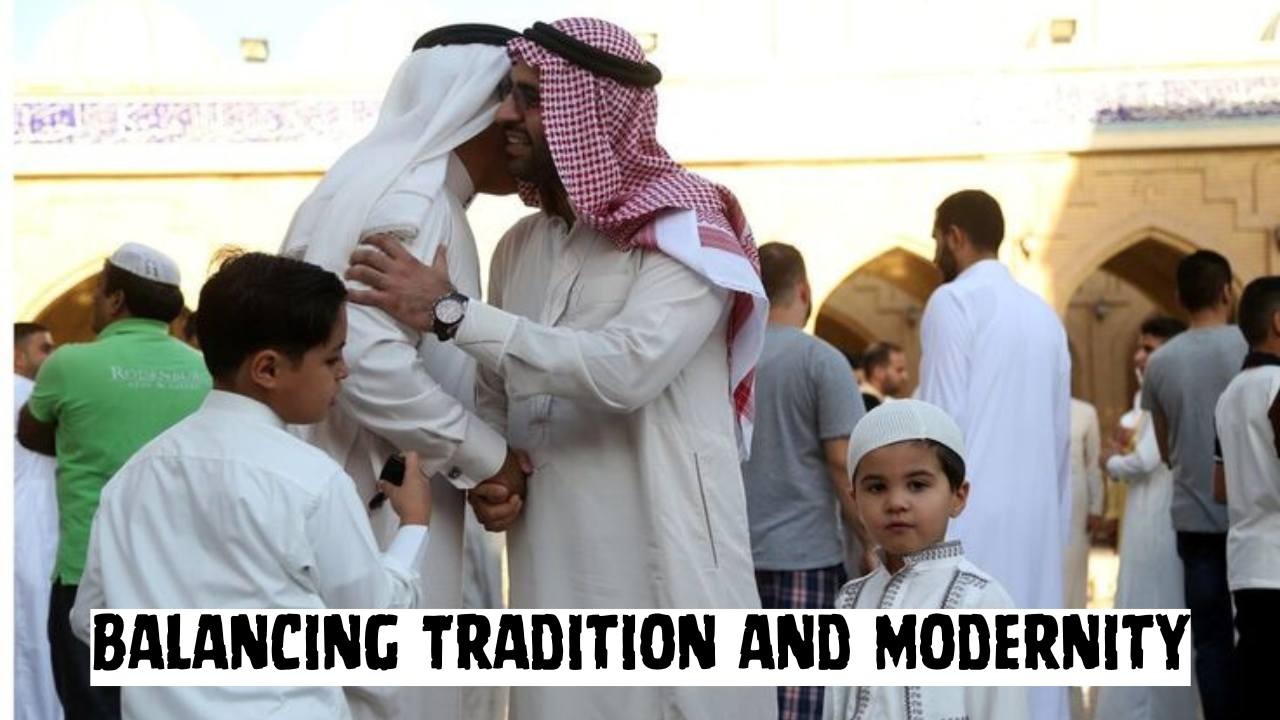
Balancing Tradition and Modernity in Today’s Society: Embrace Progress Mindfully
Balancing tradition and modernity is a challenge many face in today’s fast-changing world. As societies evolve, people often struggle to adopt new technologies, progressive values, and modern lifestyles while preserving their cultural heritage, family customs, and moral principles. This article explores practical ways to embrace progress without losing cultural roots, focusing on education, workplace ethics, lifestyle choices, and community engagement.
By understanding the importance of respecting traditions while welcoming innovation, readers can learn strategies to integrate old and new seamlessly. We will also discuss how modernization impacts social behavior, decision-making, and intergenerational relationships, offering tips for fostering harmony between past values and present demands. Whether you are a student, professional, or community member, this guide will help you maintain a thoughtful balance between your cultural identity and contemporary living.
Understanding Balancing Tradition and Modernity
Balancing tradition and modernity refers to the process of embracing new ideas, technologies, and lifestyles while preserving cultural heritage, family values, and social customs. It is about finding harmony between the old and the new, creating a life that respects past wisdom while engaging with contemporary trends. This balance is crucial in a world that is rapidly evolving, where modernization often clashes with established traditions. By understanding its meaning, individuals and communities can develop strategies to integrate change thoughtfully.
Historical Background and Evolution
Throughout history, societies have faced the challenge of adapting to progress while maintaining their cultural identity. From the industrial revolution to the digital age, modernization has reshaped how people live, work, and interact. Many civilizations successfully merged innovation with tradition. For instance, in countries like Japan and India, modern education systems and technology coexist alongside age-old festivals, rituals, and family customs. This coexistence demonstrates that embracing progress does not necessarily mean abandoning cultural roots.
Importance of Balancing Tradition and Modernity
The importance of balancing tradition and modernity cannot be overstated. It helps individuals and societies:
- Preserve cultural heritage while embracing innovation
- Maintain moral principles and family values in modern life
- Adapt to technological advancements without losing identity
- Foster intergenerational understanding and respect
- Enhance social cohesion and community engagement
This balance ensures that modernization enriches life without eroding meaningful customs and social practices.
Benefits of Balancing tradition and modernity
Personal Growth and Identity
When people successfully blend tradition and modernity, they develop a stronger sense of identity. Maintaining family customs, cultural rituals, and moral principles provides a sense of belonging. At the same time, embracing innovation and modern lifestyles fosters critical thinking, creativity, and adaptability. This combination equips individuals to face challenges confidently while staying rooted in their values.
Social Harmony and Community Engagement
Communities that uphold traditions while welcoming change experience enhanced social harmony. Celebrating festivals, preserving local art forms, and engaging in cultural education strengthens bonds. Integrating modern technology, inclusive policies, and progressive ideas encourages participation across generations. Examples include community centers offering workshops on both cultural practices and digital literacy, allowing residents to learn collectively.
Professional and Educational Advantages
Modern workplaces and educational institutions value skills that blend tradition and innovation. Respecting workplace ethics, demonstrating integrity, and understanding cultural norms complement professional competence. In education, students who appreciate cultural heritage alongside modern learning techniques often excel in collaborative, creative, and leadership roles. This balance prepares individuals to thrive in globalized and multicultural environments.
Challenges in Balancing Tradition and Modernity
Conflict Between Generations
One of the biggest challenges is the gap between generations. Younger individuals often adopt modern lifestyles rapidly, whereas older generations may prioritize established customs. Misunderstandings and conflicts may arise if the importance of both perspectives is not recognized.
Cultural Erosion and Modern Pressures
Rapid urbanization, technological advances, and social media can sometimes lead to cultural erosion. People may unknowingly abandon family traditions, moral practices, or local customs. To counter this, societies must encourage the preservation of cultural heritage through awareness campaigns, workshops, and community programs.
Practical Solutions to Overcome Challenges
- Encourage dialogue between generations to share perspectives
- Integrate cultural education into modern learning environments
- Promote ethical workplace practices alongside innovation
- Create community programs combining heritage and modern skills
- Use technology to preserve and showcase traditional arts and knowledge
Examples of Balancing Tradition and Modernity
In Daily Life and Lifestyle Choices
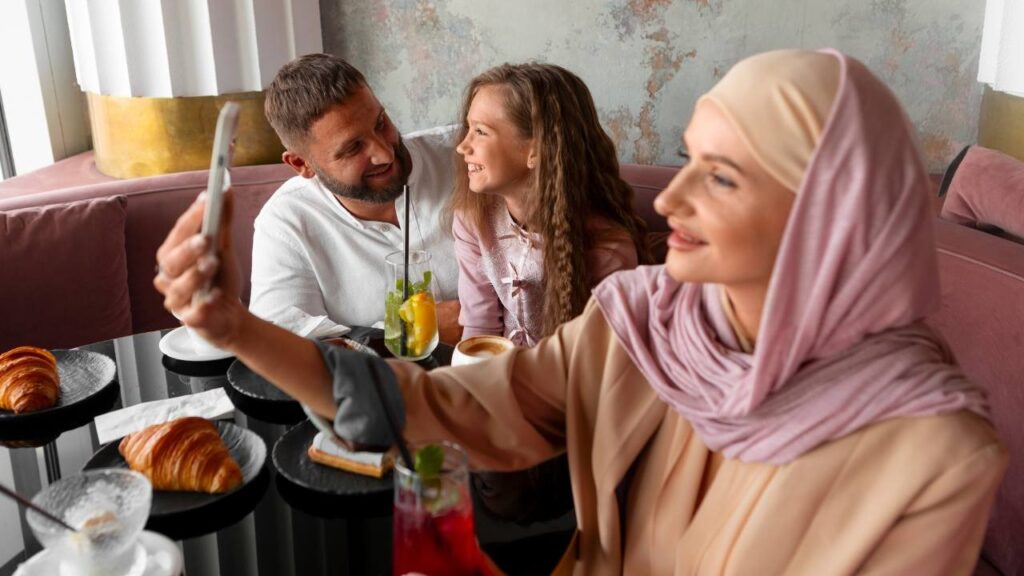
Individuals can maintain traditions while enjoying modern comforts. For instance, celebrating cultural festivals while using modern digital tools for organization, photography, or sharing experiences online allows tradition to thrive in contemporary contexts. Similarly, integrating traditional diets with modern nutrition knowledge enhances health without losing culinary heritage.
In Education and Career
Educational institutions can respect cultural heritage while introducing innovative teaching methods. Schools may teach classical literature alongside modern technology courses, combining moral lessons with digital literacy. Professionals can adopt modern management techniques while maintaining ethical workplace practices rooted in cultural values.
In Technology and Culture
Even technology can support tradition. Mobile applications preserve local languages, digital archives document art forms, and social media platforms showcase cultural events globally. This synergy illustrates that modernization can strengthen cultural identity rather than replace it.
Conclusion:
Balancing tradition and modernity is essential for creating a life that honors cultural heritage while embracing progress. By integrating family values, moral principles, and community engagement with modern lifestyles, education, and professional practices, individuals can achieve personal growth and social harmony. Understanding the importance of preserving traditions while adopting innovation ensures intergenerational respect and sustainable development. Embracing both the old and the new allows societies to thrive without losing their identity. Practicing this balance leads to enriched experiences, stronger relationships, and a future where cultural roots and contemporary life coexist seamlessly.