
The Powerful Benefits of Arafah Fasting Every Muslim Should Know
The benefits of Arafah fasting extend far beyond spiritual rewards, making this single day one of the most significant opportunities in the Islamic calendar. Observed on the 9th of Dhul Hijjah, this sacred fast holds immense importance for Muslims worldwide who are not performing Hajj. Prophet Muhammad (PBUH) described its virtue as a means of expiating sins from two entire years the previous year and the coming one.
This article explores why fasting on the Day of Arafah carries such profound significance, its spiritual and physical advantages, and how you can maximize this blessed opportunity. Whether you’re seeking forgiveness, spiritual purification, or a deeper connection with Allah, understanding the benefits of Arafah fasting can transform your worship. We’ll also discuss practical tips for observing this recommended Sunnah fast and its connection to the broader Dhul Hijjah blessings.

Understanding the Day of Arafah and Its Significance
The Day of Arafah represents the pinnacle of the Hajj pilgrimage, occurring on the 9th of Dhul Hijjah when pilgrims gather at Mount Arafah. For Muslims not performing Hajj, this day offers an extraordinary opportunity to earn immense rewards through fasting. Allah swears by this day in the Quran, highlighting its sacred status among all days of the Islamic year.
The benefits of Arafah fasting are rooted in authentic hadith where Prophet Muhammad (PBUH) stated that this fast expiates sins of the previous year and the coming year. This remarkable reward makes it one of the most virtuous voluntary fasts a Muslim can observe outside of Ramadan.
Historical Background of Arafah Fasting
The practice of fasting on Arafah dates back to the time of Prophet Muhammad (PBUH), who consistently encouraged this Sunnah among his companions. The day itself holds significance as the occasion when Allah perfected the religion of Islam and completed His favor upon the believers. This historical importance adds depth to understanding why observing this fast carries such profound spiritual weight.
Spiritual Rewards and Blessings
Expiation of Two Years of Sins
The most celebrated among the benefits of Arafah fasting is the forgiveness of sins spanning two complete years. According to Sahih Muslim, the Prophet (PBUH) explicitly mentioned this reward, making it an unparalleled opportunity for spiritual cleansing. This expiation covers minor sins, while major sins require sincere repentance alongside the fast.
Drawing Closer to Allah
Fasting on this blessed day strengthens your relationship with the Creator. The act of voluntary worship demonstrates sincere devotion and helps cultivate taqwa, which means God consciousness. Muslims who observe this fast often report feeling spiritually renewed and more connected to their faith.
Multiplication of Good Deeds
The first ten days of Dhul Hijjah are considered the best days for righteous actions. When you combine fasting with other acts of worship during this period, the benefits of Arafah fasting multiply significantly. Scholars emphasize that good deeds performed during these days are more beloved to Allah than those done at any other time.
Physical and Mental Health Advantages
Beyond spiritual rewards, fasting provides numerous health benefits that science continues to validate. The benefits of Arafah fasting extend to physical wellbeing through several mechanisms.
- Intermittent fasting promotes cellular repair and detoxification processes within the body
- Fasting supports healthy blood sugar management and enhances how your body responds to insulin
- Fasting encourages mental clarity and enhanced focus throughout the day
- The practice supports digestive system rest and overall gut health
- It cultivates self discipline and strengthens willpower for daily challenges
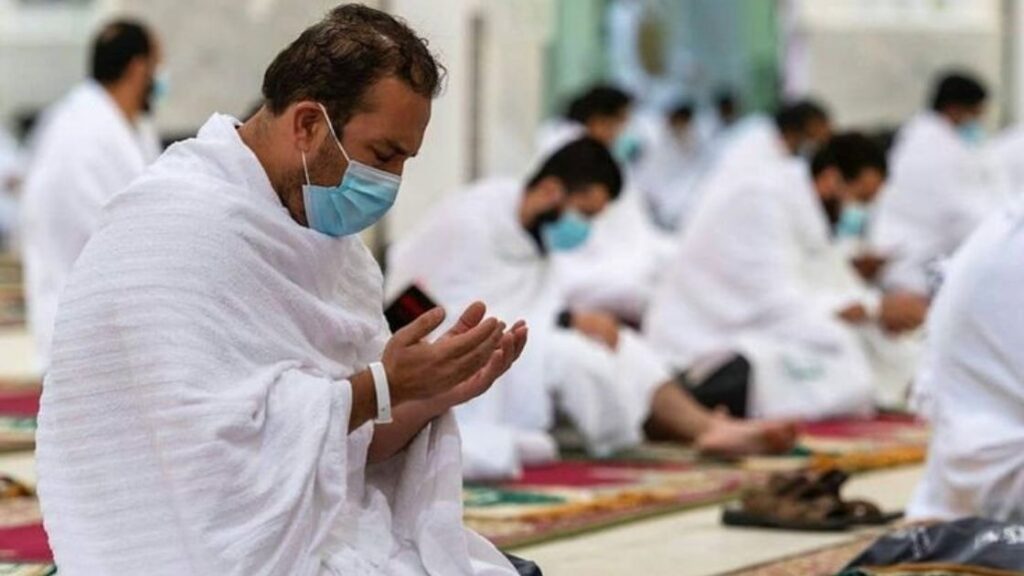
Emotional and Psychological Benefits
Observing this fast creates a sense of unity with millions of Muslims worldwide participating in the same act of worship. This collective spiritual experience fosters feelings of belonging and emotional fulfillment. The discipline required for fasting also builds mental resilience that benefits other areas of life.
How to Maximize Your Arafah Fast
Practical Tips for Observing the Fast
To fully experience the benefits of Arafah fasting, preparation and intention matter greatly. Starting with a sincere niyyah, or intention, sets the foundation for an accepted fast. Eating a nutritious suhoor helps maintain energy levels throughout the day.
Consider incorporating these practices to enhance your worship:
- Increase dhikr and remembrance of Allah throughout the day
- Recite Quran and reflect upon its meanings during fasting hours
- Make abundant dua especially during the last hours before Maghrib
- Engage in istighfar seeking forgiveness for past shortcomings
- Spend time in quiet contemplation and spiritual reflection
Common Mistakes to Avoid
Some Muslims unintentionally diminish their rewards by engaging in idle talk or wasting time on entertainment. The benefits of Arafah fasting are best preserved by guarding your tongue, avoiding arguments, and maintaining a peaceful demeanor. Focus on worship rather than simply abstaining from food and drink.
Who Should Fast on the Day of Arafah
This recommended fast applies to all able Muslims who are not performing Hajj that year. Those on pilgrimage should not fast as they need strength for the demanding rituals ahead. Individuals with health conditions, pregnant women, nursing mothers, and travelers have valid exemptions from fasting.
The benefits of Arafah fasting remain accessible to everyone who sincerely intends to observe this blessed Sunnah. Even if circumstances prevent fasting, engaging in other forms of worship on this day brings tremendous rewards and blessings from Allah.
Conclusion
The benefits of Arafah fasting offer Muslims an exceptional opportunity to earn forgiveness, strengthen their faith, and experience spiritual renewal. This single day of voluntary worship can expiate sins from two entire years, making it one of the most rewarding Sunnah practices outside Ramadan. Beyond spiritual rewards, fasting promotes physical health, mental discipline, and emotional wellbeing.
As the 9th of Dhul Hijjah approaches, prepare your heart and intention to embrace this blessed occasion. Whether seeking forgiveness, closer connection to Allah, or personal growth, the benefits of Arafah fasting provide a transformative experience that every Muslim should prioritize in their annual worship routine.