Practical Guide to Parenting According to Islam With Spiritual and Moral Principles
Parenting according to Islam provides a comprehensive framework for raising children with strong moral values, spiritual awareness, and emotional resilience. Grounded in Quranic teachings and the practices of Prophet Muhammad, it emphasizes ethical guidance, responsibility, compassion, and respect within the family.
This article offers a practical guide on how parents can implement these principles in daily life, covering moral education, faith-based practices, emotional nurturing, family bonding, and ethical decision-making. By integrating spiritual and moral teachings with practical strategies, parents can create harmonious households where children develop character, empathy, and social responsibility. Following these timeless guidelines helps families navigate modern challenges while preserving faith, ethical integrity, and strong family connections.
Understanding Parenting According to Islam
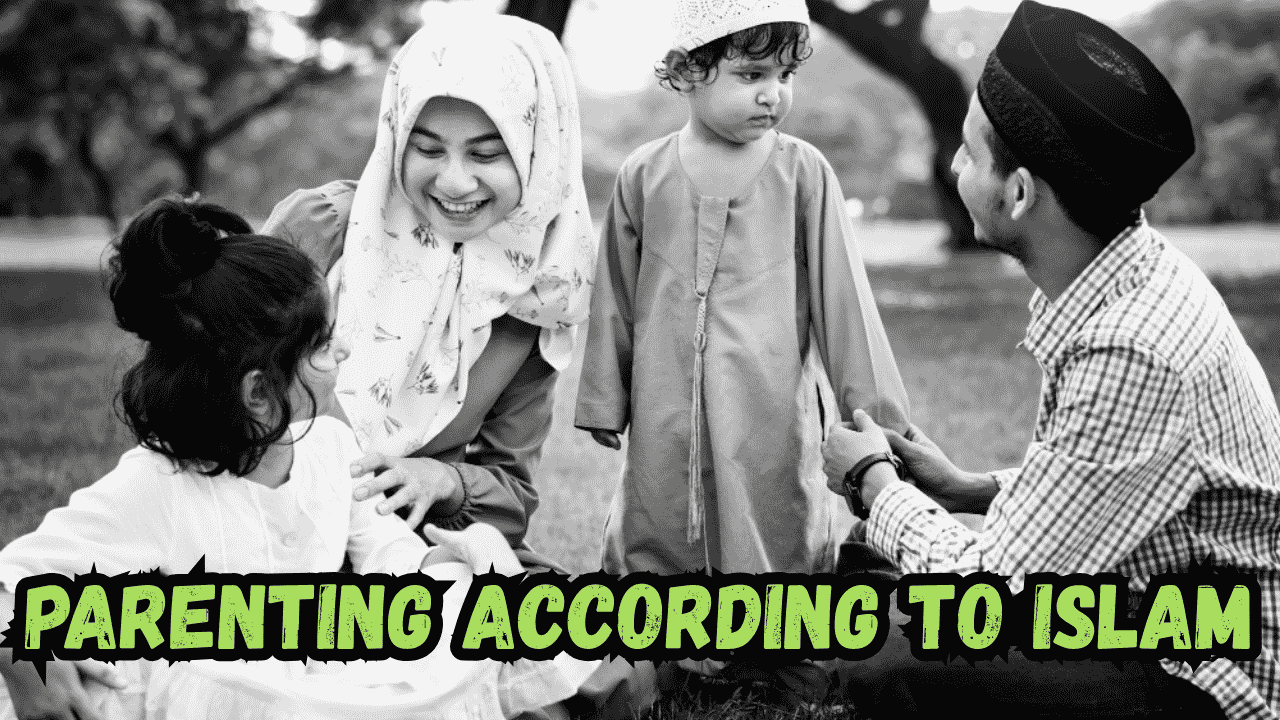
Parenting according to Islam is a holistic approach that combines spiritual guidance, ethical principles, and practical strategies to raise well-rounded and morally conscious children. The Quran and the teachings of Prophet Muhammad provide a framework that emphasizes respect, compassion, responsibility, and accountability within the family unit. Historically, Islamic scholars have highlighted parenting as a sacred duty, where nurturing children’s character, faith, and social awareness is considered a form of worship. By integrating these timeless principles with everyday practices, parents can cultivate environments where children grow emotionally resilient, morally grounded, and socially responsible. This balance ensures that families remain cohesive while preparing children to face modern challenges with wisdom and integrity.
Spiritual and Moral Foundations
Faith as a Guiding Principle
Faith lies at the core of parenting according to Islam, guiding both parents and children in their daily actions. Regular prayer, recitation of Quranic verses, and reflection on moral teachings provide a foundation for ethical and spiritual development. Parents are encouraged to model patience, honesty, and compassion, ensuring that children internalize these virtues naturally. Faith-based guidance fosters accountability, empathy, and moral clarity, helping children understand the significance of their actions and their responsibilities toward God, family, and society. By embedding spiritual practices into daily routines, families create a strong ethical framework that supports character development and harmonious relationships.
Teaching Moral and Ethical Values
Moral and ethical education is a cornerstone of parenting according to Islam. Children are taught principles such as honesty, humility, respect, justice, and compassion through consistent guidance, role modeling, and storytelling. Ethical instruction is not limited to theoretical lessons but is reinforced through real-life examples and practical experiences within the household. Parents emphasize responsibility for one’s actions and encourage children to make morally sound choices in interactions with peers, siblings, and the broader community. This approach ensures that moral development becomes a lived experience, preparing children to navigate social, academic, and personal challenges while remaining grounded in faith and ethical principles.
Emotional Nurturing and Family Bonds
Building Strong Parent-Child Relationships
Emotional wellbeing is essential in parenting according to Islam, as it directly impacts a child’s confidence, resilience, and social skills. Parents are encouraged to provide consistent support, active listening, and validation of feelings, creating a secure environment where children feel understood and valued. Emotional connection strengthens the absorption of ethical and spiritual teachings, as children are more likely to internalize values when they feel emotionally supported. Families that prioritize emotional nurturing experience enhanced communication, reduced conflict, and stronger bonds, which contribute to a harmonious and cohesive household.
Respecting Intergenerational Roles
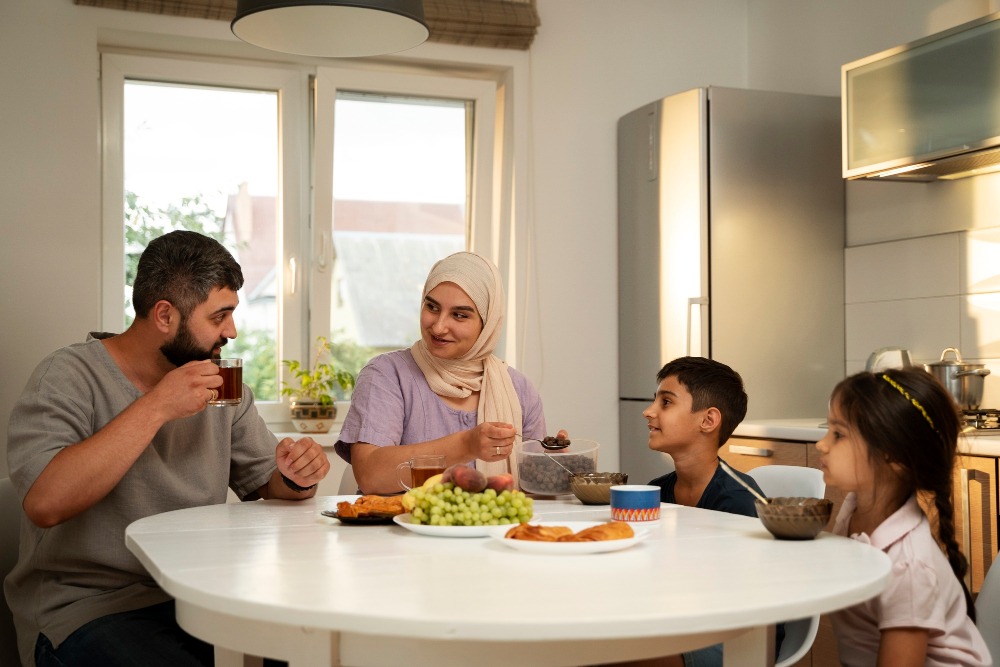
A key feature of Islamic parenting is the emphasis on intergenerational respect and guidance. Elders contribute wisdom, life experience, and moral instruction, while younger members offer care, cooperation, and understanding. This dynamic preserves cultural and religious traditions while teaching children social responsibility, empathy, and proper etiquette. Through shared rituals, family gatherings, and storytelling, values and ethical teachings are reinforced, ensuring that children benefit from both spiritual guidance and practical life lessons that foster strong character and family unity.
Practical Principles of Parenting According to Islam
Implementing parenting according to Islam requires applying practical principles that integrate moral, spiritual, and emotional guidance into everyday life. These principles help maintain structure, consistency, and harmony within the household while fostering ethical and emotionally healthy children.
- Establish daily routines that include prayer, Quranic reflection, education, and family activities to reinforce discipline and faith.
- Provide ethical and moral guidance consistently through example, storytelling, and reflective discussion.
- Encourage open communication and active listening to strengthen trust and emotional resilience.
- Model behavior that demonstrates patience, empathy, respect, and accountability in all household interactions.
- Support children’s education, personal growth, and social development while maintaining adherence to Islamic principles.
Applying these principles consistently ensures that children internalize spiritual, ethical, and emotional lessons naturally, creating a nurturing and cohesive family environment that promotes lifelong personal development.
Benefits of Parenting According to Islam
The benefits of parenting according to Islam extend to both children and families. Children raised with spiritual and moral guidance often develop empathy, strong ethical reasoning, and a sense of social responsibility. They are better equipped to face modern challenges while maintaining emotional stability and moral clarity. Families experience stronger cohesion, improved communication, and a nurturing environment that supports resilience and personal growth. Additionally, this approach preserves religious and cultural heritage, ensuring that children grow with a clear understanding of their faith, ethical responsibilities, and the importance of contributing positively to society.
Challenges and Modern Considerations
Contemporary challenges, such as exposure to technology, peer pressure, and evolving social norms, present obstacles for parenting according to Islam. Balancing traditional guidance with modern demands requires flexibility, informed strategies, and proactive engagement. Parents must navigate behavioral issues, academic pressures, and social influences while maintaining the integrity of spiritual and moral instruction. Families that consciously integrate Quranic teachings with practical parenting strategies can overcome these challenges successfully, ensuring that children grow with strong character, ethical clarity, and emotional resilience while preserving faith and family harmony.
Contemporary Relevance and Application
Parenting according to Islam remains highly relevant in modern society, offering practical guidance for raising children with balanced spiritual, ethical, and emotional development. Integrating moral instruction, faith-based practices, and emotional support equips children to navigate contemporary challenges responsibly. Families that consistently apply these principles cultivate empathy, responsibility, and resilience in children while maintaining household cohesion. By embedding Quranic teachings into daily life, parents create environments where children develop strong character, social awareness, and spiritual grounding, ensuring that faith, ethics, and emotional wellbeing guide them toward purposeful and responsible adulthood.
Conclusion
Parenting according to Islam offers a timeless framework for raising children with strong moral values, spiritual awareness, and emotional resilience. By combining faith-based teachings, ethical guidance, and emotional nurturing, families can create harmonious households where children develop responsibility, empathy, and respect. Applying these principles consistently strengthens intergenerational bonds, preserves cultural and spiritual traditions, and equips children to face modern challenges successfully. Ultimately, parenting according to Islam provides practical strategies for nurturing well-rounded, morally conscious, and compassionate individuals who contribute positively to both their families and society.