
The Role of Muslim Family Life in Strengthening Values, Harmony, and Character
Muslim family life plays a fundamental role in shaping individuals’ values, moral character, and overall harmony within the household. Rooted in Islamic teachings and enriched by cultural traditions, it emphasizes respect, responsibility, and compassion among spouses, parents, and children.
This article explores how family structures, spiritual guidance, and ethical practices influence daily interactions, parenting methods, and relationship building. It also highlights the importance of emotional support, intergenerational bonds, moral education, conflict resolution, and social responsibility in nurturing well-rounded individuals. By combining faith-based principles with practical guidance, Muslim families can maintain unity, cultivate strong character, and foster harmonious environments that prepare children to navigate modern life while staying grounded in ethics and spiritual values.

Understanding Muslim Family Life
Muslim family life represents a comprehensive framework where faith, moral guidance, and social responsibilities converge to create a harmonious household. At its core, the family is viewed as a sacred institution responsible for nurturing ethical behavior, spiritual awareness, and emotional wellbeing. Rooted in Quranic teachings and the practices of the Prophet Muhammad, this structure emphasizes mutual respect, compassion, and accountability among all members. Historically, Muslim communities have relied on these principles to maintain strong intergenerational bonds, preserve cultural traditions, and foster environments where children grow with clarity in morals and social conduct. By integrating spiritual guidance with practical life lessons, families cultivate strong character, social awareness, and resilience that extend into broader society.
Spiritual and Ethical Foundations
Faith as the Core
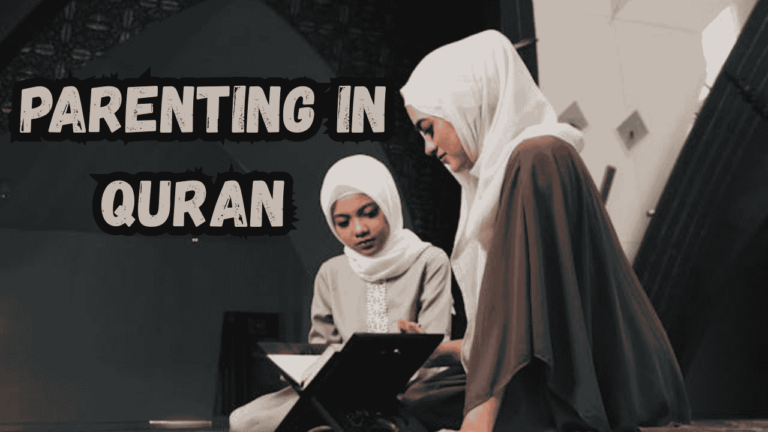
Faith is the cornerstone of Muslim family life, guiding decisions, behaviors, and relationships within the household. Daily practices such as prayer, reading Quranic verses, and observing ethical principles are designed to instill moral clarity and discipline. Parents serve as role models, demonstrating patience, honesty, and devotion in both minor and major aspects of life. This spiritual engagement ensures that children understand the connection between their actions and divine guidance, creating a strong ethical framework. Incorporating faith into daily routines fosters respect, empathy, and responsibility, helping families navigate challenges while maintaining spiritual balance and moral integrity.
Moral Development and Ethical Guidance
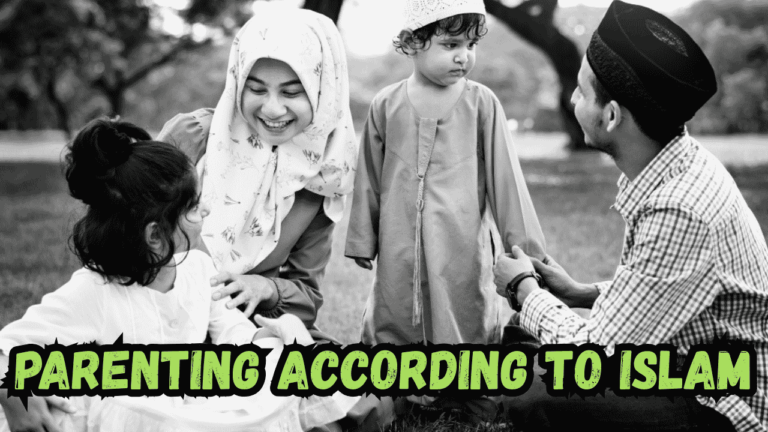
Moral upbringing is central to raising children in a Muslim family life context. Values such as honesty, humility, compassion, and fairness are emphasized consistently through daily interactions, storytelling, and lived examples. Parents teach accountability for one’s actions and highlight the importance of ethical behavior both within the home and in society. Children learn to differentiate right from wrong, respect others, and uphold justice, which prepares them to face modern societal pressures without compromising their ethical foundations. Integrating these lessons with spiritual practice ensures children develop both character and conscience, forming the basis for responsible adulthood.
Emotional and Social Dimensions
Building Strong Relationships
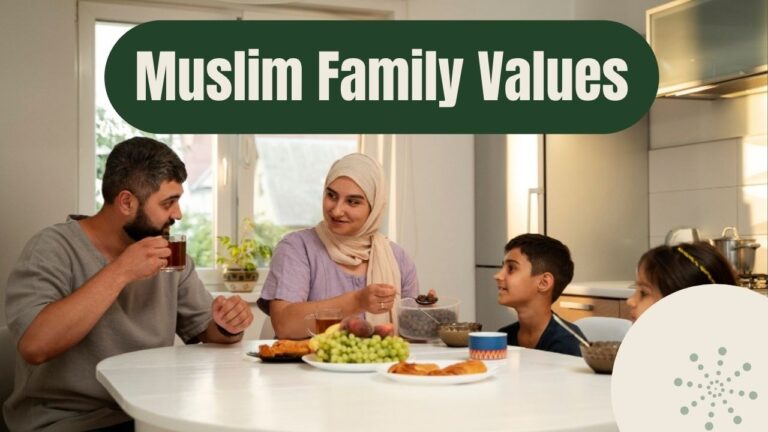
Emotional support is a critical aspect of Muslim family life. Strong parent-child relationships, mutual understanding between spouses, and respect for elders create a nurturing environment. Children benefit from open communication, empathy, and consistent guidance, which enhances self-confidence and emotional resilience. Families that invest in emotional wellbeing also develop cooperative problem-solving skills, stronger bonds, and reduced conflicts. Emotional nurturing reinforces spiritual and ethical teachings, allowing children to internalize values while feeling secure and valued.
Intergenerational Connections
Maintaining intergenerational bonds is another defining feature of Muslim households. Elders provide wisdom, guidance, and cultural continuity, while younger members offer care, energy, and respect. These interactions preserve family traditions, moral lessons, and faith-based practices. By actively engaging with older generations, children learn responsibility, empathy, and social etiquette, which strengthens both character and household harmony. Intergenerational guidance ensures that family values are not only preserved but applied effectively in contemporary life.
Practical Principles for Effective Muslim Family Life
To understand how Muslim family life operates practically, it is important to examine key principles that guide daily interactions and decision-making. These principles provide structure, clarity, and consistency, ensuring families remain cohesive and values-driven.
- Establish routines incorporating prayer, education, and family activities to instill discipline and spiritual awareness.
- Provide consistent moral and ethical guidance through discussion, modeling, and reflection.
- Promote open communication and active listening to enhance emotional trust and problem-solving.
- Model positive behavior, patience, empathy, and respect in all household interactions.
- Encourage personal development, responsibility, and social engagement while maintaining faith-based values.
Applying these principles helps families manage conflicts, foster emotional wellbeing, and cultivate an environment where children internalize moral and spiritual teachings naturally.
Benefits and Positive Outcomes
The advantages of Muslim family life extend to both individual and communal levels. Children raised within these structures often exhibit strong character, empathy, and social responsibility. They develop resilience, ethical clarity, and a sense of purpose, which supports personal and academic growth. Families benefit from stronger cohesion, improved communication, and supportive networks that reduce stress and encourage harmonious living. Additionally, preserving spiritual and cultural traditions helps children remain grounded while navigating contemporary challenges. Overall, Muslim family life provides a framework for raising responsible, compassionate, and morally conscious individuals who contribute positively to society.
Challenges and Contemporary Considerations
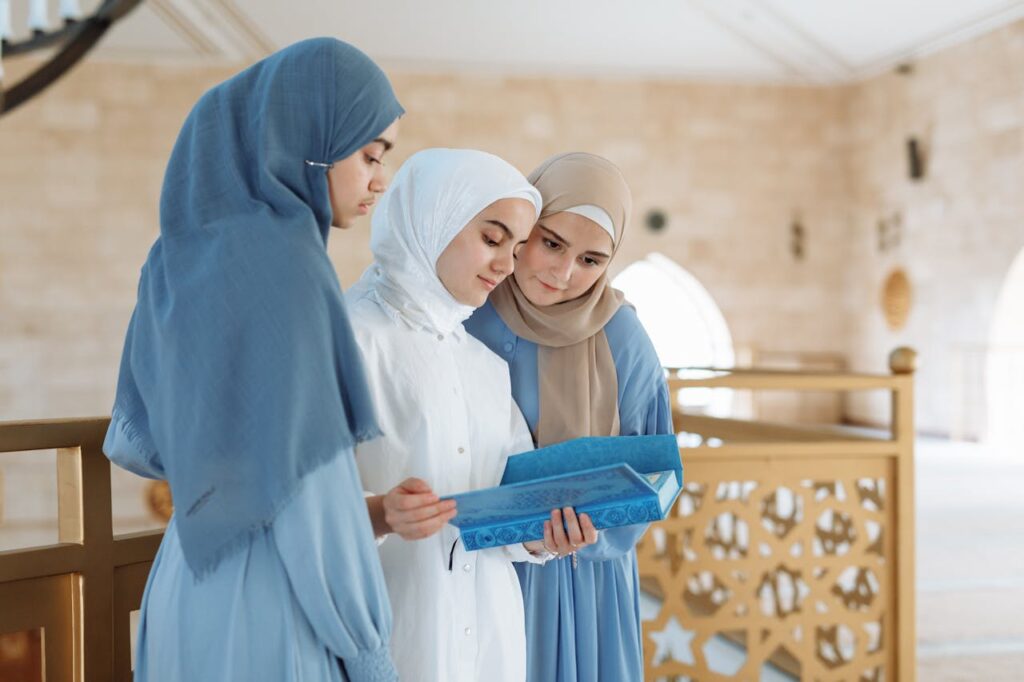
Modern life presents unique challenges to Muslim family life, including digital distractions, shifting social norms, and economic pressures. Maintaining traditions while adapting to contemporary demands requires open dialogue, flexibility, and informed decision-making. Parents must balance discipline with emotional support and address behavioral issues, educational needs, and peer influences. Families that consciously apply Islamic teachings with practical strategies can overcome these challenges without compromising moral, spiritual, or emotional integrity. Awareness of modern pressures combined with adherence to core family values ensures resilience, harmony, and effective upbringing of children in diverse and evolving environments.
Relevance and Application Today
In today’s world, Muslim family life remains highly relevant as it provides guidance for nurturing ethical, emotionally healthy, and spiritually grounded individuals. Integrating spiritual, moral, and practical principles helps parents address contemporary challenges while preserving family cohesion. Strong families encourage empathy, accountability, and personal growth, preparing children to navigate modern society responsibly. By applying these timeless teachings in daily life, households maintain harmony, strengthen character development, and foster meaningful intergenerational connections, ensuring that faith, ethics, and family values continue to shape future generations effectively.
Conclusion
Muslim family life serves as a vital framework for nurturing values, character, and harmony within households. By integrating faith, moral guidance, and emotional support, families create environments that foster respect, responsibility, and empathy among children and adults alike. These practices help strengthen intergenerational bonds, encourage ethical behavior, and provide resilience in facing modern challenges. Consistently applying these principles ensures that households remain cohesive, spiritually grounded, and socially responsible. Ultimately, Muslim family life continues to guide families in building ethical, compassionate, and well-rounded individuals who contribute positively to both family and society.