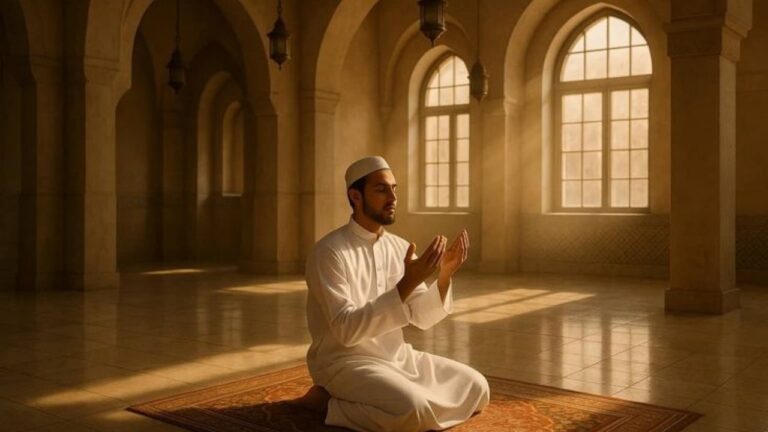
Exploring the Modern Islamic Lifestyle Balancing Faith, Culture, and Daily Life
The modern Islamic lifestyle is a dynamic blend of tradition and contemporary living, offering guidance on faith, ethics, and personal growth. In today’s fast-paced world, Muslims strive to maintain spiritual practices while engaging with modern culture, technology, and social responsibilities.
This article delves into how Islamic values shape daily routines, family life, dietary habits, and ethical decision-making, highlighting practical ways to integrate religion seamlessly into contemporary life. Readers will gain insights into modest fashion, halal living, spiritual mindfulness, and community engagement, showing how faith and modernity can coexist harmoniously. By exploring real-life examples and expert perspectives, this guide aims to inspire a balanced, fulfilling, and authentic Islamic lifestyle for today’s generation.
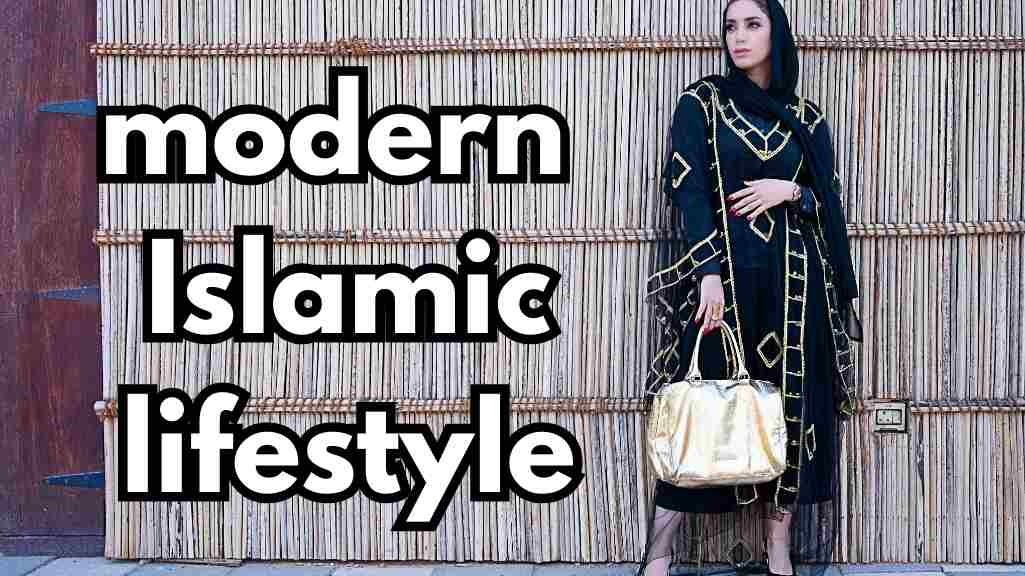
Understanding the Modern Islamic Lifestyle
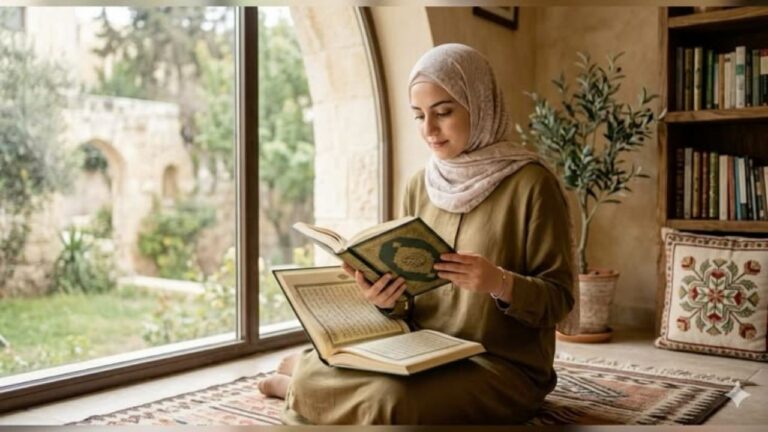
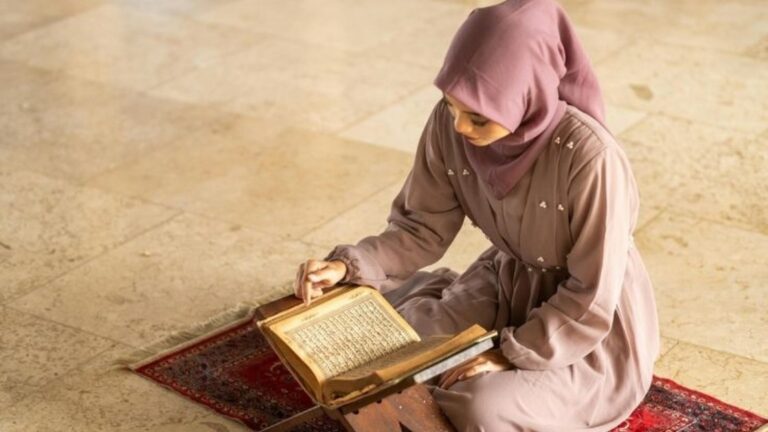
The modern Islamic lifestyle reflects a balance between faith and contemporary living. It is not only about adhering to religious rituals but also integrating Islamic principles into daily routines, career choices, social interactions, and personal growth. This lifestyle encourages Muslims to maintain spiritual values while adapting to global cultural trends, technology, and social responsibilities. By understanding its foundation, individuals can live a life that is both spiritually fulfilling and socially relevant.
Historical Background and Evolution
Islamic traditions have always emphasized moderation, ethical conduct, and community well-being. Over centuries, Muslims have adapted these principles to evolving social, political, and economic contexts. The modern Islamic lifestyle emerged as a response to globalization, urbanization, and modern education. It blends classical teachings with contemporary needs, offering guidance for young professionals, families, and communities navigating modern challenges while staying true to their faith.
Key Features of a Modern Islamic Lifestyle
Several features define this lifestyle, helping individuals incorporate faith into everyday life:
- Prioritizing spiritual practices alongside work and social life
- Following halal dietary and consumption habits
- Dressing modestly yet fashionably to reflect personal and religious values
- Engaging in community service and charitable activities
- Balancing family responsibilities with personal growth
These practices help maintain a structured life that respects Islamic ethics while embracing modern opportunities.
Importance and Benefits
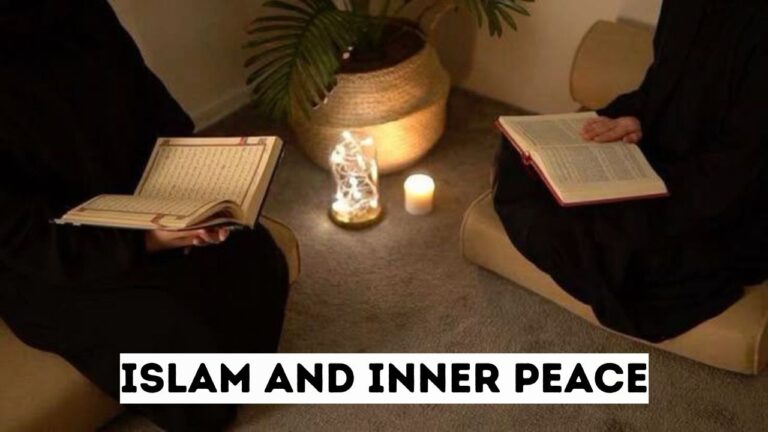
Adopting a modern Islamic lifestyle offers numerous advantages. It strengthens personal faith, promotes mental well-being, and fosters ethical decision-making. Integrating spiritual practices into daily routines enhances mindfulness and self-discipline. Additionally, this lifestyle encourages social responsibility through community involvement and charitable acts. On a personal level, it provides clarity in career choices, financial management, and interpersonal relationships, ensuring that decisions align with both religious values and contemporary standards.
Practical Steps to Adopt This Lifestyle
Incorporating a modern Islamic lifestyle requires conscious effort and practical steps. Here are five key actions to consider:
- Establish a daily routine that includes prayer, reflection, and self-improvement
- Make mindful dietary choices by adhering to halal principles
- Prioritize ethical consumption in fashion, finance, and technology
- Engage actively in community programs and social initiatives
- Educate yourself continuously about Islamic teachings and modern trends
By following these steps, individuals can seamlessly integrate faith into their professional and personal lives.
Challenges and How to Overcome Them
While the modern Islamic lifestyle is rewarding, it comes with challenges. Balancing work demands, social expectations, and spiritual obligations can be overwhelming. Exposure to conflicting cultural norms and materialistic trends may create dilemmas in decision-making. To overcome these challenges, one can:
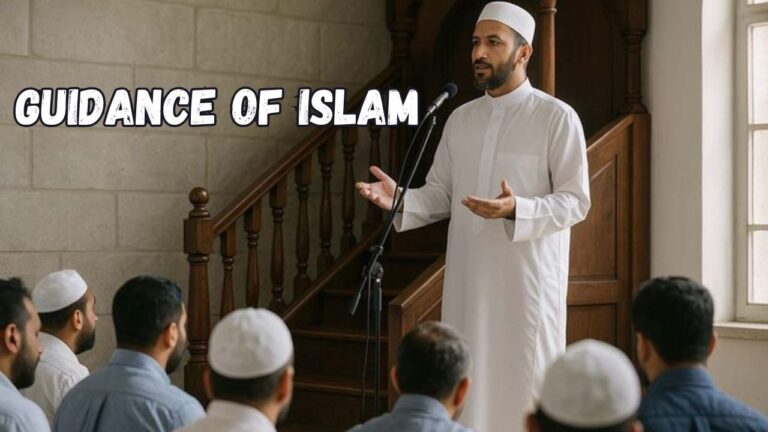
- Seek mentorship from knowledgeable community leaders
- Use technology for Islamic learning and reminders
- Set realistic personal and professional goals aligned with faith
- Develop supportive social networks with like-minded individuals
- Practice patience and self-reflection to maintain consistency
These strategies ensure a sustainable and fulfilling lifestyle without compromising core beliefs.
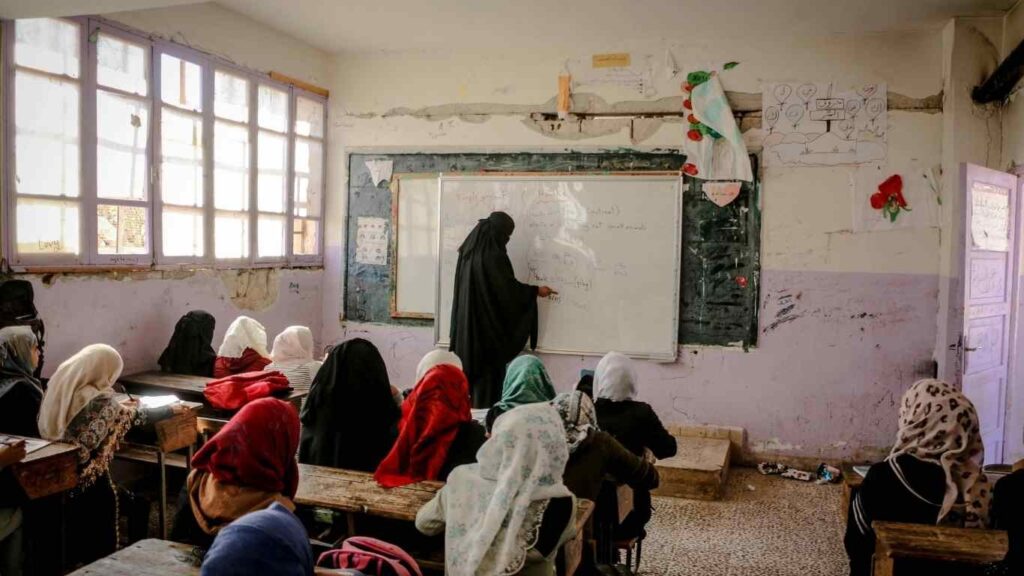
Types and Variations
The modern Islamic lifestyle is not uniform; it varies according to region, culture, and personal preferences. Some common categories include:
- Urban professional lifestyle focusing on career growth and social responsibility
- Family-centered lifestyle emphasizing parenting, household management, and education
- Spiritual minimalist lifestyle prioritizing devotion, reflection, and ethical consumption
- Youth-oriented lifestyle balancing education, social media, and peer interactions
- Entrepreneurial lifestyle integrating Islamic ethics into business practices
Each type adapts the principles of Islam to fit contemporary contexts, allowing flexibility while maintaining religious integrity.
Tips for a Balanced Life
Achieving balance in a modern Islamic lifestyle requires awareness, discipline, and planning. Some useful tips include:
- Schedule prayer and spiritual reflection throughout the day
- Choose modest fashion that is both comfortable and contemporary
- Incorporate halal eating habits into family and social gatherings
- Engage in continuous learning about Islamic values and modern trends
- Use technology mindfully for productivity and ethical purposes
These practical tips support consistency and help avoid stress while maintaining faith-centered routines.
Real-Life Examples and Use Cases
Many individuals successfully embrace a modern Islamic lifestyle by integrating tradition with contemporary living. For example, young professionals manage their careers while attending weekly community service programs. Families plan halal meals while incorporating global cuisines. Entrepreneurs establish businesses that adhere to Islamic finance principles while competing in modern markets. Students leverage online learning platforms to balance education and religious studies. These examples demonstrate that a modern Islamic lifestyle is adaptable, practical, and achievable across various contexts.
Recommendations for Long-Term Sustainability
For long-term success, it is important to approach the modern Islamic lifestyle with patience and commitment. Experts recommend:
- Continuously updating knowledge on both Islamic teachings and contemporary trends
- Creating routines that blend work, family, and spiritual obligations
- Building supportive communities for accountability and encouragement
- Regularly reflecting on personal growth and ethical alignment
- Embracing flexibility without compromising core Islamic principles
Implementing these recommendations ensures that individuals can maintain a modern Islamic lifestyle that respects both faith and modernity.
Conclusion
Adopting a modern Islamic lifestyle allows individuals to harmoniously blend faith with contemporary living, ensuring spiritual growth, ethical behavior, and personal well-being. By prioritizing halal living, modest fashion, family responsibilities, and community involvement, one can maintain balance in a fast-paced world. Practical steps, mindful routines, and continuous learning help overcome challenges while integrating faith into daily life. This lifestyle not only strengthens self-discipline and mindfulness but also promotes social responsibility and ethical decision-making, making it a fulfilling and sustainable approach for individuals seeking a meaningful, modern life rooted in Islamic principles.