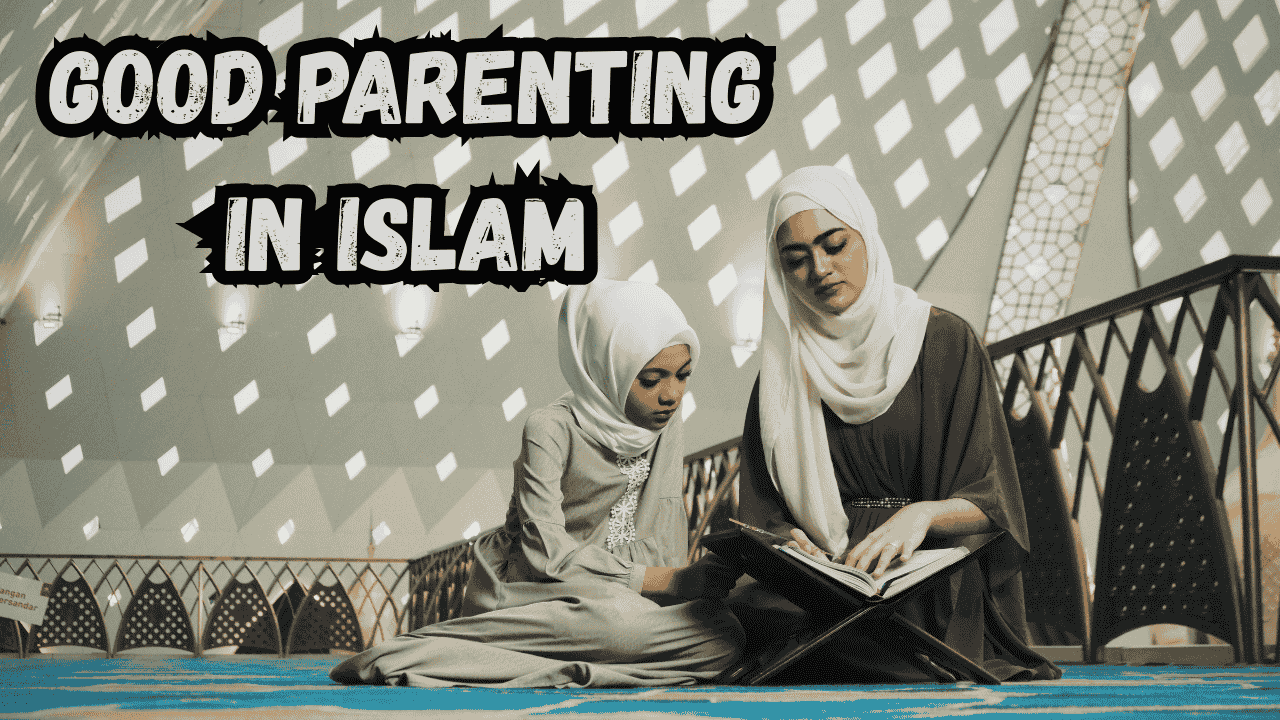
Good Parenting in Islam: Spiritual, Emotional, and Ethical Approaches for Families
Good parenting in Islam plays a vital role in shaping children’s character, values, and overall development, combining spiritual guidance with practical life lessons. Rooted in Quranic teachings and the Prophet’s traditions, it emphasizes nurturing moral integrity, emotional resilience, and social responsibility from an early age.
This article explores how parents can balance faith, discipline, compassion, and ethical instruction to create a supportive and harmonious household. It also highlights the importance of emotional connection, moral education, spiritual practices, communication skills, and consistent guidance in raising well-rounded children. By integrating timeless Islamic principles with everyday parenting strategies, families can cultivate respect, empathy, and strong ethical foundations that guide children toward responsible and fulfilling lives.
Understanding Good Parenting in Islam
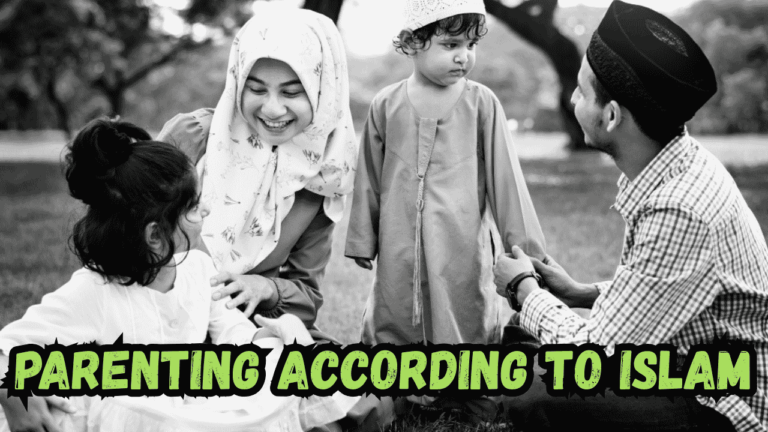
Good parenting in Islam is a holistic approach that combines spiritual guidance, moral development, and emotional nurturing to raise well-rounded children. Rooted in the Quran and the teachings of Prophet Muhammad, it emphasizes responsibility, compassion, and ethical conduct in family life. Parenting is viewed not only as a duty but also as a form of worship, where guiding children toward righteousness and character excellence is a continuous process. Historically, Muslim scholars and communities have highlighted the importance of balancing discipline with kindness, education with moral instruction, and spiritual growth with practical life skills. By understanding these principles, parents can create a nurturing environment that instills respect, empathy, and faith-based values in their children.
Spiritual Foundations of Parenting
Faith-Based Guidance in Daily Life
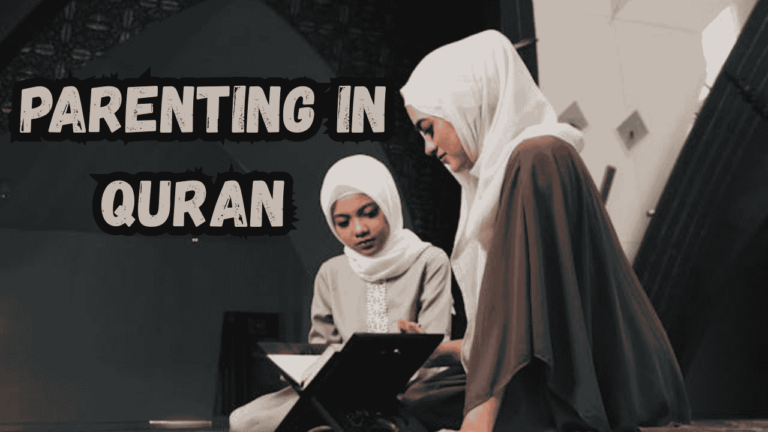
Spiritual guidance forms the backbone of good parenting in Islam. Children are introduced to faith through prayer, storytelling from the Quran, and observing ethical conduct demonstrated by parents. This daily practice helps instill a sense of purpose, accountability, and moral awareness. Parents who model patience, honesty, and devotion create an environment where faith becomes integrated into everyday decisions and behaviors. By reinforcing religious teachings alongside practical lessons, children learn to connect their actions to spiritual principles, ensuring a strong foundation for ethical and responsible adulthood.
Moral and Ethical Upbringing
Moral instruction is central to Islamic parenting. Children are taught virtues such as honesty, humility, respect, and empathy from an early age. Parents emphasize the importance of doing good deeds, maintaining fairness, and fulfilling responsibilities toward others. Ethical behavior is reinforced through consistent guidance, gentle correction, and positive role modeling. By practicing these teachings within the family, children develop the skills needed to navigate social interactions, make moral choices, and uphold ethical standards in school, community, and later in their own families.
Emotional Nurturing in Islam
Building Trust and Connection
Emotional wellbeing is a key component of good parenting in Islam. Children thrive when they feel loved, understood, and supported. Parents are encouraged to actively listen, validate feelings, and provide guidance with patience. Establishing trust and open communication strengthens parent-child relationships, reduces anxiety, and fosters self-confidence. Emotional nurturing also teaches children to respond to challenges with resilience, empathy, and a sense of responsibility toward others.
Positive Reinforcement and Guidance
Encouraging children through recognition of achievements, constructive feedback, and consistent moral instruction builds both confidence and ethical awareness. Rather than relying solely on punishment, Islamic parenting emphasizes guidance, dialogue, and mentorship. This approach ensures that children internalize values deeply, rather than simply complying out of fear. Emotional support and positive reinforcement work together to cultivate well-adjusted, morally grounded, and spiritually aware individuals.
Practical Principles of Good Parenting in Islam
Implementing good parenting in Islam involves applying clear principles that integrate faith, ethics, and practical guidance into everyday life. These principles help maintain balance between discipline and affection, moral instruction and daily responsibilities.
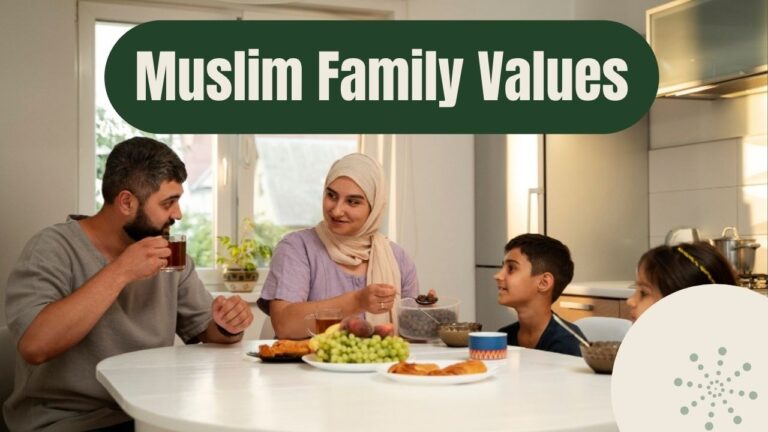
- Establishing routines that include prayer, study, and family activities to reinforce faith and structure.
- Providing consistent moral and ethical guidance through storytelling, real-life examples, and reflection.
- Encouraging open communication and active listening to build emotional trust and resilience.
- Modeling positive behavior, patience, empathy, and respect in all household interactions.
- Supporting education and personal growth while instilling responsibility, accountability, and social awareness.
When these principles are applied consistently, children learn to balance spiritual, moral, and emotional aspects of life. Families benefit from stronger relationships, reduced conflicts, and a harmonious household where faith and ethical guidance remain central.
Benefits of Good Parenting
The advantages of good parenting in Islam are far-reaching. Children raised with faith-based guidance often exhibit strong character, empathy, and a sense of social responsibility. They develop moral clarity, emotional stability, and resilience to challenges, both in childhood and later adulthood. Families that prioritize ethical instruction, spiritual practices, and emotional connection tend to have stronger cohesion, better communication, and a supportive environment that fosters personal growth. Good parenting practices also help preserve cultural and religious traditions, allowing children to navigate modern society while remaining grounded in their identity and values.
Challenges and Modern Considerations
Modern life presents unique challenges for Islamic parenting, including exposure to digital media, peer pressure, and rapidly changing social norms. Balancing tradition with contemporary lifestyles requires flexibility, open dialogue, and informed guidance. Parents must adapt methods without compromising core principles of faith, ethics, and emotional support. Additionally, addressing behavioral issues, academic pressures, and social influences demands patience, consistency, and proactive engagement. Families that thoughtfully integrate Islamic teachings into practical parenting strategies can overcome these challenges while maintaining a nurturing and morally grounded household.
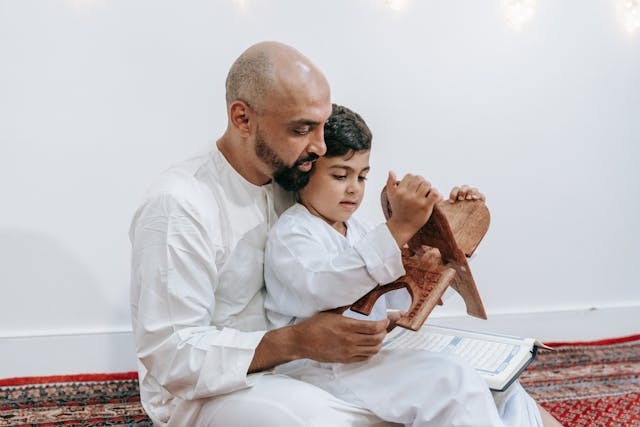
Relevance and Application Today
Good parenting in Islam remains highly relevant in contemporary society. By combining spiritual, emotional, and ethical approaches, parents can guide children to become responsible, compassionate, and morally aware adults. Applying these principles in daily routines ensures that faith and moral values are embedded in children’s lives, preparing them to handle social, educational, and personal challenges with resilience. This approach not only strengthens parent-child relationships but also fosters a harmonious, well-functioning family unit. Ultimately, Islamic parenting provides a timeless framework that balances tradition with modernity, helping families cultivate ethical, emotionally healthy, and spiritually grounded children.
Conclusion
Good parenting in Islam provides a timeless framework for raising children with strong moral values, emotional resilience, and spiritual awareness. By combining faith-based guidance, ethical instruction, and emotional nurturing, parents can foster respect, responsibility, and empathy in their children. Applying these principles consistently helps families navigate modern challenges while maintaining harmony, trust, and ethical integrity. Ultimately, good parenting in Islam supports the development of well-rounded, compassionate, and morally grounded individuals, creating households that thrive spiritually, emotionally, and socially while preserving Islamic traditions and guiding children toward a purposeful and responsible life.