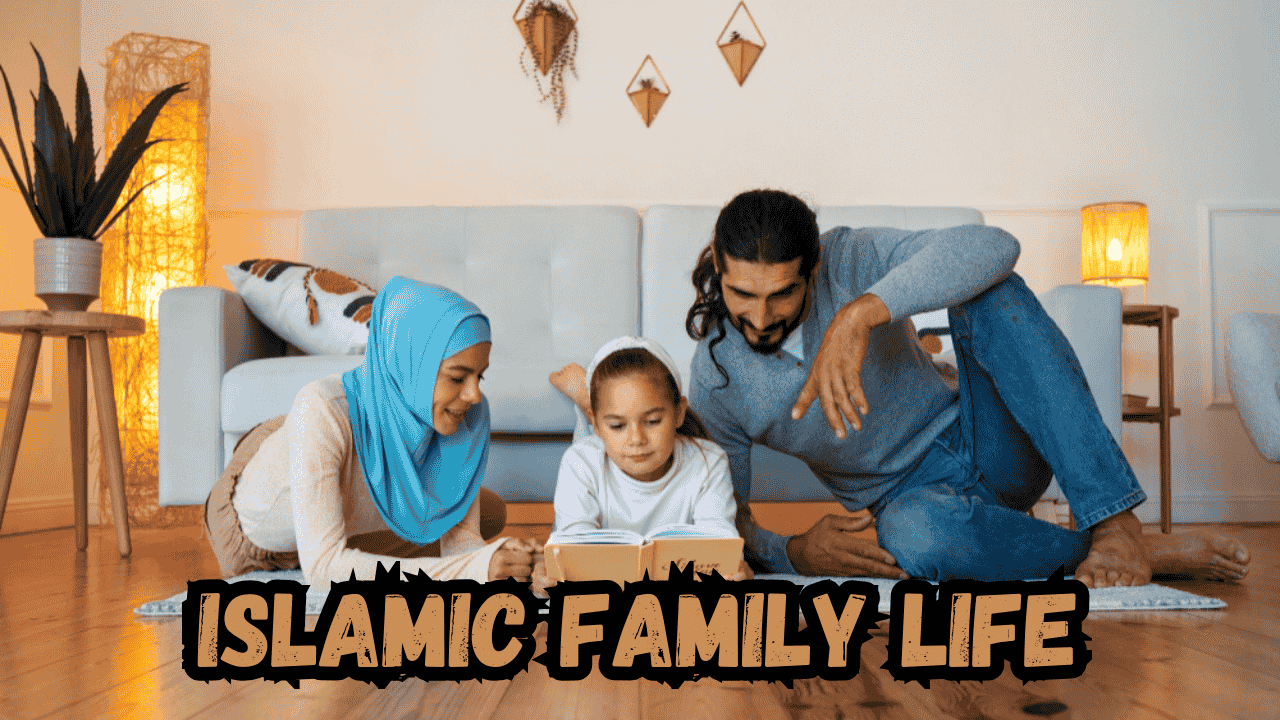
Islamic Family Life Shaped by Faith, Responsibilities, and Strong Moral Foundations
Islamic family life forms the cornerstone of a harmonious and ethically guided household, reflecting centuries of spiritual wisdom and cultural tradition. Rooted in faith and moral principles, it emphasizes the importance of mutual respect, shared responsibilities, and nurturing relationships between spouses, parents, and children.
This article delves into how religious teachings, family responsibilities, and moral values influence everyday life, from parenting practices to marriage dynamics. It also explores the significance of emotional support, ethical behavior, spiritual growth, and intergenerational bonds in maintaining strong family ties. By combining timeless principles with practical guidance, families can navigate modern challenges while preserving faith, character, and social harmony, creating a nurturing environment for present and future generations.
Understanding the Essence of Islamic Family Life
Islamic family life represents a holistic approach to household organization, where faith, ethics, and social responsibilities are closely intertwined. At its core, it views the family as a sacred institution that nurtures spiritual growth, moral character, and social harmony. The principles of Islam provide clear guidance for relationships between spouses, parents, and children, emphasizing compassion, justice, and accountability. Historically, Islamic teachings have shaped family structures by balancing individual rights with collective responsibilities, ensuring that every member contributes to the wellbeing of the household. By integrating cultural traditions with religious directives, families maintain cohesion while instilling values that prepare children for ethical and responsible adulthood.
Faith as the Foundation of Household Harmony
Spiritual Practices and Moral Guidance
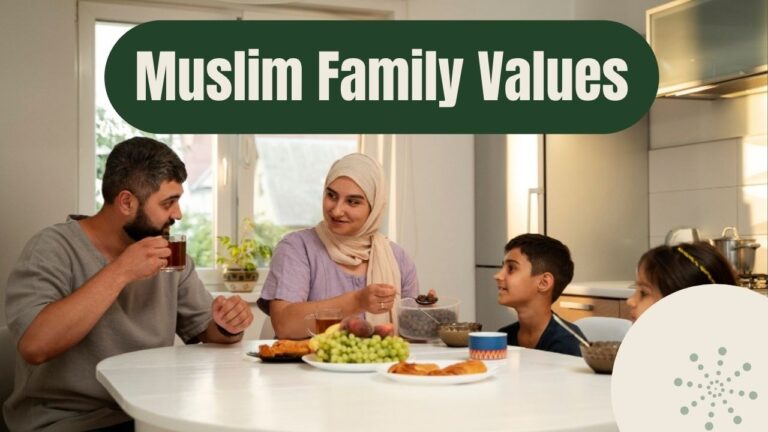
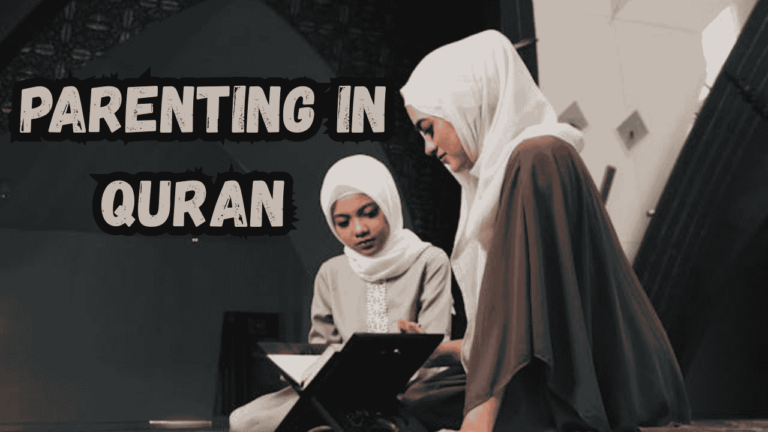
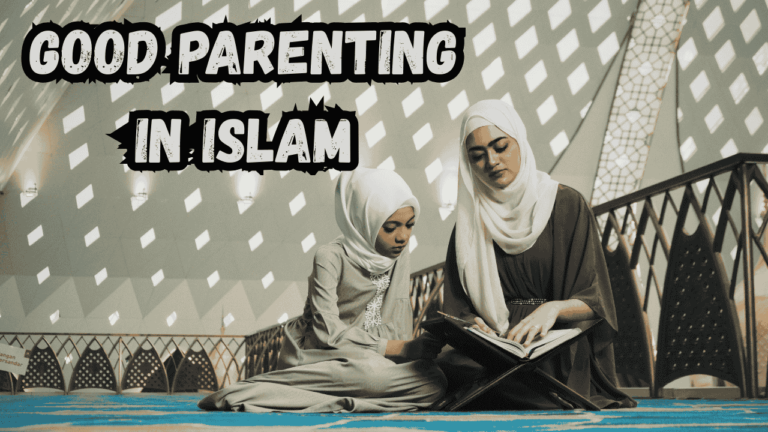
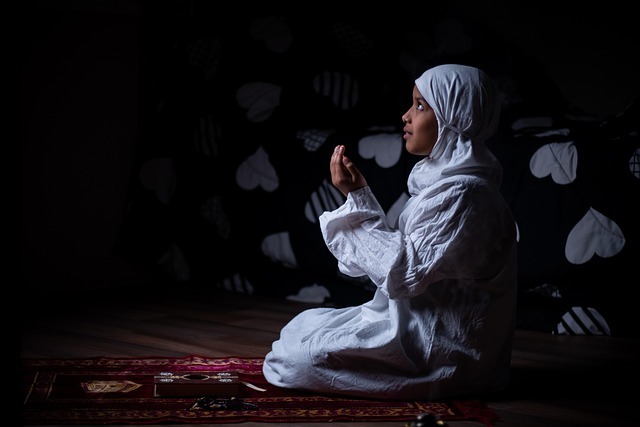
Faith plays a central role in shaping daily routines and interpersonal dynamics within Islamic households. Regular prayers, ethical behavior, and adherence to Quranic principles are not limited to ritualistic observance but extend into parenting, decision-making, and conflict resolution. Parents act as role models, demonstrating honesty, patience, and compassion, which helps children internalize values naturally. Spiritual practices such as shared prayers and religious discussions foster a sense of unity, strengthen emotional bonds, and create a supportive environment where moral lessons are reinforced consistently. Faith-based guidance ensures that the family operates on principles of fairness, mutual respect, and empathy, forming a foundation that sustains strong relationships even during challenging times.
Moral Development and Character Building
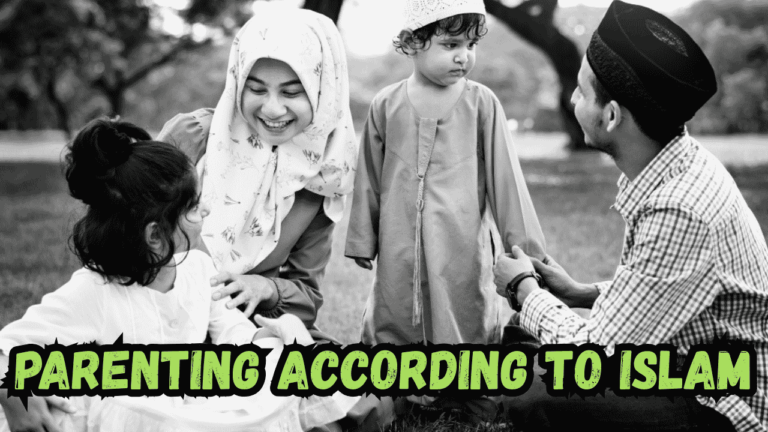
An essential component of Islamic family life is cultivating moral and ethical values in children. Islamic teachings encourage parents to instill virtues such as honesty, humility, patience, and empathy from an early age. These lessons are imparted through consistent guidance, storytelling, and real-life examples rather than strict enforcement. By observing parents’ behavior, children learn how to navigate social and spiritual challenges while maintaining their moral compass. Strong character development not only enhances family harmony but also prepares younger generations to contribute positively to society while remaining rooted in faith.
Tradition and Cultural Influence on Family Structures
Marriage as a Partnership
Marriage in Islamic households is seen as a cooperative partnership rather than a hierarchical arrangement. Spouses share emotional, financial, and spiritual responsibilities, creating an environment of balance and mutual support. While cultural customs may influence wedding ceremonies and specific family roles, the guiding principles remain anchored in fairness, respect, and shared accountability. This cooperative approach helps prevent conflicts, promotes understanding, and strengthens the foundation for raising children in a stable and nurturing environment.
Intergenerational Relationships and Respect
Respecting elders and maintaining strong intergenerational bonds is a defining feature of Islamic households. Older family members provide guidance based on life experience, while younger members receive care, education, and emotional support. This structure ensures continuity of traditions, wisdom, and values, bridging the gap between past and present. Storytelling, cultural rituals, and family gatherings play a crucial role in preserving heritage and reinforcing lessons that cultivate responsibility, empathy, and moral awareness among children.
Practical Principles of Strong Islamic Households
To fully appreciate how Islamic family life functions in practice, it is helpful to examine the guiding principles that translate religious and cultural ideals into daily routines and interactions. These principles provide clarity, consistency, and harmony within the household, helping families navigate challenges while reinforcing ethical conduct.
- Commitment to open and respectful communication between spouses and children.
- Shared household responsibilities and cooperation in managing family needs.
- Emphasis on moral accountability and adherence to ethical and spiritual principles.
- Active involvement of parents in children’s education, spiritual guidance, and emotional development.
- Regular reflection and engagement in religious practices to maintain unity and purpose.
Applying these principles consistently strengthens relationships, enhances emotional wellbeing, and creates an environment that fosters trust, understanding, and resilience. Families experience greater stability and satisfaction while ensuring that values are passed on effectively to future generations.
Benefits and Modern Challenges
The benefits of Islamic family life extend beyond spiritual fulfillment. Families guided by these values often exhibit stronger bonds, improved communication, and emotional security, creating a nurturing environment for children to grow into responsible and compassionate adults. Ethical and moral guidance instills confidence, resilience, and a sense of purpose in every family member.
However, modern challenges such as technological distractions, economic pressures, and evolving social norms can strain traditional structures. Balancing contemporary lifestyles with religious principles requires thoughtful adaptation and open communication. Families that consciously apply Islamic teachings while remaining flexible can overcome these pressures without compromising faith, respect, or moral values.
Contemporary Relevance and Practical Applications
In today’s fast-changing world, Islamic family life remains relevant by offering practical guidance for fostering strong, ethical, and harmonious households. Faith-based teachings combined with cultural wisdom provide a framework for decision-making, conflict resolution, and character development. Families who actively incorporate these values create supportive environments where children grow with moral clarity, emotional stability, and a sense of spiritual identity. By blending tradition with modern life, households maintain resilience, nurture compassion, and ensure that the principles of faith continue to guide relationships, responsibilities, and personal growth effectively.
Conclusion
Islamic family life continues to serve as a timeless framework for nurturing strong, ethical, and harmonious households. Rooted in faith, moral guidance, and shared responsibilities, it promotes respect, compassion, and emotional balance among all family members. By integrating spiritual principles with cultural traditions, families are better equipped to navigate modern challenges while preserving identity and unity. Practicing these values fosters resilience, ethical behavior, and meaningful intergenerational connections. Ultimately, Islamic family life provides practical guidance that strengthens relationships, supports character development, and ensures that faith and family remain central in a fast-changing world.