

Islam is a Lifestyle: How Following Islamic Principles Transforms Daily Living
Islam is a lifestyle that influences every aspect of a believer’s life, from daily routines to long-term decisions. It is not just about performing prayers or fasting; it is a complete framework guiding behavior, ethics, and interactions with others. This article will explore how following Islamic principles can transform your daily living, helping you develop honesty, patience, and mindfulness in every action. You will discover practical ways to integrate faith into work, education, family life, and community engagement. By embracing these teachings, one can cultivate inner peace, purpose, and stronger relationships. Understanding Islam as a holistic way of life allows you to live consciously, make ethical choices, and create harmony between spiritual and worldly responsibilities.

Understanding Islam as a Complete Way of Life
Islam is a lifestyle that goes far beyond religious rituals. It is a holistic approach guiding personal, social, and spiritual aspects of life. The essence of this lifestyle is to create harmony between faith, actions, and intentions. At its core, Islam emphasizes moral values, compassion, and responsibility, which shape an individual’s daily behavior. By integrating Islamic teachings in daily life, believers can cultivate mindfulness, ethical behavior, and spiritual awareness. Understanding the concept of Islam as a lifestyle helps explain why faith cannot be separated from ordinary living.
Definition and Core Principles
What Does It Mean That Islam is a Lifestyle?
Islam is a lifestyle that means that faith is not limited to specific acts of worship; it guides every thought, choice, and interaction. This includes honesty at work, kindness in family relations, and fairness in community dealings. The main principles include:
- Prayer and remembrance of God in daily routines
- Maintaining honesty and integrity in both personal and professional spheres
- Practicing patience, gratitude, and mindfulness in actions
- Helping the needy and engaging in charitable acts
- Following ethical behavior in interactions with others
Core Ethical Values
Islam encourages values such as humility, self-discipline, justice, and respect for others. By applying these teachings, one achieves personal growth and contributes positively to society. Ethical behavior strengthens relationships, fosters trust, and creates social harmony.
Historical Background and Context
The Origins of Living Faithfully
The lifestyle approach in Islam dates back to the time of Prophet Muhammad (peace be upon him), who demonstrated that faith encompasses all aspects of life. The Quran and Hadith provide guidance on personal conduct, social justice, and community welfare. By following these teachings, early Muslims integrated faith into their daily routines, from business dealings to family life.
Lessons from Early Muslim Communities
Early Muslim societies serve as examples of how Islamic principles can shape daily living. Communities emphasized education, charity, and ethical governance. These historical practices illustrate that Islam is not just a set of rituals but a complete framework for sustainable and balanced living.
Importance of Islam in Daily Life
Why Embracing This Lifestyle Matters
Islam is a lifestyle because it ensures that spiritual growth aligns with everyday decisions. When faith influences daily life, actions are performed with purpose and mindfulness. This approach helps individuals make ethical choices, maintain mental peace, and strengthen relationships with family and society.
Key Benefits of Living Islamically
- Builds personal discipline and self-control
- Encourages social responsibility and ethical work habits
- Enhances mental and spiritual well-being
- Promotes harmony within families and communities
- Cultivates a sense of gratitude and purpose
By integrating these practices, believers experience a balance between worldly success and spiritual fulfillment.
Practical Benefits and Everyday Applications
Spiritual Benefits
Living according to Islamic principles nurtures inner peace and contentment. Practices such as prayer, reflection, and charity provide emotional stability and a sense of connection with God. Spiritual guidance strengthens resilience against life challenges and promotes a meaningful life.
Social and Community Benefits
Islam is a lifestyle that emphasizes community harmony and social responsibility. Respect, honesty, and compassion foster positive relationships. Acts of charity, volunteering, and supporting others create cohesive and caring communities. Practical faith application in daily life encourages ethical leadership and active civic participation.
Professional and Personal Growth
Adopting Islamic values enhances workplace ethics, decision-making, and interpersonal skills. Mindful living, honesty, and discipline are appreciated in professional settings. Similarly, personal relationships benefit from patience, understanding, and empathy, reinforcing the holistic nature of this lifestyle.
Challenges in Adopting Islam as a Complete Lifestyle
Common Obstacles
Living fully by Islamic principles can sometimes be challenging due to modern pressures, societal norms, or misconceptions about religion. Some common challenges include:
- Balancing professional demands with spiritual practices
- Facing social pressures that contradict ethical values
- Misunderstanding the practical aspects of faith
- Maintaining consistent mindfulness in daily routines
Overcoming These Challenges
By seeking spiritual guidance, learning from Islamic teachings, and practicing ethical behavior consistently, believers can overcome obstacles. Building supportive communities and prioritizing personal growth also helps in maintaining a balanced lifestyle.
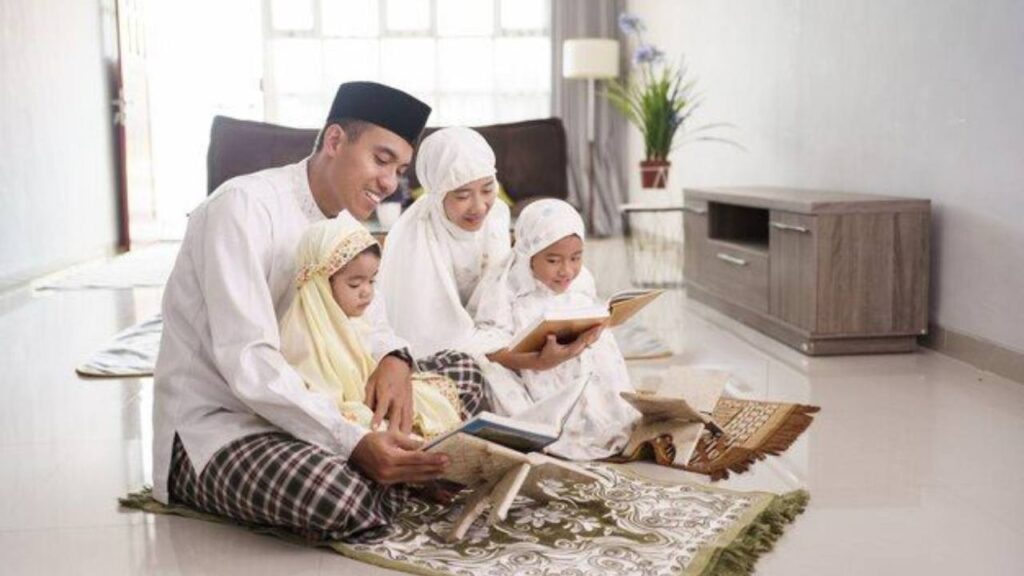
Examples of Islam is a lifestyle
Practical Applications at Home
- Practicing honesty in family interactions
- Teaching children ethical behavior and respect
- Maintaining gratitude and patience during challenges
Workplace Applications
- Upholding integrity and fairness in business
- Treating colleagues and clients with respect
- Using resources responsibly and ethically
Community Engagement
- Supporting local charity initiatives
- Volunteering to help the less fortunate
- Encouraging social harmony through compassionate actions
These examples show how Islam is a lifestyle that is active, practical, and deeply impactful in everyday life.
Conclusion:
In summary, Islam is a lifestyle that shapes personal behavior, ethical choices, and social interactions. By following Islamic principles, individuals can achieve balance between spiritual growth and daily responsibilities. Integrating values like honesty, patience, and compassion fosters mindful living, stronger relationships, and community harmony. Despite modern challenges, practical faith application ensures inner peace, purpose, and ethical conduct. Embracing this way of life highlights the importance of spiritual guidance, ethical behavior, and mindful practices in every aspect of life, showing that faith is not separate from everyday actions but a complete framework for meaningful living.