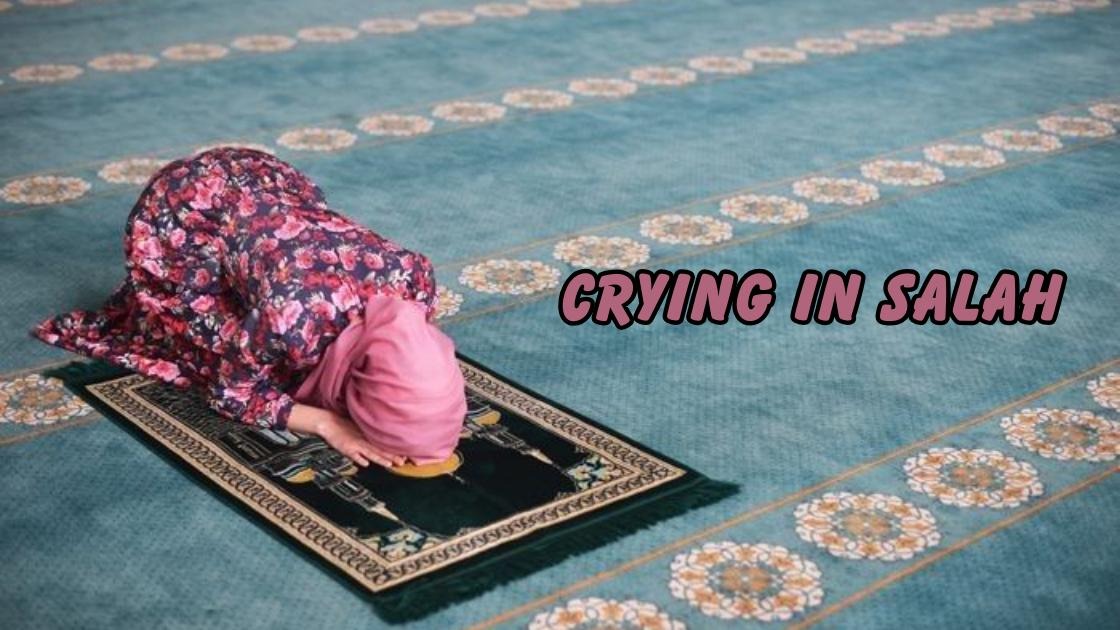
Crying in Salah: Understanding Tears During Prayer in Islam
Crying in salah is a deeply spiritual experience that many Muslims encounter during their moments of worship. This emotional response often leaves believers wondering about its significance and whether it affects the validity of their prayer.
Throughout this comprehensive guide, we will explore the Islamic rulings surrounding tears during namaz, examine what the Quran and Hadith teach us about this phenomenon, and discover why some scholars consider it a sign of khushu (humility and concentration). Whether you shed tears from fear of Allah, overwhelming gratitude, or personal struggles, understanding this topic will help deepen your connection with your Creator and enhance your spiritual journey during worship.
What Does Crying in Salah Mean?
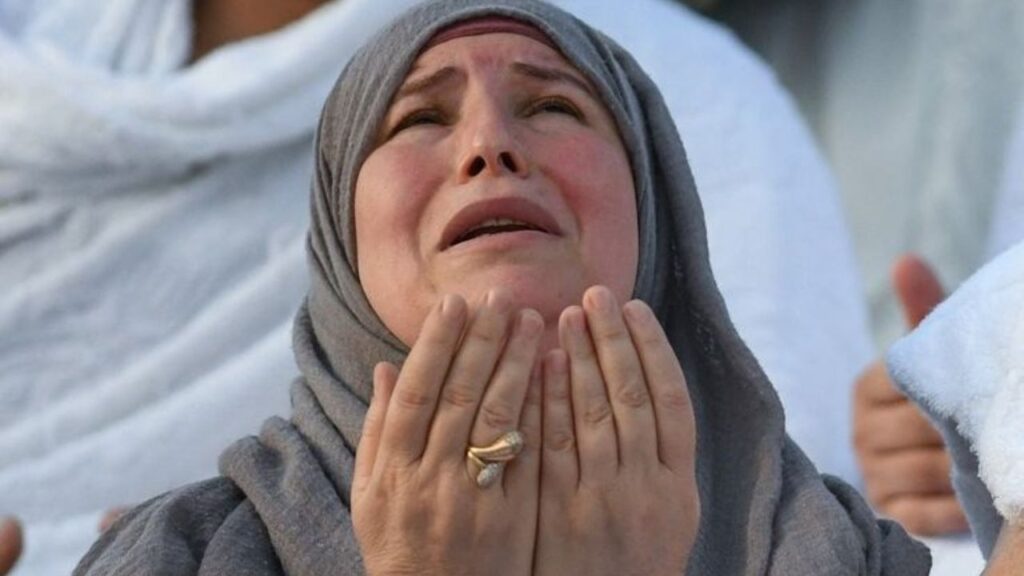
Crying in salah refers to the act of shedding tears while performing your daily prayers. This emotional expression can manifest in various forms, from silent tears rolling down your cheeks to gentle sobbing during recitation. Many Muslims experience this phenomenon when they deeply connect with the words of the Quran or reflect upon their relationship with Allah.
The experience of weeping during prayer is not merely an emotional outburst but often represents a profound spiritual state. When a believer stands in qiyam, bows in ruku, or prostrates in sujood, the heart becomes more receptive to divine mercy. This vulnerability before the Creator naturally opens the door for tears to flow as a response to spiritual awakening.
Why Do Muslims Cry During Prayer?
There are several reasons why believers find themselves crying in salah. Understanding these causes helps us appreciate the spiritual depth behind this experience.
- Fear of Allah’s punishment and awareness of one’s sins create a sense of urgency for repentance
- Overwhelming gratitude for countless blessings bestowed upon the believer
- Deep reflection on the meaning of Quranic verses being recited
- Personal hardships and turning to Allah for comfort and guidance
- Longing for Jannah and the desire to meet the Creator
The Prophet Muhammad (peace be upon him) himself would weep during his prayers, demonstrating that tears are a natural part of sincere worship. His companions also reported experiencing similar emotional states during their ibadah.
Islamic Ruling on Tears During Namaz
Does Crying Break Your Prayer?
One of the most common questions Muslims ask is whether crying in salah invalidates their worship. According to the majority of Islamic scholars, shedding tears does not break your prayer as long as the crying is related to spiritual matters such as fear of Allah, reflection on sins, or contemplation of the Hereafter.
However, scholars have made important distinctions regarding this matter. If the crying produces sounds that resemble letters or words, some schools of thought suggest it may affect the prayer’s validity. Silent tears or quiet weeping that does not disturb the recitation is unanimously accepted as permissible.
Evidence from Quran and Hadith
The Quran praises those who weep when hearing the words of Allah. In Surah Al Isra, Allah describes the righteous as those who fall down in prostration while weeping when His verses are recited to them. This clearly indicates that tears during worship are not only acceptable but praiseworthy.
The Hadith literature contains numerous accounts of the Prophet and his companions experiencing emotional moments during prayer. Umar ibn al Khattab (may Allah be pleased with him) was known for his audible weeping during Fajr prayer, and his crying could be heard from the back rows of the congregation.
The Spiritual Significance of Weeping in Worship
Crying in salah is often considered a sign of achieving khushu, which represents the ultimate state of humility and concentration in prayer. When the heart softens and tears begin to flow, it indicates that the believer has momentarily transcended worldly concerns and entered a deeper realm of spiritual connection.
Benefits of Experiencing Tears During Prayer
The spiritual benefits of weeping during worship are numerous and profound.
- It serves as a form of spiritual cleansing and purification of the heart
- Tears demonstrate sincerity and genuineness in one’s relationship with Allah
- The experience strengthens iman and increases consciousness of the divine
- It provides emotional release and psychological healing
- Weeping believers are promised shade on the Day of Judgment according to authentic narrations
How to Develop Khushu in Your Prayers
If you desire to experience deeper emotional connection during your salah, focus on understanding the meaning of what you recite. Learning Arabic and studying tafsir helps tremendously in developing this connection. Additionally, praying in a quiet environment, taking your time with each movement, and reflecting on your mortality all contribute to achieving a state where tears may naturally flow.
Remember that crying in salah should never become a goal in itself or a source of showing off. True tears come naturally when the heart is sincere and connected to its Creator.
Conclusion
Crying in salah is a beautiful spiritual experience that reflects the deep connection between a believer and Allah. Throughout this article, we have explored the Islamic rulings, reasons behind tears, and the immense spiritual significance of weeping during worship. Rather than viewing tears as a weakness, Muslims should embrace this emotional response as a sign of khushu and sincere devotion.
Whether you experience crying in salah occasionally or frequently, know that this is a blessed state praised in both the Quran and Hadith. Continue striving for meaningful prayers, and let your tears become a bridge that strengthens your iman and draws you closer to your Creator.