
Morning Adhkar Benefits: A Complete Guide to Authentic Duas, Rewards, and Daily Routine
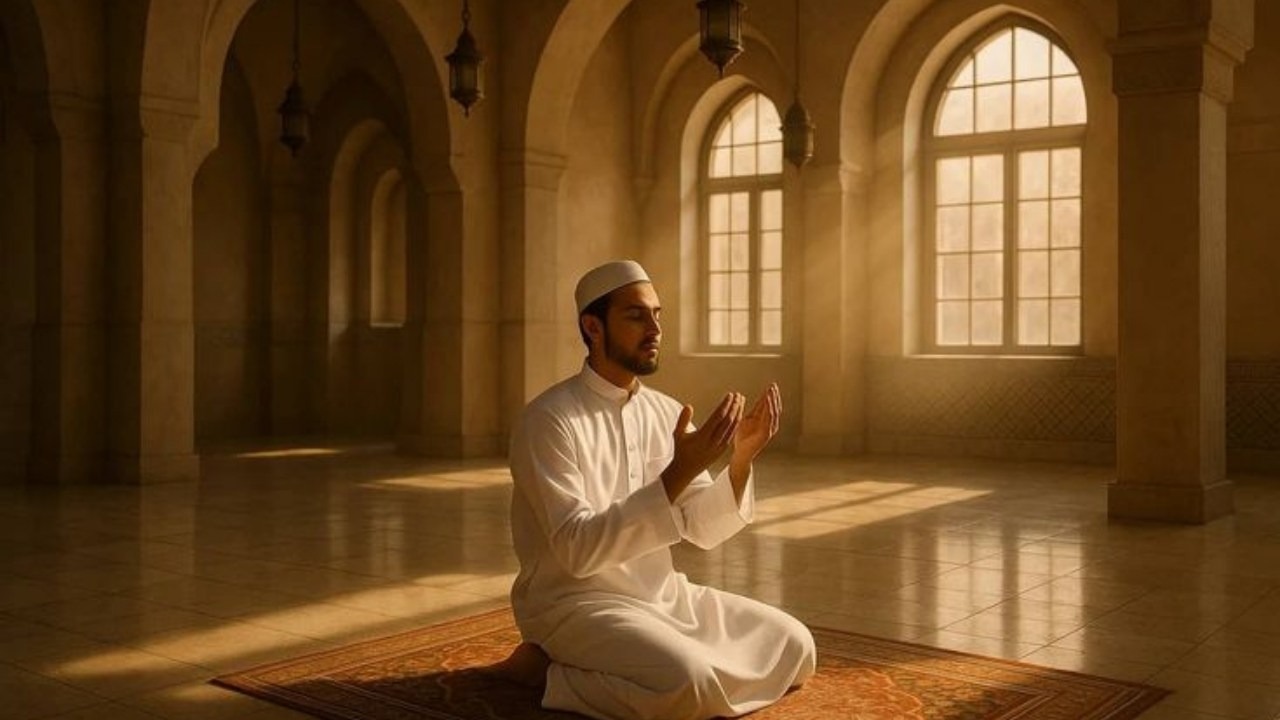
Morning adhkar are the authentic supplications that Prophet Muhammad ﷺ recited after Fajr, and neglecting them leaves the heart exposed to anxiety, spiritual fatigue, and the noise of modern life. Many Muslims feel emotionally drained before noon and wonder why their days lack focus or barakah. A short sequence of verified remembrances, practiced consistently at dawn, changes that. This guide walks you through the spiritual rewards, the scientific evidence, the specific duas to memorize, and a realistic plan to make the habit stick.
Table of Contents
What Is Azkar Al-Sabah? A Short Primer
The Arabic word dhikr (plural: adhkar) means remembrance, and azkar al-sabah refers specifically to the morning window of supplications recited from after the Fajr prayer until sunrise. Prophet Muhammad ﷺ taught his companions these exact phrases as protection, expressions of gratitude, and statements of faith.
None of these formulas are invented. Every recommended supplication comes from the Quran or an authenticated hadith collection, preserved in books such as Imam an-Nawawi’s Al-Adhkar and Imam Ibn al-Qayyim’s Al-Wabil as-Sayyib. That scholarly chain is what separates sunnah-based practice from spiritual improvisation.
Why Daily Morning Remembrance Matters for Every Muslim
The Quran directly ties the remembrance of Allah to inner peace. In Surah Ar-Ra’d, Allah says hearts find rest only through His remembrance, a claim that speaks to both spiritual and psychological well-being (Quran 13:28).
Prophet Muhammad ﷺ also narrated that the likeness of a person who remembers Allah versus one who does not is like the living versus the dead (Sahih al-Bukhari 6407). Morning specifically carries added weight because dawn is a blessed window when the believer sets the spiritual tone of the entire day.
Spiritual Benefits of Reciting Morning Adhkar
The benefits fall into three clear categories: divine protection, accumulated reward, and a closer relationship with Allah. Each one is grounded in a specific narration, not folklore.
Divine Protection Against Evil, Harm, and the Whispers of Shaytan
Reciting Ayatul Kursi, the three Quls, and the prophetic morning supplications builds an unseen shield around the reciter. In a well-known narration preserved in Sahih al-Bukhari, the Prophet ﷺ confirmed that whoever recites Ayatul Kursi receives a guardian from Allah and that Shaytan cannot approach them until the next window (Sahih al-Bukhari 5010).
This protection is not symbolic. Muslims across centuries have described a measurable difference in how their day unfolds when the sequence is recited versus skipped, particularly in terms of patience, composure under pressure, and protection from accidents or conflict.
Abundant Rewards and Forgiveness of Sins
Short phrases carry disproportionately heavy rewards. Saying SubhanAllahi wa bihamdihi one hundred times leads to sins being forgiven even if they are like the foam of the sea, according to an authentic narration in Sahih al-Bukhari 6405. Similar multipliers apply to phrases such as La ilaha illa Allah and SubhanAllah.
A Stronger, More Conscious Bond With Allah
Consistent dhikr cultivates tawakkul (trust in Allah) and muraqabah (awareness that Allah is watching). Over weeks and months, the reciter begins to notice a clear shift: less reactive emotional patterns, more patience in trials, and a natural tendency to return to Allah before turning anywhere else.
Science-Backed Psychological Benefits of Daily Dhikr
Modern research keeps arriving at the same conclusion Muslims have lived for centuries. A 2025 review published in Frontiers in Psychology found that Islamic spiritual meditative practices, including dhikr, act as powerful reducers of stress and anxiety across multiple clinical populations (Zahir and Qoronfleh, 2025).
A separate retrospective cohort study from Aceh, Indonesia found that elderly participants who regularly attended dhikr gatherings had significantly better mental health outcomes, with a relative risk value of 1.857 compared to non-participants (Anwar et al., 2024, Health SA Gesondheid). The Yaqeen Institute has likewise documented how daily prayer, supplication, and remembrance function as therapeutic anchors for Muslim mental health (Yaqeen Institute, Islam and Mental Health).
The table below summarizes the main psychological effects documented in peer-reviewed research.
| Psychological Effect | How Dhikr Produces It | Supporting Evidence |
| Reduced anxiety and stress | Rhythmic recitation activates the parasympathetic nervous system and lowers cortisol levels | Frontiers in Psychology review, 2025 |
| Better emotional regulation | Meaning-focused repetition reframes cognitive patterns similar to secular mindfulness | Springer Pastoral Psychology review, 2026 |
| Improved concentration | EEG studies show dhikr increases alpha-wave activity linked to calm focus | Dhikrullah neuroscience study, ResearchGate, 2025 |
| Greater psychological resilience | Spiritual framing builds meaning, hope, and coping capacity during adversity | Integrating Islamic Theology and Psychology review |
Lower Cortisol and Reduced Anxiety
The repeated cadence of remembrance slows breathing and heart rate, shifting the body out of fight-or-flight mode. Clinicians note that this mirrors the physiological response produced by secular mindfulness programs, except that the believer also gets the meaning-level benefit of connection with the Divine.
Improved Focus and Mental Clarity
Starting the day with twenty minutes of intentional recitation primes the brain for deeper concentration. Rather than reaching for a phone and doom-scrolling the news, the reciter trains attention on something stable, rhythmic, and spiritually meaningful.
Physical Health Connections You Shouldn’t Overlook
The benefits go beyond the mind. Deep, unhurried recitation oxygenates tissues, supports diaphragmatic breathing, and encourages a calm autonomic state that reduces blood pressure over time. Practitioners commonly report better sleep, steadier energy throughout the day, and fewer tension headaches once the habit is established.
None of this replaces medical care, but the mind-body link is well documented. A regulated nervous system produces a stronger immune response, healthier digestion, and more balanced hormones, effects that compound over months of consistency.
Essential Supplications Every Muslim Should Memorize After Fajr
Beginners often feel overwhelmed by long lists, so the following sequence covers the high-yield core. Mastering these five is more valuable than skimming twenty.
- Ayatul Kursi (Quran 2:255) recited once for comprehensive protection and guardianship from Allah.
- Surah Al-Ikhlas, Al-Falaq, and An-Nas (the three Quls) recited three times each, sufficient as protection from every kind of harm, based on a hadith in Sunan Abu Dawud 5082.
- Sayyidul Istighfar (the Master of Seeking Forgiveness) whoever says it with conviction in the morning and dies that day enters Paradise, per Sahih al-Bukhari 6306.
- Hasbiyallahu la ilaha illa Huwa… recited seven times, and Allah will suffice the reciter against all concerns.
- Tasbih, tahmid, and takbir SubhanAllah, Alhamdulillah, and Allahu Akbar, recited thirty-three times each after Fajr.
Ayatul Kursi: The Greatest Verse in the Quran
Prophet Muhammad ﷺ described Ayatul Kursi as the greatest verse in the Quran (Sahih Muslim 810a). Reciting it in the morning sets up the guardianship narrated by Abu Hurayrah, where Allah appoints a protector for the believer throughout the day.
The Three Quls for Comprehensive Shielding
These short surahs cover the spectrum of threats: affirming pure monotheism (Al-Ikhlas), seeking refuge from external evils (Al-Falaq), and seeking refuge from internal whispers (An-Nas). Three repetitions each is the prophetic minimum.
Sayyidul Istighfar: The Master Supplication for Forgiveness
This dua acknowledges the covenant, admits shortcomings, and asks for Allah’s cover all in one sentence. Scholars consistently rank it among the most spiritually dense phrases a Muslim can memorize.
How to Build a Lasting Morning Adhkar Routine
Most people fail at consistency, not comprehension. Habit science and prophetic guidance both point to the same answer: small, anchored, and repeated.
Pick the Right Time Window
The optimal window begins immediately after Fajr and extends until sunrise, roughly 20 to 30 minutes of active recitation. Tying the habit to a prayer you already pray removes the biggest source of friction, which is remembering to do it at all.
Start Small and Expand Gradually
Begin with Ayatul Kursi and the three Quls only. That takes about two minutes. Once that feels automatic, usually after two to three weeks, add Sayyidul Istighfar, then the hasbiyallah formula, then the tasbih counts. Trying to do the full hisn al-muslim list on day one is the single most common reason beginners quit.
Tools That Support Consistency
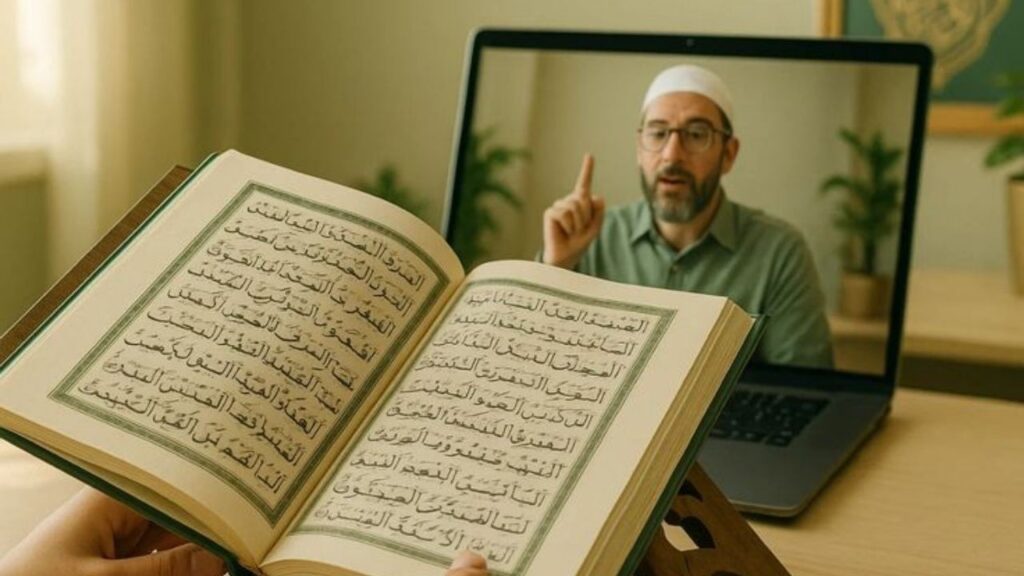
A physical tasbih counter, a printed booklet such as Hisn al-Muslim, or a reliable app like the one offered by Qissah keeps you anchored when concentration drifts. Keep the tool in the same spot where you pray so the cue is automatic.
Understand What You Recite
Arabic-only recitation still carries reward, but adding a translation transforms the habit from mechanical to meaningful. Imam an-Nawawi explicitly recommended that every Muslim learn the meaning of at least the core morning sequence so the heart engages alongside the tongue.
Overcoming Common Obstacles to Daily Recitation
Three obstacles sink most beginners: pronunciation fears, lack of time, and wandering concentration. Each has a simple fix.
For pronunciation, accept that Allah rewards effort, not perfection, and use a trusted audio recitation to mimic until your tongue adjusts. For time, set an alarm for fifteen minutes before Fajr iqamah so there is no post-prayer scramble. For focus, return gently to the meaning of whatever phrase you just said; scolding yourself only deepens the distraction.
Conclusion
The benefits of morning adhkar are too tangible to leave on the shelf: prophetic protection, forgiven sins, lower anxiety, sharper focus, and a day that opens with Allah rather than a news feed. Begin with two minutes of Ayatul Kursi and the three Quls after tomorrow’s Fajr, keep a booklet within reach, and let the habit grow on its own terms. The believers who stay consistent for ninety days rarely look back; their mornings simply belong to Allah again.
What is the best time to recite morning adhkar?
The prophetic window begins right after the Fajr prayer and extends until sunrise. This period is considered especially blessed because the day is fresh, the mind is alert, and angels are said to be present. If you miss this window, reciting any time before Dhuhr still carries benefit, but the highest reward is tied to the dawn timing preserved in the sunnah.
Can I recite azkar al-sabah in English if I don’t speak Arabic?
Arabic carries the original reward and preserves the exact meaning revealed in the Quran and taught by the Prophet ﷺ. Beginners may read the English translation alongside a transliteration to build understanding, but the goal is to gradually transition to Arabic. Even short daily practice with a teacher or reliable audio resource closes the gap within a few months.
How long does the full morning sequence take to recite?
A focused recitation of the complete authentic sequence takes about 15 to 25 minutes, depending on pace and how many optional duas are included. The core protective duas, meaning Ayatul Kursi, the three Quls, and Sayyidul Istighfar, can be completed in under five minutes. Consistency with the core beats an inconsistent full recitation.
Do I have to recite every single dua every day?
No. Scholars agree that the sunnah is preserved through effort, not perfection. Reciting a consistent core daily is better than attempting the full hisn al-muslim list occasionally. Prophet Muhammad ﷺ himself emphasized that the most beloved deeds to Allah are those done regularly, even if small, as narrated in Sahih al-Bukhari 6464.
Is there scientific evidence that dhikr actually reduces stress?
Yes. Multiple peer-reviewed studies in journals such as Frontiers in Psychology and Health SA Gesondheid have measured reductions in cortisol, anxiety scores, and depressive symptoms among regular practitioners of Islamic remembrance. EEG studies also show increased alpha-wave activity, a pattern associated with calm, focused mental states.
Can women recite these duas during menstruation?
Yes. The general rule among the majority of scholars is that menstruating women may recite dhikr, make dua, and remember Allah freely. The only common restriction relates to extended Quranic recitation from memory without a pressing reason, and scholars differ even on that point. The short verses within the morning sequence are permissible for remembrance purposes.
What happens if I miss a day of remembrance?
Nothing is lost permanently. Simply resume the next morning without guilt or overcompensation. If you remember during the day, recite what you can before sunset rather than skipping entirely. The prophetic model emphasizes steady return rather than dramatic catch-up, so treat each day as a fresh opportunity and the habit will stabilize naturally.