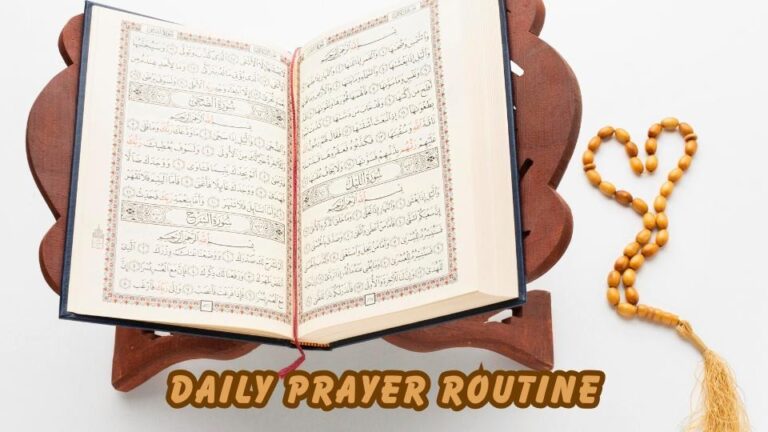

Spiritual self care:Through Quran and Daily Worship
Spiritual self care is not merely a modern wellness trend but a deeply rooted practice within Islamic tradition that every Muslim woman can embrace wholeheartedly. As sisters navigating the countless demands of family, work, community obligations, and personal aspirations, we often forget that nurturing our souls is as essential as caring for our physical bodies. In our rush to fulfill responsibilities toward others, we sometimes neglect the most important relationship of all, our connection with Allah subhanahu wa ta’ala.
This comprehensive guide explores how connecting with the Quran and establishing consistent daily worship practices can transform your inner peace, strengthen your iman, and build a lasting relationship with your Creator. Whether you are a new revert seeking guidance on where to begin, a busy mother struggling to find moments of tranquility, or a lifelong Muslimah looking to deepen your faith journey, this article will provide practical steps for Islamic self care, Quran reflection, daily prayers, dhikr practices, morning and evening adhkar, and building a meaningful worship routine that fits your unique lifestyle and circumstances.

Understanding the Foundation of Islamic Soul Nourishment
Spiritual self care The concept of caring for one’s soul holds tremendous significance in Islam and has been emphasized throughout our rich tradition. Unlike secular approaches that focus solely on relaxation, bubble baths, or personal gratification, the Islamic perspective emphasizes purifying the heart, cleansing the soul from spiritual diseases, and drawing closer to our Creator through intentional acts of worship. The Prophet Muhammad (peace be upon him) taught us that true tranquility comes from remembering Allah, as beautifully stated in Surah Ar-Ra’d: “Verily, in the remembrance of Allah do hearts find rest” (13:28).
This verse encapsulates the essence of why spiritual self care matters so profoundly. No amount of material comfort, worldly success, or external validation can replace the peace that comes from a heart connected to its Lord. For Muslim women specifically, this practice becomes a sanctuary amid daily responsibilities and the emotional labor we consistently perform for those around us.
The Unique Position of Women in Islam
Islam honors women with tremendous respect and acknowledges their multifaceted roles within society. From the examples of Khadijah (may Allah be pleased with her), who supported the Prophet during the most difficult early days of revelation, to Maryam (peace be upon her), whose devotion earned her an entire surah in the Quran, we see that spiritually strong women form the backbone of thriving Muslim communities.
When we prioritize our connection with Allah, we build resilience against life’s inevitable challenges while cultivating gratitude, contentment, and emotional stability that benefits not only ourselves but everyone around us.
Why Women Need Intentional Soul Nurturing
Women carry multiple roles simultaneously, often without recognition or rest. From motherhood to professional responsibilities, from caring for elderly parents to maintaining household harmony, the emotional and physical demands can become overwhelming. Without deliberate attention to our inner wellbeing, burnout becomes inevitable, and our worship may become mechanical rather than meaningful.
Spiritual self care serves as the foundation that supports every other aspect of our lives. When our hearts are nourished, we find greater patience with our children, more compassion for our spouses, increased focus in our work, and deeper connections within our communities. This is not selfishness but rather strategic prioritization that enables us to give from a place of abundance rather than depletion.
Building Your Daily Worship Routine
Establishing a consistent worship routine requires sincere intention, practical planning, and gradual implementation. Rather than overwhelming yourself with unrealistic expectations that lead to disappointment and abandonment, begin with manageable practices that you can sustain long term. The Prophet (peace be upon him) reminded us that the most beloved deeds to Allah are those performed consistently, even if they are small.
The Five Daily Prayers as Spiritual Anchors
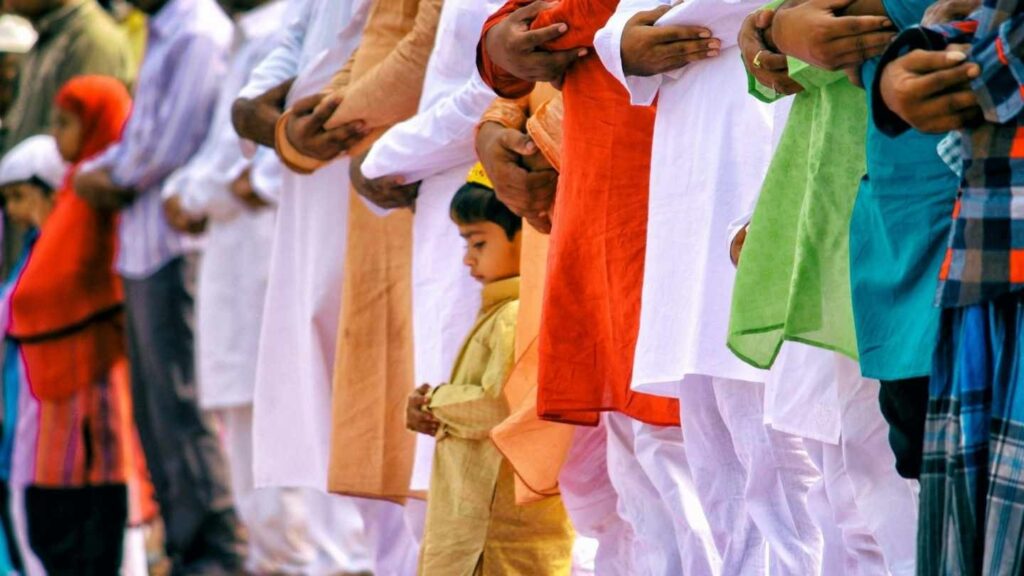
Spiritual self care The obligatory prayers serve as the unshakeable backbone of any Muslim’s daily structure and spiritual life. These five appointments with Allah are non-negotiable gifts that provide regular opportunities to pause, reflect, seek forgiveness, and reconnect throughout each day. For women managing busy households and demanding schedules, these prayers offer built-in moments of peace that no one can take away.
- Begin by perfecting your Fajr prayer, rising before dawn to meet your Lord in the quiet stillness, setting a peaceful and productive tone for the entire day ahead
- Use Dhuhr as a midday reset when stress typically peaks and responsibilities feel most overwhelming, allowing this prayer to recenter your focus on what truly matters
- Allow Asr to remind you of life’s fleeting nature and the importance of using remaining daylight hours wisely and purposefully
- Let Maghrib become a moment of profound gratitude for completing another day, reflecting on blessings both obvious and hidden
- End with Isha, consciously releasing worries, anxieties, and unfinished business into Allah’s capable hands before peaceful sleep
Perfecting Your Prayer Experience
Beyond simply completing the physical motions, strive to enhance the quality of your salah. Understand the meanings of what you recite, vary your surahs to maintain engagement, and take moments of stillness in sujood to pour out your heart to Allah. The Prophet (peace be upon him) described prayer as the coolness of his eyes, and this level of sweetness comes through deliberate cultivation.
Incorporating Dhikr and Supplication
Beyond obligatory prayers, voluntary remembrance of Allah strengthens your bond with Him throughout every moment. Morning and evening adhkar, taught by the Prophet (peace be upon him), protect you from harm, ground you in gratitude, and maintain spiritual awareness from sunrise to sunset.
Spontaneous dua throughout the day transforms ordinary moments into worship. Whether cooking dinner, driving children to school, or waiting in a doctor’s office, your tongue and heart can remain moist with the remembrance of Allah. This constant connection distinguishes a spiritually thriving Muslim woman from one merely going through religious motions.
Connecting Deeply with the Quran
The Quran is Allah’s direct, miraculous communication with humanity, and engaging with it regularly transforms the heart in ways nothing else can replicate. Spiritual self care through Quran connection involves far more than mere recitation of Arabic letters without understanding or reflection.
Allah describes this Book as guidance, healing, mercy, and light. When we approach it seeking these treasures, we find them abundantly. When we neglect it, our hearts harden, our vision dims, and our spiritual lives wither like plants deprived of water and sunlight.
Practical Tips for Meaningful Quran Engagement
- Designate a specific time daily for Quran reading and reflection, even if only ten or fifteen minutes, treating this appointment as sacred and non-negotiable
- Learn the meanings of frequently recited surahs like Al-Fatiha, Al-Ikhlas, and Al-Mulk to deepen your understanding and emotional connection during prayer
- Keep a reflection journal to record insights, questions, personal connections, and how verses apply to your current life circumstances
- Listen to melodious recitations by skilled qaris during household chores, commutes, or exercise to immerse yourself in Quranic atmosphere
- Join a sisters’ study circle, whether local or online, for community support, accountability, diverse perspectives, and shared learning experiences
Developing a Relationship with Specific Surahs
Spiritual self care Consider adopting certain surahs as companions for different life situations. Surah Al-Kahf for Friday protection and reflection, Surah Ya-Sin for morning blessings, Surah Al-Mulk before sleep for protection in the grave, and Surah Ar-Rahman when needing reminders of Allah’s countless blessings. This personalized approach makes your Quran relationship intimate and practical.
Creating Sacred Spaces and Moments
Your physical environment significantly impacts your ability to focus on worship and maintain spiritual self care practices. Our surroundings either support or hinder our spiritual aspirations, making intentional environmental design an important consideration.
Designating a clean, quiet corner specifically for prayer and reflection helps signal to your mind and heart that this time and space are sacred. This does not require an elaborate prayer room, even a small corner with a clean prayer rug, perhaps some meaningful Islamic art or calligraphy, and freedom from clutter and distraction can serve beautifully.
Enhancing Your Worship Environment
Consider adding elements that engage multiple senses and enhance focus. Pleasant natural scents like oud, musk, or essential oils can create association with worship time. Minimizing visual distractions by facing a plain wall or closing your eyes during dhikr improves concentration. Ensuring comfortable temperature and lighting supports longer periods of worship without physical discomfort.
Conclusion
Embracing spiritual self care through meaningful Quran connection and consistent daily worship is absolutely essential for every Muslim woman seeking inner peace, emotional resilience, and genuine closeness to Allah subhanahu wa ta’ala. By establishing sustainable prayer routines that serve as anchors throughout your day, engaging meaningfully with the Quran through understanding and reflection, incorporating regular dhikr and heartfelt supplication, and creating sacred spaces within your home environment, you nurture your soul while building strength for life’s inevitable challenges.
Remember that this journey is deeply personal and necessarily progressive. Start small with what you can realistically maintain, remain consistent even when motivation fluctuates, and trust completely that Allah rewards every sincere effort toward spiritual growth, Islamic self care, and drawing nearer to Him. Your soul deserves Spiritual self care attention, and your entire life will flourish when you prioritize this essential relationship.