
Self Purification in Islam: A Complete Guide to Cleansing the Heart
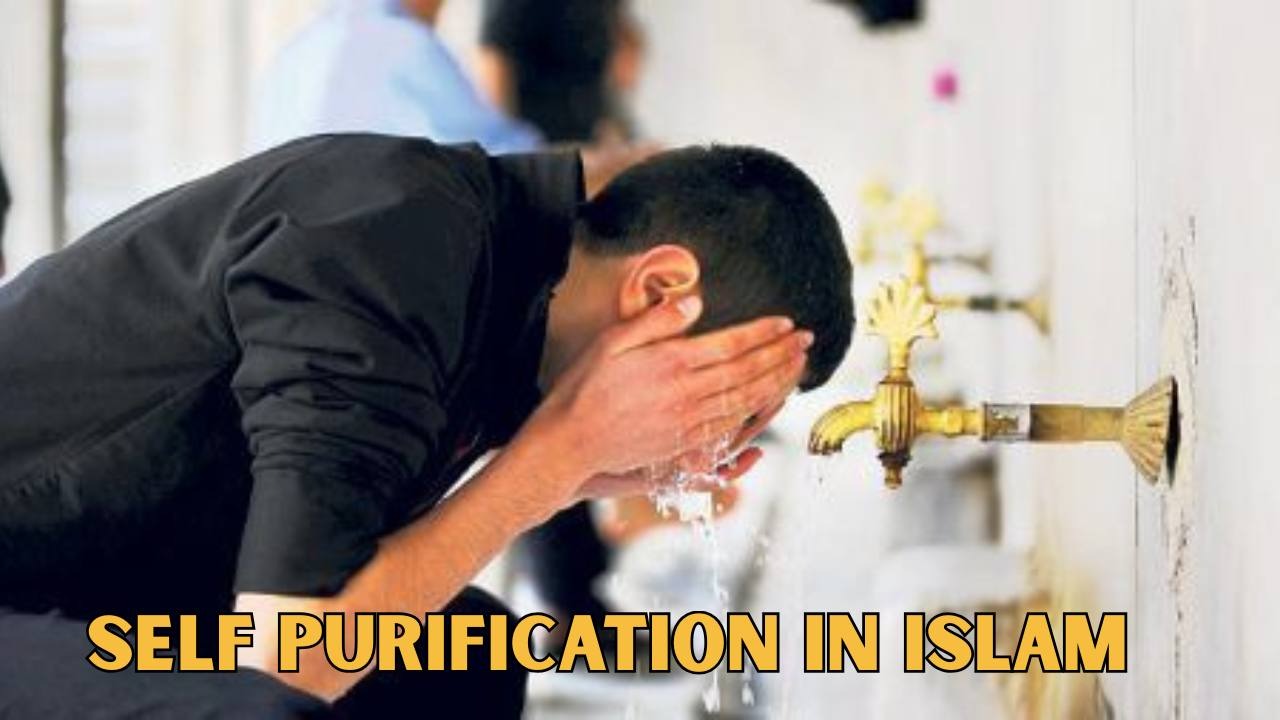
Do you want to attain a pure heart and spiritual clarity? Self purification in Islam is a profound process that helps believers cleanse the soul, remove moral impurities, and cultivate sincerity in their worship. Rooted in the Quran and Sunnah, it guides individuals toward spiritual growth, inner reform, and developing strong taqwa.
In this article, we explore practical strategies to enhance self-awareness, refine moral character, and achieve inner peace through purification of both intentions and actions. By following these principles, Muslims can strengthen their connection with Allah, maintain discipline in daily life, and embrace a lifestyle that balances spiritual, ethical, and emotional well-being. This guide provides actionable steps to help believers progress on the journey of heart cleansing and personal development.
Understanding Self Purification in Islam
Self purification in Islam refers to the conscious process of cleansing the heart and soul from spiritual and moral impurities. It involves removing traits like arrogance, envy, anger, and hypocrisy, while cultivating sincerity, humility, and obedience to Allah. This practice is not only a spiritual obligation but also a practical guide for ethical living and personal development. By purifying the soul, believers enhance their taqwa, strengthen faith, and achieve greater inner peace. Historically, Islamic scholars have emphasized tazkiyah as an essential component of faith, ensuring that worship and actions are rooted in sincerity and guided by the Quran and Sunnah.
Definition and Core Meaning
Self purification encompasses both the purification of the heart and the refinement of actions. It focuses on aligning intentions with divine guidance, promoting self-awareness, moral discipline, and spiritual growth. The ultimate goal is a balanced soul that is conscious of Allah and free from harmful traits.
Historical Background
The concept of purification of the soul has been emphasized since the time of the Prophet Muhammad ﷺ. Early Muslims and Islamic scholars practiced self-reflection, repentance, and moral training to cleanse the heart, ensuring that acts of worship were meaningful and guided by Islamic spirituality principles.
Quranic and Sunnah Foundations of Self Purification in Islam
Guidance from the Quran
The Quran highlights the importance of heart purification and moral refinement. Verses stress that true success belongs to those who purify themselves, guiding believers to develop sincerity, inner reform, and a positive mindset in both worship and daily life.
Role of Self-Reflection
Reflecting on thoughts and intentions allows individuals to identify negative patterns. By practicing self-accountability, believers can acknowledge faults, seek forgiveness, and work toward continuous improvement in character and actions.
Sunnah-Based Practices
The Prophet Muhammad ﷺ exemplified patience, humility, and honesty. Following his example teaches Muslims to cultivate good character, demonstrate self-discipline, and maintain consistency in acts of worship. These practices form a practical framework for effective spiritual growth.
Importance of Self Purification in Islam
Strengthening Faith and Character
Practicing self purification in Islam strengthens faith by connecting the heart to Allah. It fosters inner reform, encourages ethical behavior, and promotes sincerity in all acts of worship.
Emotional and Spiritual Benefits
Purifying the heart leads to emotional stability and spiritual clarity. Believers experience inner peace, reduced anxiety, and enhanced mental well-being, allowing them to respond to challenges calmly.
Key Benefits
- Increased taqwa and awareness of Allah’s presence
- Enhanced self-awareness and moral discipline
- Reduction of harmful traits such as arrogance and jealousy
- Improved spiritual growth and personal development
- Greater inner peace and emotional balance
Challenges in Practicing Self Purification in Islam
Controlling Desires and Ego
One of the major challenges is managing the ego and worldly desires. Without conscious effort, these traits can hinder self-discipline and slow spiritual progress.
Consistency in Worship and Reflection
Maintaining regular prayers, Quranic study, and self-reflection requires dedication. Inconsistent practice can weaken spiritual growth and limit the benefits of purification.
Influences from Society
Worldly distractions and negative company can impede progress. Protecting the heart through mindful living, righteous companionship, and regular self-assessment ensures sustained spiritual development.
Practical Steps for Self Purification
Step 1: Strengthening Intentions
- Renew intentions daily for Allah’s pleasure
- Perform acts of worship sincerely and humbly
- Engage in regular repentance to cleanse the hear
- Align personal goals with Islamic guidance
Step 2: Regular Acts of Worship
- Maintain consistent prayer and Quranic recitation
- Engage in dhikr and remembrance of Allah
- Practice voluntary fasting and charity to strengthen self-discipline
Step 3: Developing Moral Excellence
Cultivating virtues such as patience, honesty, forgiveness, and humility is crucial. Good moral character reflects a purified heart and positively impacts social and personal life.
Step 4: Reflection and Self-Accountability
Regularly evaluate thoughts, intentions, and actions. Journaling and self-reflection enhance self-awareness, enabling believers to identify areas of improvement and achieve lasting inner reform.
Real-Life Applications and Examples of self purification in Islam
Personal Transformation
A believer struggling with anger and impatience can develop patience through consistent worship and reflection. Over time, emotional responses soften, reflecting effective spiritual growth.
Improved Relationships
Practicing self purification strengthens relationships by fostering forgiveness, humility, and empathy. This reflects the positive effects of moral discipline on social harmony.
Spiritual Maturity
Consistent purification leads to increased reliance on Allah and stronger taqwa. The gradual transformation demonstrates the long-term impact of self-accountability and sincerity in daily life.

Long-Term Benefits of self purification in Islam
Purified Heart and Clear Intentions
A purified heart ensures sincerity in worship and ethical behavior. Believers act consciously and align personal goals with divine guidance.
Balanced Life and Inner Peace
Self purification in Islam helps maintain balance between spiritual obligations and worldly responsibilities, leading to emotional stability and mental clarity.
Success in This Life and Hereafter
The ultimate aim is divine satisfaction. A purified soul nurtures spiritual growth and prepares the believer for success in both this world and the Hereafter.
Conclusion:
Practicing self purification in Islam is essential for cleansing the heart, strengthening taqwa, and fostering sincere intentions. Through regular self-accountability, reflection, and consistent worship, believers can overcome negative traits, enhance spiritual growth, and maintain lasting inner peace. The journey may require patience and dedication, but its rewards are profound, leading to improved moral discipline, stronger self-awareness, and a balanced life. Embracing purification practices rooted in the Quran and Sunnah allows individuals to cultivate ethical behavior, deepen faith, and prepare the soul for success in both this world and the Hereafter.