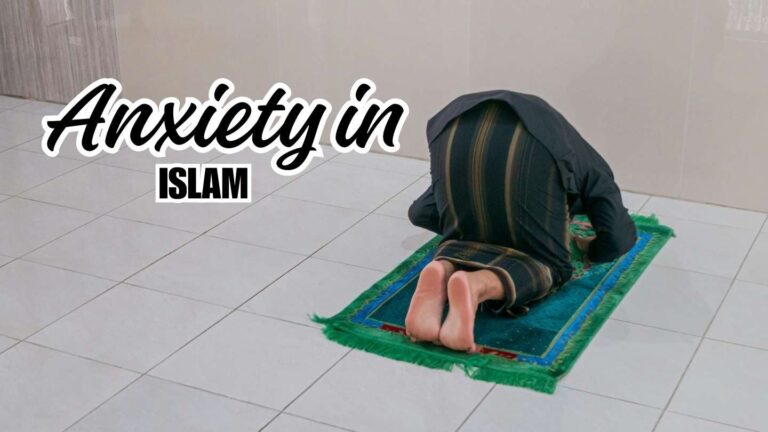

Muslim Daily Rituals for Spiritual Growth: Integrating Faith in Life
Muslim daily rituals are essential practices that guide believers in strengthening faith and maintaining a spiritual connection throughout the day. In today’s fast-paced world, integrating these rituals into modern life can be challenging, yet it is vital for personal growth, mindfulness, and inner peace. This article explores practical ways to practice prayers, recitations, charitable acts, and reflection while balancing professional responsibilities, social life, and education. By understanding the significance of each ritual and adopting consistent habits, readers can nurture both their spiritual and everyday lives. We will also discuss how these practices promote discipline, gratitude, moral integrity, and community involvement, offering actionable tips for making them a natural part of contemporary living.

Understanding Muslim Daily Rituals
Muslim daily rituals are essential practices that guide believers in nurturing their spiritual growth, maintaining discipline, and strengthening their connection with Allah. These rituals are not just religious obligations but also pathways to mindfulness, moral development, and emotional balance. From daily prayers and recitations to acts of charity and reflection, each practice is designed to instill values, self-awareness, and a sense of purpose. Understanding these rituals helps individuals integrate faith seamlessly into everyday life without compromising modern responsibilities like education, work, and family commitments.
Historical Background and Evolution
The concept of daily rituals in Islam dates back to the time of Prophet Muhammad (peace be upon him). Rituals such as the five daily prayers (Salah), reciting the Quran, and acts of charity were emphasized to cultivate spiritual discipline and community cohesion. Over centuries, these practices have remained central to Muslim life while adapting to different cultures and lifestyles. For example, Muslims in urban centers now combine traditional prayer routines with work schedules and technology to maintain consistency in their faith. This historical continuity highlights the resilience and adaptability of these practices.
Importance of Muslim Daily Rituals
Spiritual Connection and Faith Strengthening
Regular observance of daily rituals strengthens the spiritual bond with Allah. Practices like Salah, morning and evening supplications, and Quranic recitations remind believers of their purpose and encourage mindfulness in every action. These rituals foster inner peace, gratitude, and patience, helping individuals navigate the pressures of modern life effectively.
Moral and Personal Development
Daily rituals instill discipline, ethical behavior, and self-reflection. By performing charitable acts, showing kindness, and maintaining honesty, Muslims develop personal virtues that impact their professional and social lives. These practices nurture empathy, integrity, and responsibility.
Community and Social Benefits
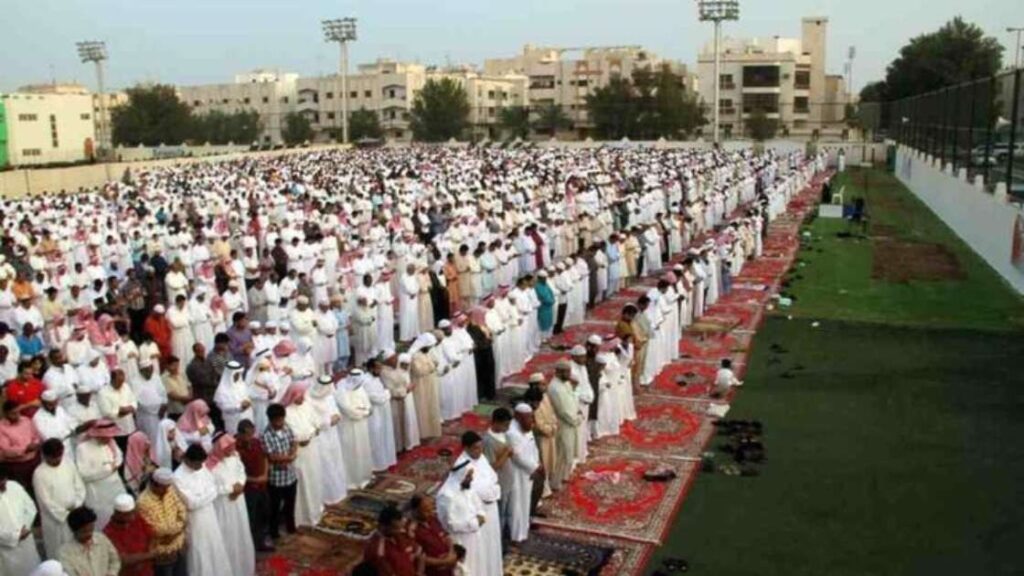
Engaging in rituals collectively, such as Friday prayers or community charity, promotes social cohesion and intergenerational respect. Such practices build strong bonds within families and local communities, reinforcing shared values and cultural identity.
Secondary keywords used: spiritual growth, mindfulness, moral development, personal virtues, community cohesion, ethical behavior, empathy
Key Muslim Daily Rituals and Their Benefits
1. Salah (Daily Prayers)
Significance of Salah
Salah is the cornerstone of Muslim daily rituals. Performing five prayers at prescribed times instills discipline and mindfulness. It provides moments of reflection and spiritual renewal, helping believers focus on their moral and ethical responsibilities.
Practical Integration in Modern Life
- Schedule prayer reminders on mobile devices
- Find quiet spaces at work or school for Salah
- Encourage family prayer times at home
- Combine Salah with meditation for stress relief
- Teach children early to develop lifelong habits
2. Quran Recitations and Dhikr (Remembrance of Allah)
Reciting the Quran and engaging in Dhikr throughout the day fosters spiritual awareness and inner peace. These practices help Muslims develop patience, gratitude, and resilience. Incorporating short recitations during breaks or using audio apps allows individuals to maintain consistency without disrupting modern routines.
3. Charitable Acts and Helping Others
Acts of charity, whether monetary, voluntary service, or simple kindness, are essential Muslim daily rituals. They cultivate empathy, social responsibility, and a sense of community. Even small gestures, such as helping a neighbor or donating online, contribute to personal growth and societal well-being.
Challenges in Practicing Muslim Daily Rituals
Balancing Rituals with Modern Life
Modern work schedules, social commitments, and technology distractions can make it challenging to perform rituals consistently. Many individuals struggle to maintain regular prayer times or integrate Quranic study into their routines.
Overcoming Common Barriers
- Use mobile reminders for prayers and Quran recitations
- Create dedicated spaces at home or office for worship
- Join local or online spiritual groups for motivation
- Combine charitable acts with daily routines, like community service during weekends
- Educate children and younger family members to establish supportive habits
These solutions help individuals uphold their spiritual practices without compromising professional or personal responsibilities.
Examples of Integrating Muslim Daily Rituals
In Professional Life
Muslims can maintain prayer routines at the office, recite short Quranic verses during breaks, or participate in charitable initiatives through workplace programs. These practices enhance focus, ethical decision-making, and stress management.
In Personal and Family Life
At home, families can schedule Salah together, engage in Quran reading, and perform charitable acts as a household activity. These routines foster stronger family bonds and instill values in children from a young age.
In Education
Students can incorporate daily rituals like morning Dhikr, short Quranic study sessions, and reflection exercises into their school or college schedules. This practice supports academic performance while nurturing spiritual growth.
Secondary keywords used: ethical decision-making, stress management, family bonds, academic performance, spiritual growth
Conclusion:
Incorporating Muslim daily rituals into modern life strengthens spiritual growth, moral discipline, and personal development. Practices like prayers, Quran recitations, charitable acts, and self-reflection promote mindfulness, empathy, and social harmony while nurturing family and community bonds. Despite modern challenges such as busy schedules and technology distractions, practical strategies allow believers to maintain consistency and integrate rituals seamlessly. Embracing these daily practices ensures emotional balance, ethical behavior, and a deeper connection with faith, making them essential for a fulfilling and purpose-driven life.