Muslim Culture and Religion Fundamentals: Expert Insights into Islamic Beliefs and Cultural Heritage
Muslim culture and religion form one of the world’s most influential and widely practiced faith traditions, shaping the lives of over 1.8 billion people across diverse continents. From the sacred teachings of the Quran to the vibrant tapestry of Islamic traditions, understanding this rich heritage offers valuable perspectives on global society. This comprehensive guide explores the foundational pillars of Islam, including daily prayers, fasting during Ramadan, and the significance of Mecca in spiritual life.
We’ll examine how Muslim culture and religion intertwine to create distinct customs, from halal dietary practices to modest dress codes that reflect deep spiritual values. Whether you’re seeking knowledge about Islamic festivals, mosque architecture, or the Prophet Muhammad’s teachings, this article provides expert insights into the beliefs, practices, and cultural expressions that define the Muslim community worldwide. Join us as we explore the beauty and depth of this timeless faith tradition.
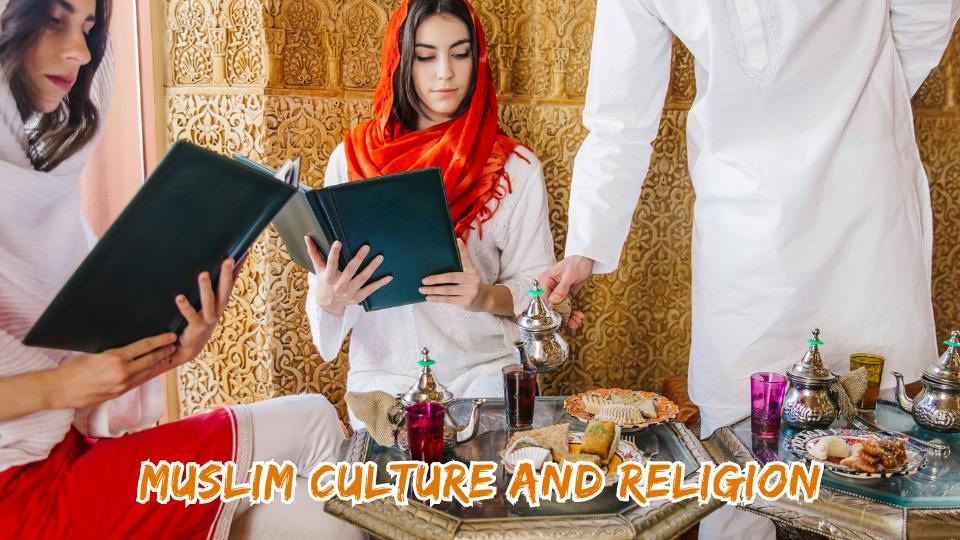
The Foundation of Islamic Beliefs
Muslim culture and religion begin with the core principle of Tawhid, the absolute oneness of God (Allah). This fundamental belief distinguishes Islam as a strictly monotheistic faith where Muslims submit to the will of Allah through worship, moral conduct, and righteous living. The religion emerged in 7th century Arabia when Prophet Muhammad received divine revelations that would later be compiled into the Quran, Islam’s holy scripture.
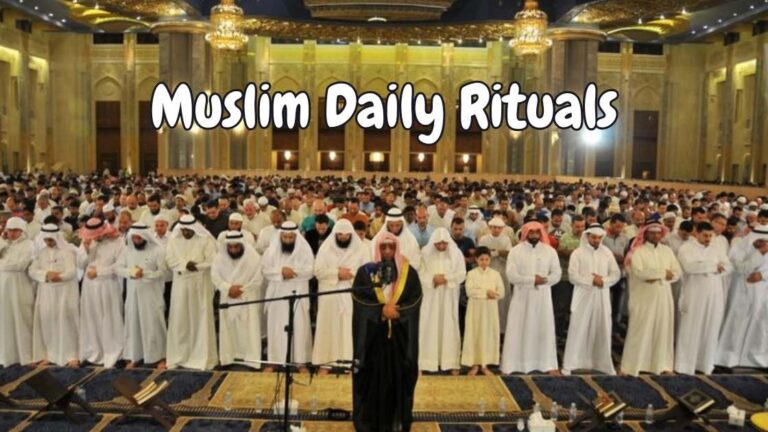
Islamic faith rests upon five essential pillars that structure a Muslim’s spiritual life. The Shahada represents the declaration of faith, affirming that there is no god but Allah and Muhammad is His messenger. Salah requires Muslims to perform five daily prayers facing Mecca, creating a rhythm of spiritual connection throughout the day. Zakat emphasizes charitable giving to support those in need, while Sawm involves fasting during the holy month of Ramadan. Finally, Hajj mandates pilgrimage to Mecca at least once in a lifetime for those physically and financially able.
The Quran and Prophetic Teachings
The Quran serves as the ultimate authority in Muslim culture and religion, containing guidance on worship, ethics, law, and daily conduct. Muslims believe it represents the literal word of Allah, revealed to Prophet Muhammad over 23 years. Complementing the Quran, the Hadith collections preserve the Prophet’s sayings and actions, providing practical examples of how to implement Islamic principles in everyday life.
Cultural Expressions Across the Muslim World
While muslim culture and religion share common foundations, regional traditions create fascinating diversity across continents. Islamic civilization has flourished from Morocco to Indonesia, developing distinct cultural identities while maintaining core religious unity.
Art and Architecture
Islamic art reflects the religion’s emphasis on divine transcendence through intricate geometric patterns, elegant calligraphy, and arabesque designs. Mosque architecture showcases this aesthetic through:
- Magnificent domes symbolizing the vault of heaven
- Towering minarets from which the call to prayer resonates
- Ornate mihrab niches indicating the direction of Mecca
- Spacious courtyards for communal gathering and reflection
- Detailed tilework featuring mathematical precision and beauty
These architectural elements demonstrate how muslim culture and religion transform sacred spaces into visual representations of faith, creating environments conducive to worship and spiritual contemplation.
Daily Life and Islamic Practices
Dietary Laws and Halal Standards
Halal practices govern what Muslims consume, ensuring food preparation aligns with Islamic law. This includes avoiding pork, alcohol, and improperly slaughtered meat. The halal certification system has grown into a global industry, reflecting how muslim culture and religion influence modern commerce and lifestyle choices.
Modest Dress and Social Conduct
Islamic teachings emphasize modesty in appearance and behavior for both men and women. While interpretations vary across cultures, the hijab worn by many Muslim women symbolizes devotion, dignity, and identity. These dress codes reflect deeper values of humility, respect, and moral consciousness central to muslim culture and religion.
Islamic Festivals and Celebrations
The Islamic calendar follows lunar cycles, creating annual celebrations that strengthen community bonds. Eid al-Fitr marks the joyous conclusion of Ramadan’s fasting period with prayers, feasting, and charitable giving. Eid al-Adha commemorates Prophet Abraham’s willingness to sacrifice his son, celebrated through animal sacrifice and meat distribution to the needy.
Ramadan itself represents the holiest month when Muslims fast from dawn to sunset, engaging in increased prayer, Quran recitation, and self-reflection. This period exemplifies how muslim culture and religion intertwine spiritual discipline with communal solidarity.
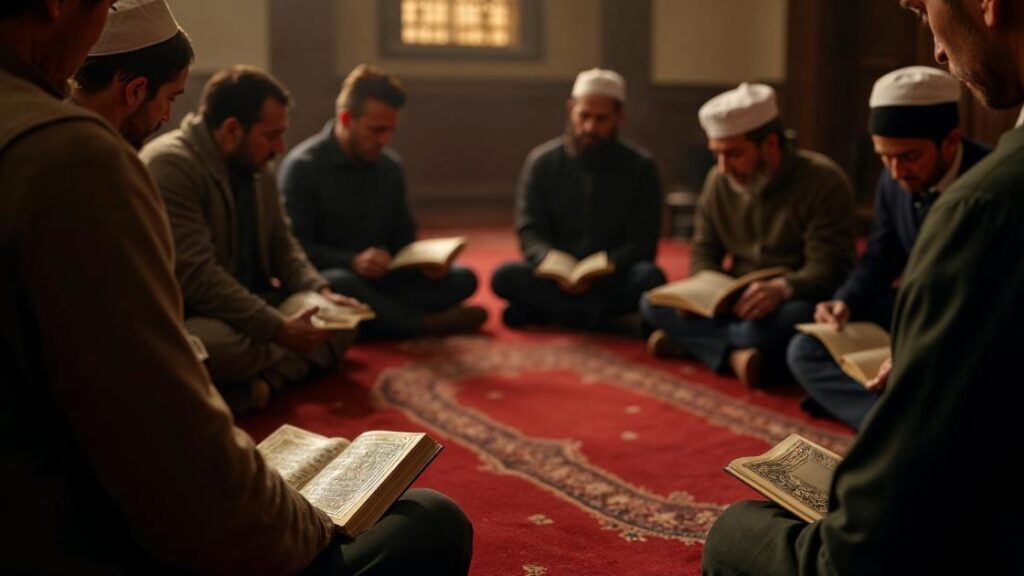
The Role of Family and Community
Family structures form the cornerstone of Muslim societies, emphasizing respect for elders, strong parental bonds, and intergenerational support. Marriage holds sacred significance as a contract fulfilling half of one’s faith. Community gatherings at mosques foster brotherhood, mutual support, and collective worship, reinforcing the communal dimension of muslim culture and religion.
Education and Knowledge
Islam places tremendous value on seeking knowledge, with the Prophet Muhammad stating that acquiring education is obligatory for every Muslim. This emphasis has historically produced scholars, scientists, and philosophers who advanced human civilization in mathematics, medicine, astronomy, and literature. Today, muslim culture and religion continue inspiring educational pursuits worldwide.
Contemporary Muslim Identity
Modern Muslims navigate preserving traditional values while engaging with contemporary society. Muslim culture and religion adapt to technological advances, global migration, and cultural exchange while maintaining fundamental beliefs. This dynamic balance demonstrates Islam’s enduring relevance across changing times and diverse contexts, offering spiritual guidance to believers navigating twenty-first century challenges.
Conclusion
Understanding muslim culture and religion provides essential insights into a faith tradition that shapes billions of lives worldwide. From the Five Pillars of Islam to diverse cultural expressions across continents, this rich heritage demonstrates how spiritual beliefs translate into daily practices, artistic achievements, and strong community bonds.
The Quran’s teachings, combined with prophetic guidance, create a comprehensive framework for ethical living and worship. As muslim culture and religion continue evolving in our globalized world, their core values of submission to Allah, charitable giving, and seeking knowledge remain timeless. Whether exploring Islamic festivals, halal practices, or mosque architecture, appreciating this profound tradition fosters greater interfaith understanding and cultural appreciation in our interconnected society.