
Proven Enlightenment Practices: A Meditation Teacher’s Guide to Spiritual Awakening and Growth
Are you searching for authentic enlightenment practices that truly transform your consciousness and deepen your spiritual journey? After two decades of guiding students through meditation, mindfulness training, and contemplative traditions, I’ve witnessed firsthand how the right techniques catalyze profound inner awakening.
This comprehensive guide draws from ancient Buddhist wisdom, modern neuroscience, and real-world teaching experience to present methods that actually work. Whether you’re beginning your path to self-realization or deepening an established practice, you’ll discover practical approaches to cultivate awareness, transcend limiting beliefs, and experience genuine spiritual growth. From breath work and contemplative meditation to mindful living strategies, these proven techniques offer a roadmap for anyone committed to consciousness expansion and lasting personal transformation.
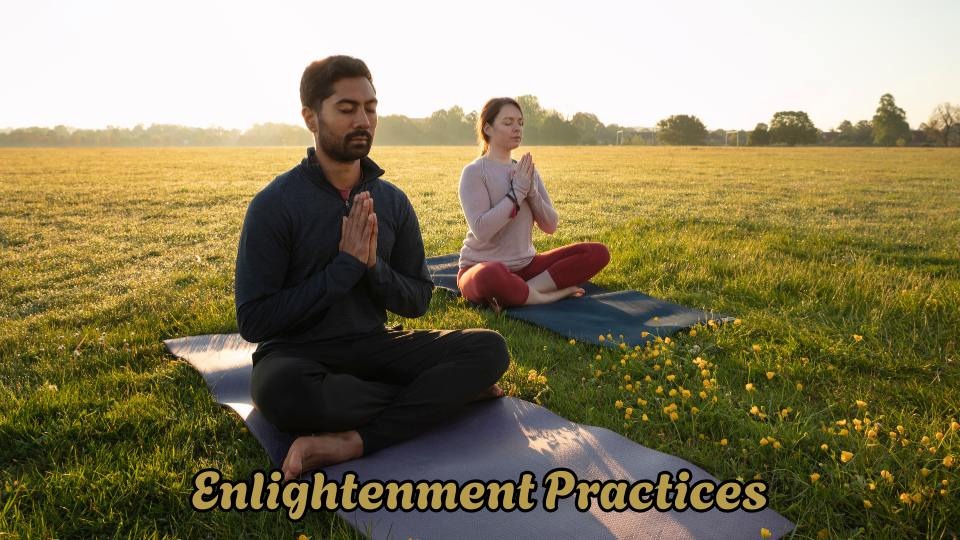
Understanding Enlightenment Practices: Foundation and Philosophy
Enlightenment practices encompass a diverse range of spiritual techniques designed to awaken consciousness and facilitate deep personal transformation. These methods have evolved over thousands of years across various contemplative traditions, from Buddhist meditation halls in Tibet to Vedic ashrams in India. At their core, these practices share a common goal: helping practitioners transcend the illusion of the separate self and experience direct awareness of reality beyond conceptual thinking.
The significance of authentic spiritual practices extends far beyond religious context. Modern neuroscience confirms what meditation teachers have known for centuries: consistent contemplative practice literally rewires the brain, enhancing emotional regulation, compassion, and cognitive clarity. Research from institutions like Harvard and UCLA demonstrates measurable changes in brain structure among long-term meditators, validating the transformative power of these ancient techniques.
Essential Types of Enlightenment Practices for Spiritual Growth
Meditation Techniques for Deep Awareness
Meditation forms the cornerstone of most enlightenment practices. Vipassana, or insight meditation, trains practitioners to observe thoughts, sensations, and emotions without attachment or judgment. This mindfulness training cultivates the witness consciousness necessary for spiritual awakening. Zen meditation emphasizes sitting in stillness, allowing the mind to settle naturally while maintaining alert awareness. Transcendental meditation uses mantras to quiet mental chatter and access deeper states of consciousness.
Contemplative Practices and Self-Inquiry
Self-inquiry involves questioning the nature of the self through direct investigation. The practice of asking “Who am I?” repeatedly directs attention inward, dissolving identification with thoughts and mental constructs. Contemplative reflection on spiritual teachings helps integrate wisdom into daily experience, transforming intellectual understanding into lived realization.
Mindful Living and Present Moment Awareness
Bringing meditation off the cushion represents a crucial aspect of genuine spiritual development. Mindful eating, walking meditation, and conscious breathing throughout the day extend practice into every moment. This continuous awareness practice accelerates consciousness expansion by eliminating the artificial boundary between formal practice and ordinary life.
Key Benefits of Consistent Enlightenment Practices
Regular engagement with spiritual practices yields profound benefits across multiple dimensions of human experience:
- Enhanced emotional intelligence and psychological resilience through increased self-awareness
- Reduced stress and anxiety as the nervous system learns to rest in natural presence
- Greater clarity and insight into life’s challenges through expanded perspective
- Deeper compassion and connection with others as ego boundaries soften naturally
- Direct experiences of peace, joy, and fulfillment independent of external circumstances
These advantages accumulate gradually through sustained practice, making patience and consistency essential virtues on the spiritual path.
How to Implement Effective Spiritual Practices: A Step-by-Step Approach
Beginning enlightenment practices requires neither special abilities nor perfect conditions. Start with just ten minutes of daily meditation, focusing on breath awareness to anchor attention in the present moment. Establish a consistent time and dedicated space for practice, signaling to your mind the importance of this commitment.
As your practice deepens, gradually extend session length and explore different techniques. Study authentic teachings from realized masters who embody the qualities you wish to develop. Join a meditation community or find a qualified teacher for guidance, accountability, and transmission of subtle aspects that books cannot convey.
Integration proves as important as formal practice sessions. Apply mindfulness training during routine activities like washing dishes or commuting. Notice habitual thought patterns without judgment, creating space between stimulus and response.

Common Challenges and How to Overcome Them
Most practitioners encounter similar obstacles along the path to spiritual awakening. Restlessness and boredom often arise during meditation as the mind resists stillness. Rather than fighting these experiences, investigate them with curiosity, recognizing them as temporary mental weather patterns.
Doubt represents another common challenge, manifesting as questions about whether you’re practicing correctly or making progress. Remember that spiritual growth rarely follows linear trajectories. Trust the process while maintaining sincere effort, and consider these difficulties as opportunities for deeper insight rather than signs of failure.
Balancing practice with worldly responsibilities requires wisdom and flexibility. Rather than viewing spiritual development as separate from daily life, recognize every interaction as potential practice ground for presence, compassion, and conscious awareness.
Conclusion
Embarking on enlightenment practices transforms your entire relationship with life, consciousness, and inner peace. Throughout this guide, we’ve explored meditation techniques, mindful living strategies, and contemplative methods that foster genuine spiritual awakening. The path to self-realization demands consistency, patience, and sincere commitment to your personal transformation. Whether you’re drawn to Buddhist wisdom, breath work, or self-inquiry, remember that authentic enlightenment practices work through dedicated application rather than intellectual understanding alone. Begin where you are, trust the process, and allow these proven techniques to guide your consciousness expansion. Your spiritual growth journey starts with a single conscious breath today.