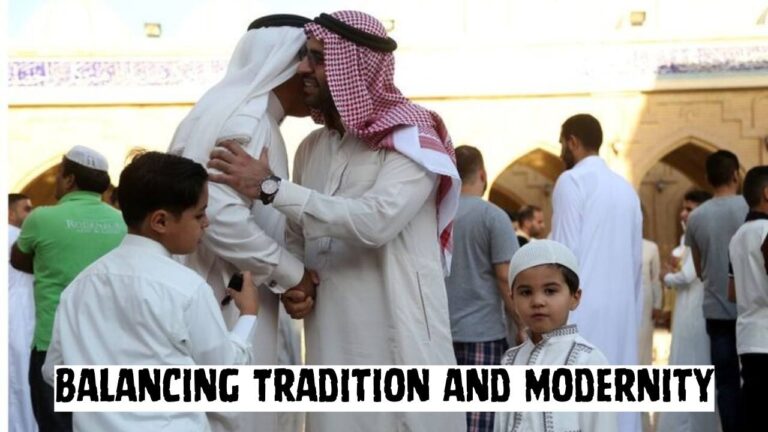

Exploring the Daily Life of a Muslim Teenager Faith, Culture, Routine
The daily life of a Muslim teenager is a unique blend of faith, education, family, and social experiences. Balancing school, extracurricular activities, and religious obligations requires discipline and mindfulness.
In this article, we explore the daily life of a Muslim teenager, highlighting how they manage daily prayers, academic responsibilities, family engagements, and social interactions. We will also cover cultural traditions, community involvement, and personal development strategies. By understanding the daily life of a Muslim teenager, parents, educators, and peers can provide better guidance and support for their growth, resilience, and identity development.

Understanding the Daily Life of a Muslim Teenager
The daily life of a Muslim teenager reflects a balance between modern responsibilities and traditional values. Faith, family, and social interactions shape routines, while education and hobbies keep teens engaged. Understanding these aspects helps adults support teenagers in maintaining both spiritual and personal growth.
Key Components of a Muslim Teenager’s Routine
Faith and Spirituality
Faith is central in the daily life of a Muslim teenager. Daily prayers, fasting, and attending religious classes instill discipline and moral responsibility. These practices strengthen identity and provide guidance in everyday decisions.
Benefits of a faith-centered routine include:
- Improved time management and discipline
- Enhanced sense of purpose and identity
- Strong moral and ethical grounding
- Closer family and community connections
- Emotional resilience during challenges
Education and Academic Responsibilities
Education is a major part of the daily life of a Muslim teenager. Balancing school, homework, and religious studies requires careful planning. Supplementary classes like Quran memorization or Islamic studies enhance both knowledge and spirituality.
Tips for Balancing Studies and Faith
- Set dedicated time blocks for study and prayers
- Prioritize tasks using a daily planner
- Avoid distractions during study sessions
- Take breaks for reflection or spiritual reading
- Seek family or mentor support when overwhelmed
Family Life and Cultural Values
Family engagement is crucial in the daily life of a Muslim teenager. Respecting elders, assisting in household responsibilities, and participating in cultural events teach empathy, patience, and cooperation.
Examples of Family Practices
- Sharing daily meals together
- Participating in religious celebrations like Eid
- Helping younger siblings with studies
- Attending weekend family gatherings
- Supporting parents in community initiatives
Social Life and Peer Interactions
Social connections shape the daily life of a Muslim teenager. Teens navigate friendships at school, religious institutions, and online communities while balancing cultural and religious norms.
Key aspects include:
- Mosque or Islamic center activities
- Volunteering for community projects
- Cultural events participation
- Mindful online social interactions
- Peer mentorship programs

Challenges Faced by Muslim Teenagers
The daily life of a Muslim teenager comes with unique challenges. Balancing modern influences with religious obligations can lead to stress or identity conflicts. Peer pressure and social expectations sometimes clash with family or faith-based values. Recognizing these challenges is essential for supportive guidance.
Strategies to Overcome Challenges
- Promote open conversations about identity and goals
- Encourage supportive peer groups
- Practice stress management through prayer or meditation
- Connect teens with community mentors
- Foster resilience through reflection and self-awareness
Health and Wellness
Physical and mental well-being is an essential part of the daily life of a Muslim teenager. Exercise, proper nutrition, and sleep, combined with spiritual practices, support overall health and mindfulness.
Tips for Maintaining Health
- Include regular sports or physical activity
- Maintain a consistent sleep schedule
- Eat a balanced diet during school and fasting
- Practice mindfulness through reflection and prayer
- Seek professional help if needed
Benefits of a Structured Routine
A well-organized schedule enhances the daily life of a Muslim teenager by creating balance between responsibilities and personal growth. Benefits include:
- Better academic performance
- Stronger self-discipline and self-esteem
- Growth in spiritual and ethical development
- Improved time management skills
- Stronger family and community bonds
Recommendations for Parents and Educators
Parents and educators can positively influence the daily life of a Muslim teenager by offering guidance and support. Clear routines, emotional support, and opportunities for spiritual and personal growth strengthen overall development.
Suggested approaches include:
- Create flexible daily routines that allow personal growth
- Encourage participation in school and spiritual activities
- Maintain open communication about challenges
- Celebrate achievements in faith, academics, and community
- Provide mentorship from positive role models
Conclusion
The daily life of a Muslim teenager combines education, faith, family, social engagement, and personal growth. Understanding their routines and challenges allows parents, educators, and peers to offer support that fosters resilience, discipline, and ethical decision-making. Incorporating spiritual practices, cultural traditions, and structured routines strengthens identity and well-being. By encouraging a balanced lifestyle with focus on time management, community involvement, and personal development, the daily life of a Muslim teenager becomes a journey of growth, learning, and meaningful achievements.