

Spiritual Purification in Islam and Self-Development Through Faithful Living
Spiritual purification in Islam is a deeply transformative journey that begins within the heart and reflects in everyday actions. In a world filled with distractions and inner struggles, many people seek lasting peace, purpose, and clarity through faith.
This process focuses on cleansing negative traits, strengthening character, and aligning intentions with divine guidance. Rooted in Tazkiyah, Islamic teachings emphasize personal growth through self development in Islam, guided by the Quran and Sunnah. This article explores how sincere belief, mindful practices, and spiritual discipline lead to true purification of the heart. You will discover how Islamic spirituality nurtures emotional balance, builds moral strength, and transforms the soul into a source of inner peace and resilience.

Understanding the Meaning of Spiritual Purification
Definition and Core Concept
Spiritual purification in Islam refers to the conscious effort of cleansing the heart from harmful traits and nurturing virtues that please Allah. This process is known as Tazkiyah of the soul, which focuses on inner reform before outward change. It encourages believers to examine intentions, thoughts, and behaviors to achieve true purification of the heart.
Connection With Faith and Inner Growth
At its core, this journey strengthens Islamic spirituality by aligning the soul with divine guidance. Through sincere repentance, remembrance, and obedience, a person moves closer to Allah while improving emotional balance and moral awareness.
Historical and Religious Background
Roots in Quran and Sunnah
The foundation of Spiritual purification in Islam is deeply embedded in the Quran and Sunnah. Numerous verses emphasize self accountability, humility, and righteousness as paths to success. The Prophet Muhammad emphasized refining character as an essential part of faith.
Scholarly Contributions Over Time
Classical scholars expanded this concept through teachings on self development in Islam, highlighting discipline, patience, and ethical living. Their works continue to guide Muslims toward meaningful faith based self improvement today.
Why Spiritual Purification Matters in Daily Life
Importance for Personal and Social Well Being
Practicing Spiritual purification in Islam shapes both inner peace and social harmony. A purified heart reduces jealousy, anger, and arrogance, replacing them with compassion and sincerity. This inner clarity supports healthier relationships and responsible behavior.
Impact on Emotional and Mental Health
Through consistent reflection and remembrance, believers develop inner peace through Islam. This calmness helps manage stress, guilt, and emotional struggles while fostering resilience and hope.
Benefits of Practicing Spiritual Purification
Positive Transformation of Character
One of the greatest rewards of Spiritual purification in Islam is the development of strong moral character. Traits such as honesty, gratitude, and patience naturally grow through spiritual awareness.
Key Benefits Explained
- Stronger connection with Allah through Islamic spirituality
- Improved self control and discipline using faith based self improvement
- Enhanced emotional stability linked to purification of the heart
- Clarity of purpose through self development in Islam
- Deeper sense of contentment and gratitude
Practical Methods for Spiritual Growth
Daily Acts That Support Purification
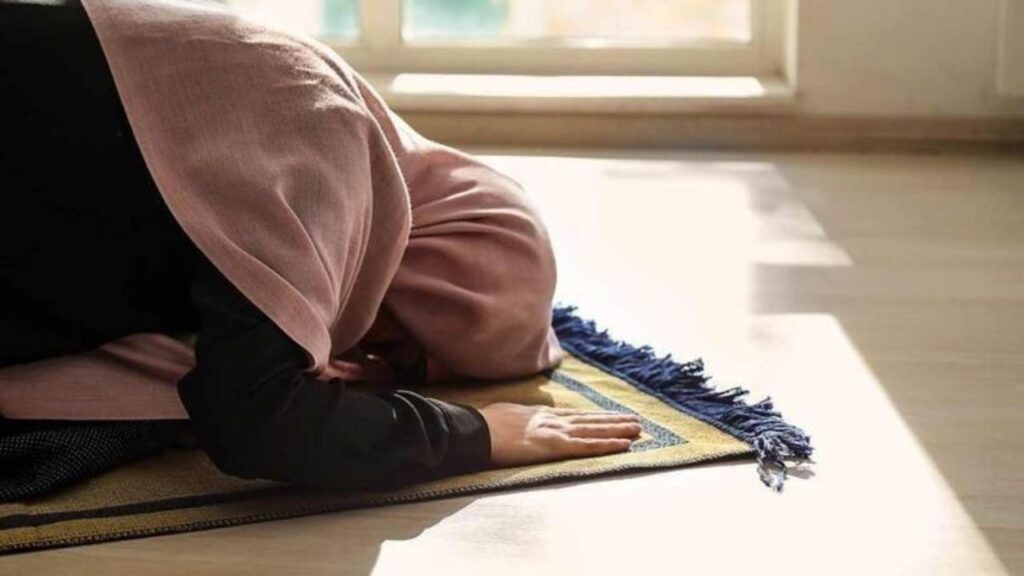
Consistent worship forms the backbone of Spiritual purification in Islam. Prayer, fasting, and charity soften the heart and increase mindfulness of Allah. These practices reinforce Tazkiyah of the soul through action and intention.
Role of Reflection and Awareness
Self reflection allows individuals to recognize weaknesses without despair. By evaluating daily actions and intentions, believers strengthen Islamic spirituality and remain conscious of personal growth.
Challenges in the Journey of Purification
Internal and External Obstacles
The path of Spiritual purification in Islam is not free from struggle. Desires, ego, and worldly distractions often interfere with progress. Identifying these obstacles marks the beginning of meaningful change and progress.
Maintaining Consistency Over Time
One common challenge is maintaining regular effort. Spiritual growth requires patience and persistence. Supportive environments and learning from authentic sources help sustain faith based self improvement.
Real Life Examples of Spiritual Transformation
Personal Change Through Faith
Many individuals experience profound transformation by committing to Spiritual purification in Islam. For example, someone struggling with anger may adopt remembrance and patience, gradually achieving emotional balance.
Community Level Impact
On a broader level, communities that value self development in Islam often display stronger unity and compassion. Acts of kindness, honesty, and social responsibility reflect the results of collective purification of the heart.
Long Term Effects on the Soul
Building a Lasting Inner Foundation
Over time, Spiritual purification in Islam reshapes how a person views life, success, and hardship. Faith becomes a source of strength rather than ritual alone.
Preparing for Accountability
This journey reminds believers of ultimate accountability, encouraging sincere repentance and continuous growth. Through Quran and Sunnah, the soul learns humility, purpose, and trust in Allah’s wisdom.
Conclusion:
The journey of Spiritual purification in Islam focuses on cleansing the heart, refining character, and strengthening the connection with Allah. Through Tazkiyah of the soul, reflection, and consistent worship, believers achieve emotional balance, moral clarity, and purposeful living. Rooted in the Quran and Sunnah, this process supports lasting self development in Islam and nurtures inner peace through Islam. By committing to purification as a lifelong practice, individuals build resilience, sincerity, and compassion, allowing Islamic spirituality to positively transform both personal life and the wider community.