Virtues of Dhul Hijjah: The Most Sacred Days in Islam
The virtues of Dhul Hijjah represent one of the greatest spiritual opportunities in the Islamic calendar. These blessed ten days offer Muslims a unique chance to sincerely repent, get closer to Allah, and combine acts of worship in a way that is impossible at any other time of the year. Whether you are performing Hajj or worshipping from home, this sacred month carries immense rewards and blessings.
In this comprehensive guide, we will explore the significance of the first ten days, the Day of Arafah, recommended acts of worship, fasting during Dhul Hijjah, the importance of Qurbani sacrifice, and how to maximize your spiritual rewards during this blessed period. Grasping the virtues of Dhul Hijjah will empower you to embrace a deeply meaningful and spiritually enriching experience during this blessed time.
Understanding the Virtues of Dhul Hijjah and Its Sacred Significance
Dhul Hijjah holds a special position as the twelfth and final month of the Islamic lunar calendar. This month is extremely important as Allah (SWT) has immensely blessed it, and believers who engage with good practices and avoid sins are eligible in obtaining these many blessings and rewards. The name itself translates to “the month of the pilgrimage,” signifying its deep connection with Hajj.
In the Islamic calendar, Allah s.w.t. has not made the days equal. Instead, He has preferred and blessed certain days and timings over others. This is actually great wisdom and blessing from the Almighty, because if all days were the same, we would not be enthused at certain times of the year over others. The virtues of Dhul Hijjah remind us that Allah grants special opportunities for increased worship and spiritual growth.
Why Allah Swears by These Ten Days
Allah swears an oath by these days, and swearing an oath by something is indicative of its importance and great benefit. Allah declares in the Holy Quran: “By the dawn and by the ten nights” (Surah Al Fajr 89:1-2). This divine oath in the Quran emphasizes the extraordinary status of these blessed days.
Ibn Abbas, Ibn al-Zubayr, Mujahid and others of the earlier and later generations said that this refers to the first ten days of Dhul Hijjah. When the Creator of the universe specifically mentions these days, Muslims should recognize their profound significance and prepare accordingly.
The Significance of the First Ten Days
The first ten days of Dhul Hijjah are the most virtuous days of the year, in which Allah (swt) has blessed his Ummah with opportunities to multiply their rewards through His infinite mercy. These days surpass even the last ten days of Ramadan in virtue, though the nights of Ramadan remain superior.
The virtues of Dhul Hijjah become evident when we understand that good deeds done on these days are unlike, and even surpass, the good deeds that are done on any other day of the year. This makes every act of worship during this period exceptionally valuable.
Recommended Acts of Worship
Muslims are encouraged to maximize their devotion during these sacred days through various acts of worship:
- Fasting the first nine days especially the Day of Arafah which expiates sins of two years
- Reciting Takbeer and Dhikr by saying Allahu Akbar, Alhamdulillah, and La ilaha illallah frequently
- Performing extra prayers including voluntary Nafl prayers throughout the day
- Giving charity generously as acts of kindness carry multiplied rewards
- Reading and reflecting upon the Quran to strengthen spiritual connection
The companions Ibn Umar and Abu Hurayrah (may Allah be pleased with them) would visit the marketplace during the first ten days, loudly proclaiming Takbeer, inspiring others to join them in this beautiful act of remembrance.
The Day of Arafah and Its Blessings
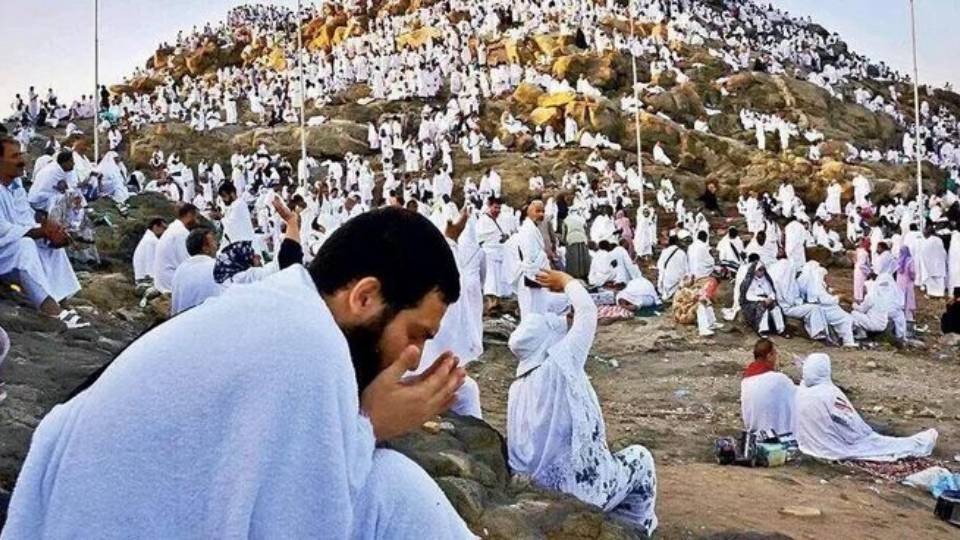
The ninth day represents the pinnacle of the virtues of Dhul Hijjah and holds unmatched spiritual significance. The Day of Arafah is the day on which Allah perfected His religion, completed His favours upon His beloved Prophet Muhammad ﷺ, and chose Islam as a way of life.
Fasting on the Ninth Day
The Messenger of Allah (peace be upon him) stated that observing fast on the Day of Arafah wipes away the sins of the preceding year and the following year. This extraordinary blessing makes fasting on this sacred day highly encouraged for Muslims who are not undertaking the Hajj pilgrimage.
Similar to how Laylat al Qadr stands as the most honored night of the year, the Day of Arafah holds the distinction of being the most blessed day. The Prophet (peace be upon him) affirmed that Allah liberates more souls from the Hellfire on this day than on any other day throughout the year.
Hajj and Qurbani During Dhul Hijjah
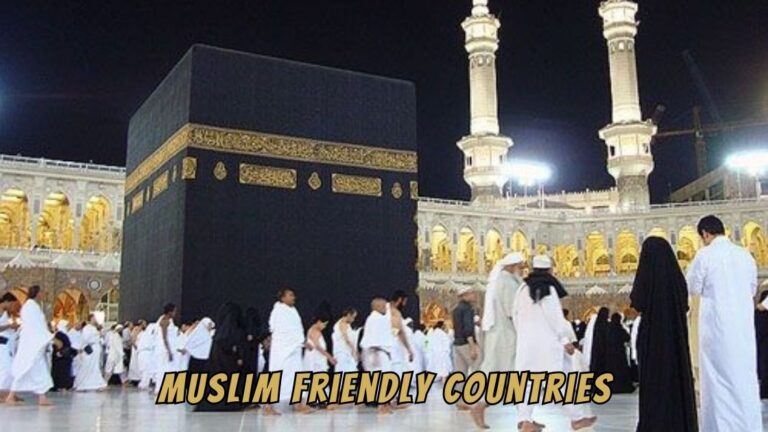
The holy pilgrimage of Hajj takes place annually and stands as one of the Five Pillars of Islam. This sacred journey is obligatory for every capable Muslim to perform at least once during their lifetime. The pilgrimage rituals performed during these days symbolize unity and complete submission to Allah.
The Practice of Qurbani Sacrifice
Qurbani is the animal sacrifice carried out by all Muslims on the Islamic festival of Eid ul Adha. Every eligible Muslim is required to perform the Qurbani sacrifice during this sacred month. This beautiful act honors and commemorates the remarkable devotion of Prophet Ibrahim (AS) who demonstrated complete submission to Allah’s command.
The virtues of Dhul Hijjah extend to those who cannot perform Hajj through these acts:
- Offering Qurbani sacrifice and distributing meat to the needy
- Attending Eid prayers and celebrating with the community
- Maintaining family ties and showing kindness to neighbors
- Seeking forgiveness and making sincere repentance
- Increasing charitable donations to help the less fortunate
The Sunnah indicates that the one who wants to offer a sacrifice must stop cutting his hair and nails from the beginning of the ten days until after he has offered his sacrifice. This practice demonstrates commitment to the sacred rituals of this blessed month.
Conclusion
The virtues of Dhul Hijjah offer Muslims an extraordinary opportunity to strengthen their relationship with Allah and earn immense spiritual rewards. From fasting on the Day of Arafah to performing Qurbani sacrifice and increasing acts of worship, these blessed ten days provide countless ways to seek forgiveness and multiply good deeds. Whether you are embarking on the holy pilgrimage of Hajj or worshipping from home, make the most of this sacred period through sincere repentance, generous charity, and consistent remembrance of Allah. May Allah accept our efforts and grant us the full blessings of the virtues of Dhul Hijjah this year and always.