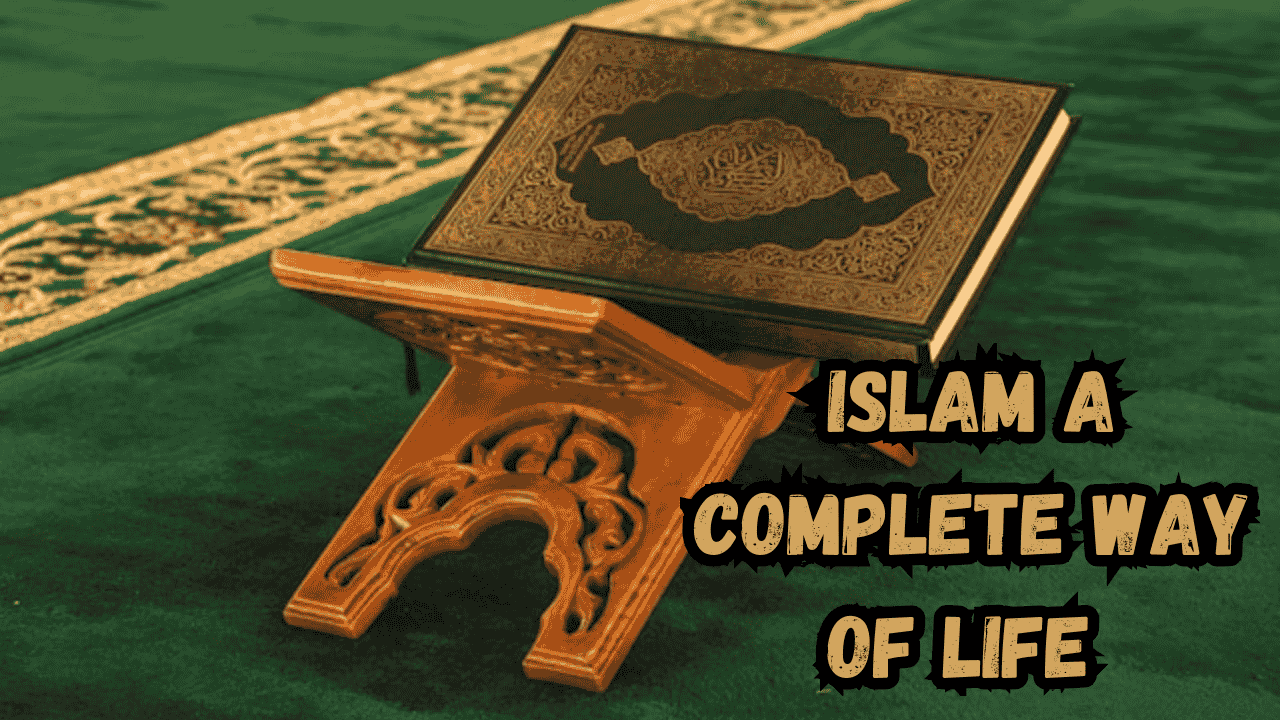
Islam a Complete Way of Life: Integrating Faith, Morality, and Daily Practices
Islam a complete way of life offers profound insights into how faith can shape every aspect of human existence. Beyond spiritual rituals, Islam provides guidance on ethics, family relations, social responsibilities, and personal conduct, creating a holistic framework for living with purpose and balance. This article explores how Islamic teachings influence moral values, daily routines, community interactions, and personal development, emphasizing the integration of belief and action. Readers will gain a practical understanding of how principles such as compassion, honesty, discipline, and justice are woven into everyday decisions, making Islam not just a religion, but a comprehensive guide for achieving harmony in life while nurturing spiritual growth.
Understanding Islam a Complete Way of Life
At its core, Islam a complete way of life is a holistic framework that governs not only spiritual beliefs but also moral conduct, social responsibilities, and personal behavior. It is more than a set of rituals or prayers; it is a system designed to guide human beings in achieving balance, purpose, and harmony in every aspect of life. The foundation of this way of life is rooted in the Qur’an and the teachings of the Prophet Muhammad, emphasizing that faith and action are inseparable. From early history, Islam has provided principles that direct individuals toward ethical living, community welfare, and personal growth, demonstrating that religion and daily living are inherently intertwined.
Historical Background and Significance
Islam originated in the 7th century in the Arabian Peninsula, introducing a paradigm where spiritual devotion complements societal order and personal ethics. The Prophet Muhammad emphasized that following Allah’s guidance extends beyond worship and affects interpersonal relationships, business dealings, education, and governance. This comprehensive approach is significant because it offers a clear moral compass and practical solutions for challenges in daily life. Over centuries, Islamic principles have shaped diverse societies, influencing laws, cultural norms, and social structures while maintaining the balance between individual rights and collective responsibilities. Understanding this history provides context for why Islam continues to be regarded as a complete lifestyle system.
Core Principles and Key Features
One of the distinguishing features of Islam a complete way of life is the integration of spiritual, ethical, and practical guidance. Faith in Allah is accompanied by moral duties such as honesty, justice, compassion, and humility, ensuring that believers not only worship but also live responsibly. Daily practices like prayer, fasting, charity, and ethical business conduct reflect this integration. Islam also emphasizes knowledge, reflection, and community service, reinforcing the idea that spiritual growth cannot be separated from societal contribution. These principles collectively create a balanced approach where morality, devotion, and daily activities coexist harmoniously.
Moral and Ethical Guidance
Ethical conduct in Islam is more than adherence to rules; it is a conscious practice of virtues in all areas of life. Honesty in trade, respect for parents and elders, fairness in governance, and compassion toward the vulnerable are all emphasized. This moral guidance ensures that personal actions contribute positively to society. Ethical teachings extend to environmental stewardship, economic fairness, and conflict resolution, illustrating the wide-ranging influence of Islamic principles. By embedding these values into daily routines, Islam promotes accountability and integrity, shaping individuals who contribute constructively to their communities.
Integration into Daily Life
The practical implementation of Islam encompasses routines, personal habits, and societal interactions. From performing the five daily prayers to maintaining dietary guidelines and engaging in charitable acts, believers integrate faith into tangible actions. This integration ensures that spirituality is not abstract but experienced continuously. Social interactions, professional conduct, and family responsibilities are approached with mindfulness and moral awareness. Over time, these habits create a lifestyle where devotion and ethics are inseparable from daily living, offering a sense of purpose, discipline, and satisfaction.
Benefits and Advantages
Embracing Islam a complete way of life offers several advantages. It provides a structured moral framework, encourages personal development, and fosters social cohesion. Spiritual practices enhance inner peace and resilience, while ethical teachings cultivate trust and respect in relationships. Individuals gain clarity in decision-making, balance in work and personal life, and guidance during moral dilemmas. Furthermore, the emphasis on community welfare encourages generosity, empathy, and collaborative problem-solving. Collectively, these benefits create a lifestyle that nurtures the body, mind, and spirit simultaneously.
Challenges and Practical Considerations
While the comprehensive nature of Islam provides clear guidance, it also presents practical challenges. Adhering consistently to daily prayers, ethical principles, and social responsibilities can be demanding, especially in fast-paced modern societies. Some individuals may struggle to reconcile traditional practices with contemporary lifestyles. However, by understanding the underlying purpose of these teachings spiritual growth, moral clarity, and social harmony practitioners can navigate challenges effectively. Flexibility and personal reflection allow believers to apply Islamic principles in ways that are meaningful, sustainable, and relevant to their circumstances.
Steps to Incorporate Islam in Daily Life
Integrating Islam into everyday routines can be approached through simple, actionable steps:
- Prioritize spiritual practices such as daily prayers and reflection to strengthen faith
- Apply ethical principles consistently in professional, social, and personal interactions
- Engage in charitable acts and community service to enhance social responsibility
- Maintain a balanced lifestyle with healthy habits and mindfulness in all activities
- Seek continuous learning through religious education and self-improvement to align actions with Islamic teachings
These steps demonstrate that Islam is not limited to ritual observance but encompasses practical, ethical, and personal development strategies that enhance every aspect of life.
Real-Life Applications and Examples
The impact of living Islam a complete way of life is evident in various communities around the world. Families who follow Islamic guidance often report strong interpersonal bonds, mutual respect, and structured routines that enhance well-being. Business professionals who apply ethical principles foster trust, reliability, and fairness in their workplaces. Educational institutions that incorporate moral and spiritual teachings cultivate not only intellectual growth but also character development. These examples illustrate that the principles of Islam are versatile and adaptable, offering practical solutions for contemporary challenges while remaining rooted in timeless values.
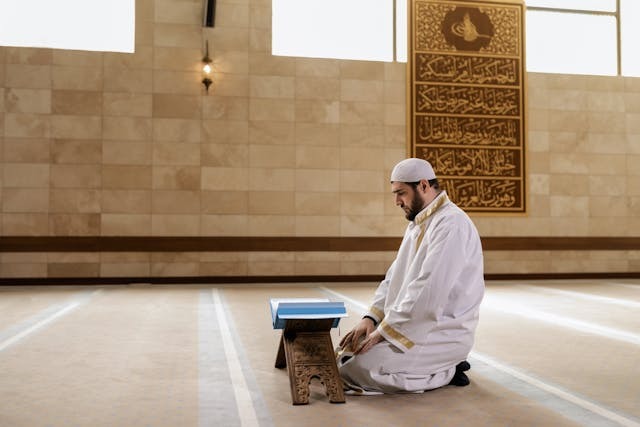
Recommendations for a Balanced Life
To fully benefit from Islam a complete way of life, it is recommended to approach faith with intention and reflection. Balance spiritual obligations with ethical conduct and personal development, ensuring that every action aligns with broader moral goals. Engage with knowledgeable mentors or scholars, participate in community activities, and continuously seek self-improvement. By integrating faith into all areas of life, individuals can achieve harmony, purpose, and fulfillment while contributing positively to society. Adopting this holistic approach transforms Islam from a set of beliefs into a living, practical, and enriching lifestyle.
Conclusion
Embracing Islam a complete way of life offers a holistic approach that integrates faith, morality, and daily practices. By following its ethical guidance, spiritual routines, and social responsibilities, individuals can achieve balance, purpose, and personal growth. The principles of honesty, compassion, and community service provide practical tools for navigating modern challenges while fostering harmony in personal and professional life. Understanding and applying these teachings enhances both spiritual well-being and societal contribution, demonstrating that Islam is not just a religion but a comprehensive lifestyle that enriches every aspect of human existence.