
Islamic Daily Life Essentials Experience-Based Guidance for Purposeful Muslim Living
Islamic daily life is not limited to rituals alone; it is a practical way of living that shapes character, choices, and intentions. Drawing from lived experience and authentic Islamic teachings, this guide explores how faith can be meaningfully applied in everyday routines. From morning intentions to ethical behavior at work and home, Islam offers clear guidance for balance and purpose.
This article will cover core practices that strengthen spirituality, improve personal discipline, and nurture strong family values. You will also learn how daily worship, halal lifestyle choices, moral conduct, and Sunnah-based habits help Muslims navigate modern challenges while remaining grounded in faith. By understanding these essentials, readers can build a lifestyle rooted in mindfulness, responsibility, and lasting spiritual growth.

Understanding Islamic Daily Life in a Modern Context
Islamic daily life refers to the conscious application of Islamic principles in everyday actions, decisions, and interactions. It goes beyond acts of worship and influences how Muslims think, work, communicate, and build relationships. Rooted in the Quran and Sunnah, this way of living developed alongside early Muslim communities and continues to evolve while maintaining its core values. Today, it helps Muslims balance faith and modern responsibilities, offering clarity in a fast paced world.
Historical and Spiritual Background
From the time of the Prophet Muhammad ﷺ, daily routines were shaped by intention, remembrance of Allah, and ethical conduct. Early Muslims practiced faith not as a separate activity but as a constant presence in personal and social life. This historical foundation highlights why Islamic teachings remain relevant and adaptable across cultures and generations.
Core Elements That Shape Daily Muslim Practices
Worship as a Daily Anchor
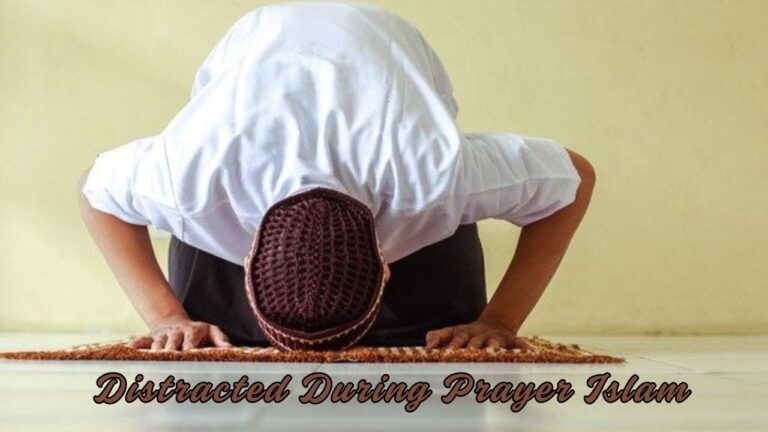
Daily worship forms the spiritual backbone of Muslim routines. The five daily prayers structure time, encourage discipline, and strengthen the connection with Allah. Recitation of the Quran, supplication, and remembrance also bring calm and purpose to everyday moments, making spirituality an active part of normal life.
Ethical Conduct and Social Responsibility
Morality is central to Islamic teachings. Honesty, patience, and kindness are emphasized in family life, business dealings, and community interactions. These values ensure that faith is reflected not only in private worship but also in public behavior.
Role of Intentions in Everyday Actions
Intentions transform ordinary activities into acts of worship. Working honestly, caring for family, or seeking knowledge all carry spiritual value when done sincerely. This mindset is a defining feature of Islamic daily life, helping believers stay mindful throughout the day.
Key Features and Benefits of Living With Islamic Principles
Adopting Islamic guidance in routine activities offers both spiritual and practical benefits. It creates balance, strengthens character, and builds a sense of accountability. Muslims who follow these principles often experience inner peace and clearer priorities.
Key features include:
- Structured daily worship that promotes time management
- Strong emphasis on moral behavior and ethics
- Focus on halal earnings and responsible consumption
- Respect for family values and social harmony
- Continuous self improvement through faith and knowledge
These features support emotional wellbeing, community trust, and long term spiritual growth.
Daily Routines at Home and Work
At home, Islamic teachings guide respectful family relationships, cleanliness, and shared responsibilities. At work, professionalism, fairness, and trustworthiness reflect faith in action. Even simple habits such as greeting others with peace or avoiding harmful speech reinforce Islamic values.
Managing Modern Challenges
Living according to faith today can be challenging due to busy schedules, digital distractions, and social pressures. However, Islamic guidance encourages moderation, conscious choices, and regular self reflection. These tools help Muslims remain grounded without withdrawing from society.
Balancing Faith and Contemporary Living
Islam does not discourage progress or innovation. Instead, it provides ethical boundaries that help Muslims benefit from modern opportunities while avoiding harm. This balance allows faith to remain relevant in education, careers, and technology.
Practical Steps to Strengthen Faith Based Living
Implementing Islamic teachings consistently requires intention and effort. The following steps help integrate faith into Islamic daily life:
- Begin each day with sincere intention and remembrance
- Prioritize obligatory worship and schedule tasks around it
- Seek halal income and ethical consumption habits
- Practice patience and good character in interactions
- End the day with reflection and gratitude
Following these steps gradually strengthens commitment and consistency in Islamic daily life.

Common Challenges and How to Overcome Them
Many Muslims struggle with time management, peer influence, or lack of knowledge. These challenges can lead to inconsistency or burnout. Seeking authentic knowledge, maintaining supportive company, and making small sustainable changes are effective ways to overcome these obstacles.
Importance of Continuous Learning
Learning is a lifelong obligation in Islam. Regular study of Islamic teachings, whether through books or trusted scholars, helps clarify doubts and deepen understanding. Knowledge empowers Muslims to practice confidently and avoid misunderstandings.
Why Islamic Daily Life Remains Significant Today
In a world filled with uncertainty and stress, Islamic guidance offers stability and meaning. It encourages mindfulness, responsibility, and compassion, qualities that benefit both individuals and society. By living with purpose and awareness, Muslims can positively influence their surroundings.
Ultimately, Islamic daily life is a holistic approach that nurtures spirituality while supporting practical living. When practiced with sincerity and balance, it becomes a source of strength, clarity, and lasting fulfillment.
Conclusion
Living according to Islamic daily life principles offers a balanced approach that blends worship, ethics, and practical responsibilities. This article highlighted how faith based routines, sincere intentions, moral conduct, and continuous learning shape a purposeful Muslim lifestyle. By applying Islamic teachings at home, work, and within society, Muslims can maintain spiritual stability while facing modern challenges. Embracing Islamic daily life is not about perfection but consistency, mindfulness, and growth. When practiced sincerely, it nurtures inner peace, strengthens character, and positively influences both personal life and the wider community.