Muslim Family Values Explained Through Faith, Tradition, and Practical Life Guidance
Muslim family values form the foundation of a balanced and meaningful household, shaped by years of lived experience, religious teachings, and cultural wisdom passed down through generations. From an Islamic perspective, family is not just a social unit but a trust built on compassion, respect, and responsibility.
This article explores how Quranic guidance, Sunnah-based practices, and time-tested traditions influence marriage, parenting, and daily interactions. It also highlights the role of moral upbringing, mutual respect, family responsibilities, and ethical behavior in nurturing strong relationships at home. By connecting faith with modern challenges, the discussion offers practical life guidance that remains relevant today, helping families maintain harmony while preserving spiritual identity and cultural values in an ever-evolving world.
Foundations and Meaning Within Islamic Teachings
In understanding Muslim family values, it is important to begin with their roots in Islamic belief and lived tradition. Islam places the family at the center of social and spiritual life, viewing it as the primary space where faith, character, and responsibility are nurtured. The Quran and the teachings of the Prophet Muhammad guide relationships between spouses, parents, and children through principles of mercy, justice, and mutual care.
These values did not emerge suddenly but developed through centuries of religious scholarship and community practice, shaping how families organize daily life, resolve conflict, and support one another. Within this framework, respect for elders, compassion for the young, and accountability to God form a continuous moral structure that influences every stage of family life.
Role of Faith in Daily Family Life
Spiritual Guidance in the Home
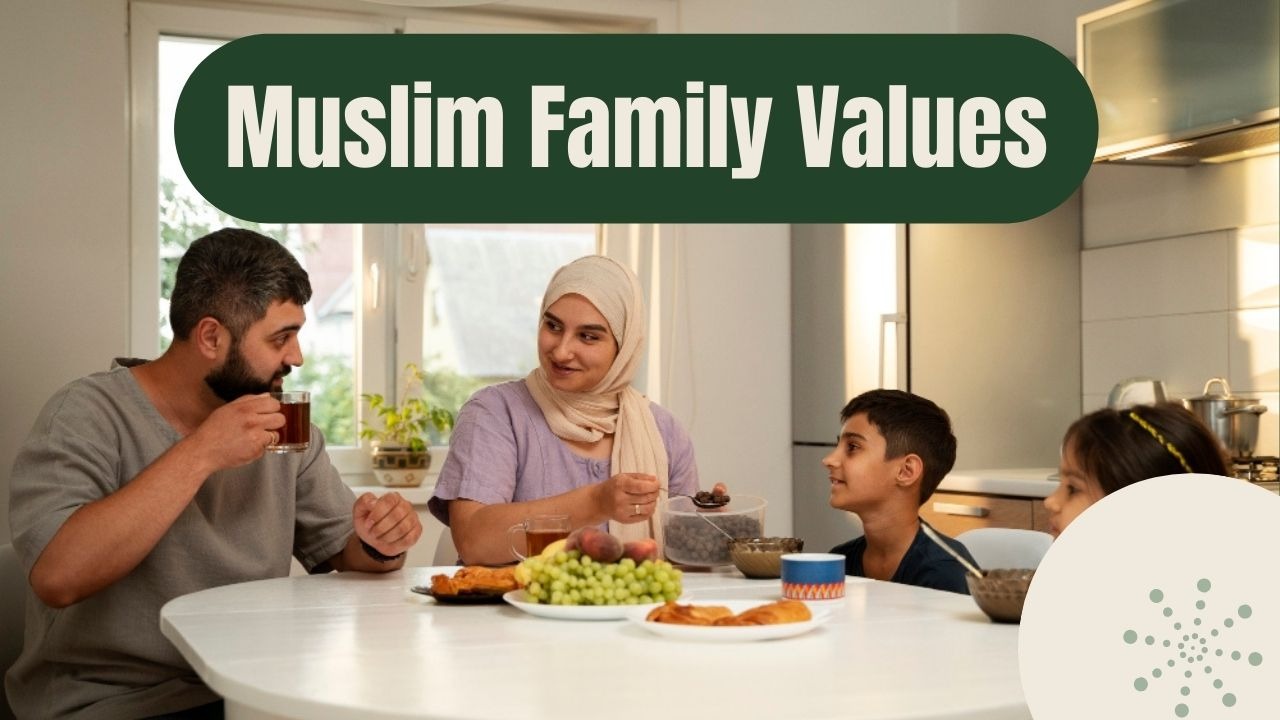
Faith plays an active role in shaping daily routines, decisions, and attitudes within the household. Prayer, ethical conduct, and remembrance of God create an environment of awareness and discipline that extends beyond ritual worship. Parents often act as moral examples, demonstrating patience, honesty, and kindness in their actions. Through consistent practice, children learn that faith is not limited to religious spaces but is woven into everyday behavior. This lived spirituality strengthens trust and emotional security within the family unit.
Moral Education and Character Development
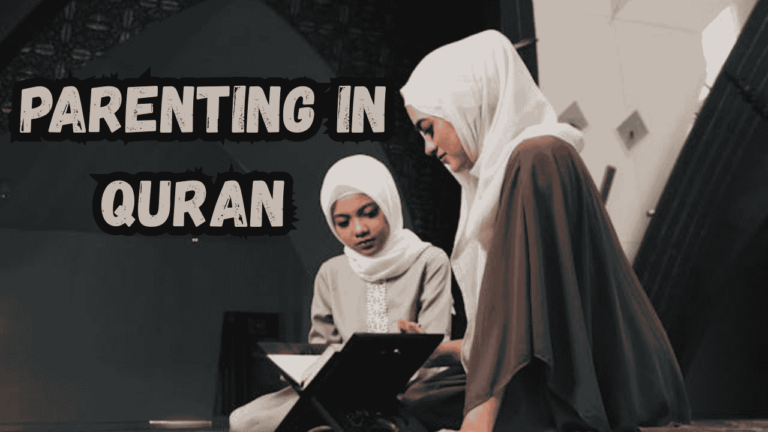
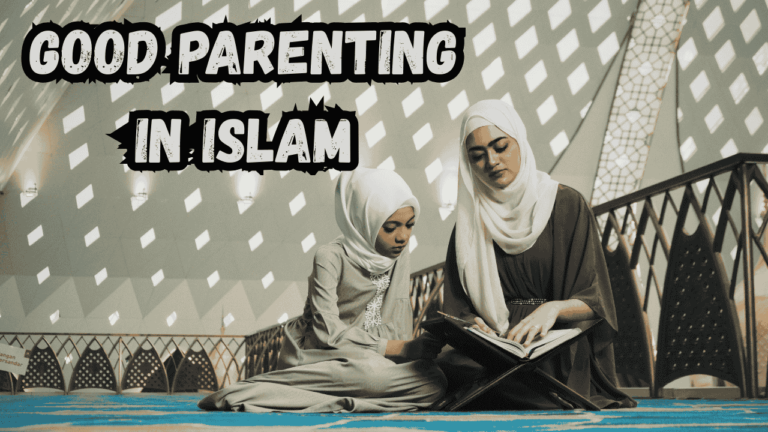
Moral upbringing remains a core element of family responsibility. Islamic teachings encourage parents to raise children with strong character, emphasizing truthfulness, humility, and empathy. Lessons are reinforced through storytelling, shared experiences, and gentle correction rather than harsh control. Over time, these practices help children develop a clear sense of right and wrong, preparing them to engage responsibly with wider society while remaining connected to their spiritual identity.
Tradition and Cultural Influence on Family Structure
Marriage and Family Responsibilities
Marriage is viewed as a partnership built on cooperation and shared duty rather than dominance. Spouses are encouraged to support one another emotionally and financially, creating balance within the household. Cultural customs may influence wedding practices or family roles, yet the underlying principles remain grounded in fairness and mutual respect. In many communities, extended family members play a supportive role, strengthening bonds across generations and offering guidance during important life decisions.
Parenting and Intergenerational Bonds
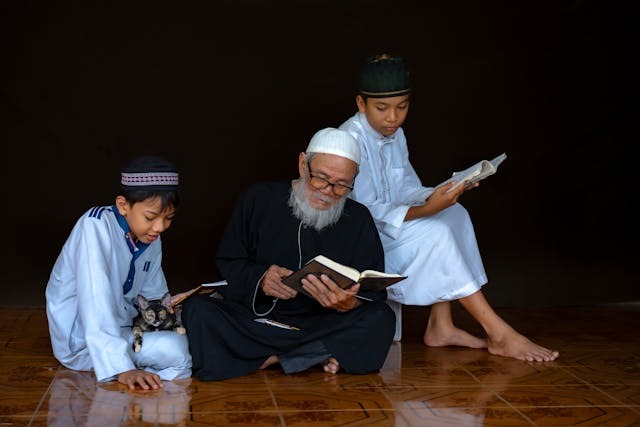
Strong connections between generations reflect one of the most enduring aspects of Muslim households. Elders are respected for their wisdom and experience, while younger members are cared for and guided with patience. This structure promotes continuity of values and preserves cultural heritage. Through storytelling and shared traditions, lessons from the past remain relevant, allowing families to adapt to change without losing their moral foundation.
Practical Principles That Shape Strong Households
To understand how Muslim family values operate in real life, it helps to examine the practical principles that guide everyday interactions. These principles translate belief into action and create stability within the home.
- Commitment to mutual respect and kind communication between all family members.
- Shared responsibility in managing household duties and supporting one another.
- Emphasis on moral accountability and ethical behavior in private and public life.
- Active involvement of parents in emotional and spiritual development of children.
- Regular reflection on faith to guide decision making and conflict resolution.
When practiced consistently, these principles encourage cooperation, reduce tension, and foster emotional well being. They also provide a clear framework for navigating challenges such as financial pressure, generational differences, or social change.
Benefits and Contemporary Challenges
The benefits of Muslim family values are evident in the sense of belonging, moral clarity, and emotional resilience they provide. Families guided by faith often show stronger bonds and clearer purpose, which supports mental and social stability. Children raised in such environments tend to develop respect for authority, empathy for others, and a strong work ethic.
At the same time, modern influences present challenges that require thoughtful adaptation. Changing social norms, digital distractions, and economic demands can strain family relationships. Balancing tradition with contemporary realities requires open dialogue and informed understanding. By applying timeless principles with flexibility, families can address these pressures without compromising their core beliefs.
Relevance in Modern Society
In today’s diverse and fast changing world, Muslim family values continue to offer practical guidance for maintaining harmony and ethical living. These values promote personal responsibility, community awareness, and compassion, qualities that remain universally relevant. When families consciously apply faith based guidance to modern situations, they create environments that support growth and resilience. Ultimately, Muslim family values serve as a living framework that connects faith, tradition, and practical life, helping households thrive while remaining true to their spiritual foundations.
Conclusion
Muslim family values remain deeply rooted in faith, tradition, and practical guidance that strengthens relationships across generations. Grounded in Islamic teachings, these values emphasize mutual respect, moral upbringing, shared responsibility, and emotional balance within the household. By blending spiritual principles with cultural wisdom, families are able to navigate modern challenges while preserving identity and harmony. In an evolving world, Muslim family values continue to offer timeless direction, promoting ethical living, strong family bonds, and social stability. When applied thoughtfully, Muslim family values help create nurturing homes built on compassion, trust, and long term wellbeing.